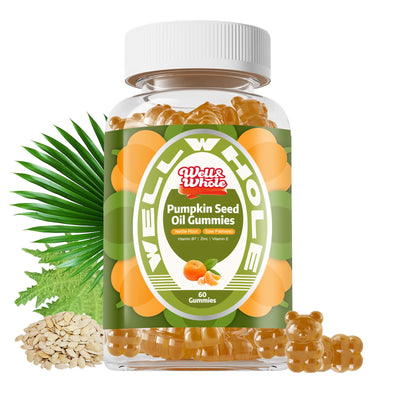
pumpkin seed oil for fast hair growth

Pumpkin Seed Oil For Fast Hair Growth: Does It Really Work?
As more people look for gentle, natural ways to support hair health, pumpkin seed oil has started to stand out. Many users say it helps with faster hair growth, reduced shedding, and overall hair density. For a health‑focused trading company like well&whole, understanding why customers are asking for pumpkin seed oil for hair is essential.
Below, we’ll look at how pumpkin seed oil may support hair growth, what the science suggests, how to use it effectively, and what to consider before making it part of your routine.
How Pumpkin Seed Oil May Support Hair Growth
Pumpkin seed oil is rich in nutrients that are closely linked to scalp and follicle health. It contains essential fatty acids, antioxidants, and plant compounds that may create a more favorable environment for hair to grow.
Key components include:
- Phytosterols that may help block DHT, a hormone strongly associated with pattern hair loss
- Vitamin E and other antioxidants that help protect follicles from oxidative stress
- Omega‑6 and omega‑9 fatty acids that support scalp barrier function and moisture balance
Some early research has suggested that oral pumpkin seed oil may improve hair count and thickness in certain types of thinning hair. While these studies are not conclusive, they are promising enough that many people now explore pumpkin seed oil for natural hair regrowth and supporting thinning hair in men and women.
Section summary: Pumpkin seed oil offers a combination of fatty acids, antioxidants, and phytosterols that may support hair growth by protecting follicles and influencing DHT. This makes it an appealing option for those looking into pumpkin seed oil for fast hair growth and natural remedies for thinning hair.
Topical vs. Oral Pumpkin Seed Oil For Hair
One of the most common questions is whether to apply pumpkin seed oil to the scalp or take it as a dietary supplement. Both methods target hair health in different ways.
Topical Use: Direct Scalp Support
When used topically, pumpkin seed oil can:
- Moisturize a dry or flaky scalp
- Provide a protective barrier that keeps the scalp more comfortable
- Deliver antioxidants and fatty acids directly to the skin surface
A typical approach is to massage a small amount of cold‑pressed pumpkin seed oil into the scalp, leave it on for 20–30 minutes (or overnight if tolerated), then wash it out with a mild shampoo. Some users mix it with other hair‑friendly oils like rosemary or jojoba.
While topical application feels intuitive, most of the published research on pumpkin seed oil and hair uses oral supplementation. Topical use is more about overall scalp comfort and support, which may indirectly promote a healthier growth environment.
Oral Use: Systemic Nutritional Support
Taken orally, pumpkin seed oil can act as a nutritional supplement. It may:
- Help modulate DHT through its phytosterol content
- Contribute to overall fatty acid intake
- Offer antioxidant support from vitamin E and other compounds
For a brand like well&whole, this is where quality and standardization matter. Customers looking for pumpkin seed oil capsules for hair growth will expect clear labeling, known dosage, and traceable sourcing.
Section summary: Topical pumpkin seed oil mainly supports scalp comfort, while oral pumpkin seed oil supplements may influence internal factors like DHT and oxidative stress. Combining both routes can appeal to users seeking holistic hair growth solutions and natural DHT blockers for hair loss.
How To Use Pumpkin Seed Oil Safely And Effectively
For those exploring pumpkin seed oil for hair, consistency and realistic expectations are crucial. Hair growth is slow by nature, and no natural product can deliver overnight results.
Suggested ways to use pumpkin seed oil:
- Oral supplements: Follow the dosage recommended on the product label or by your healthcare professional. Many formulas suggest daily use for several months before evaluating results.
- Scalp massage oil: Use a few drops, not handfuls. Gently massage the oil into the scalp to encourage circulation without irritating the skin.
- Blended formulas: Some consumers prefer products that combine pumpkin seed oil with biotin, zinc, or other hair‑supporting nutrients for a more complete approach.
Important considerations:
- Patch test first: Apply a small amount to a small area of skin to check for sensitivity before full‑scalp use.
- Monitor other medications: If you take prescription hair‑loss treatments or hormonal medications, discuss pumpkin seed oil with your doctor first.
- Give it time: Most people should evaluate any hair‑growth strategy over a period of 3–6 months.
For companies like well&whole, educating customers about realistic timelines, safe use, and what pumpkin seed oil can and cannot do builds trust and supports long‑term relationships.
Section summary: Pumpkin seed oil is best used consistently, with attention to dosage and scalp sensitivity. Setting realistic timelines and combining it with a generally healthy lifestyle makes it easier for users to benefit from pumpkin seed oil for hair regrowth and natural hair thickening strategies.
Who Might Benefit Most From Pumpkin Seed Oil?
Pumpkin seed oil is not a cure, but it may be particularly appealing to certain groups:
- People noticing early signs of thinning or shedding
- Individuals sensitive to harsher topical treatments
- Those who prefer plant‑based, nutritional approaches
- Consumers already focusing on wellness and preventive care
Because it supports general nutritional intake and scalp comfort, pumpkin seed oil fits naturally into broader hair‑care routines. It can be combined with gentle shampoos, reduced heat styling, and balanced nutrition.
For a health‑oriented trading company, positioning pumpkin seed oil within a wider hair‑wellness portfolio helps customers see it as part of a system, not a miracle fix. This can include nutritional supplements for hair growth, lifestyle guidance, and information on when to consult a professional for persistent or sudden hair loss.
Section summary: Pumpkin seed oil best suits users in the early stages of thinning or those seeking a gentle, nutritional approach. It works well when integrated into broader hair wellness routines and natural hair growth supplement programs.
Choosing A Quality Pumpkin Seed Oil Product
Not all pumpkin seed oil is the same, and quality directly affects user experience and trust.
Key points when evaluating products:
- Source and processing: Cold‑pressed, minimally processed oil helps preserve natural nutrients.
- Purity: Look for clear ingredient lists with minimal additives.
- Standardization and testing: Brands that test for purity and contaminants offer greater reassurance.
- Transparency: Traceable sourcing and honest labeling support repeat purchases and word‑of‑mouth recommendations.
At well&whole, the focus is on health‑oriented products where sourcing, consistency, and clear documentation matter. For hair‑support formulas containing pumpkin seed oil, that means working with suppliers who understand both cosmetic and nutritional quality standards.
Section summary: High‑quality pumpkin seed oil products emphasize cold‑pressed extraction, purity, and transparent testing, which helps users searching for premium pumpkin seed oil for hair and trusted natural hair growth supplements feel more confident about what they are buying.
FAQ
1. How long does pumpkin seed oil take to show results for hair growth?
Most users should allow at least 3–6 months of consistent use, whether oral or topical, before judging results. Hair grows slowly, and any supportive strategy, including pumpkin seed oil, works gradually rather than instantly.
2. Can pumpkin seed oil completely stop hair loss?
No single natural ingredient can guarantee a stop to all hair loss. Pumpkin seed oil may support healthier follicles and help in some forms of thinning, but factors like genetics, hormones, nutrition, and medical conditions still play major roles. Persistent or sudden hair loss should be discussed with a healthcare professional.
3. Is pumpkin seed oil safe for everyone to use?
Most people tolerate pumpkin seed oil well, especially when used as directed. However, anyone with seed allergies, underlying health conditions, or those taking medication for hormones or hair loss should talk to a healthcare provider first, particularly before starting high‑dose oral supplements.
These statements have not been evaluated by the Food and Drug Administration. This product is not intended to diagnose, treat, cure, or prevent any disease.