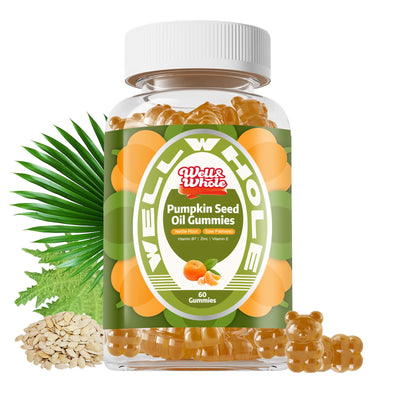
pumpkin seed oil dosage for hair growth

Pumpkin Seed Oil Dosage for Hair Growth: What Really Works?
As more people look for natural ways to support thicker, stronger hair, pumpkin seed oil has quietly become a favorite ingredient in the hair‑care world. For a health supplement trading company like well&whole, it’s not enough to say that pumpkin seed oil “works” – customers want to know how much to take, how to use it, and how long it takes to see results. That’s where getting the pumpkin seed oil dosage for hair growth right really matters.
Below, we’ll break down how pumpkin seed oil may support hair health, the typical dosages used, and how to integrate it safely into your routine while keeping an eye on long‑term hair wellness.
How Pumpkin Seed Oil May Support Hair Growth
Researchers believe pumpkin seed oil supports hair growth mainly through two mechanisms: hormone balance and scalp nourishment.
- Pumpkin seed oil contains plant compounds (phytosterols) that may help inhibit 5‑alpha‑reductase, the enzyme that converts testosterone into DHT, a hormone linked to pattern hair loss in both men and women.
- It’s rich in essential fatty acids, vitamin E, and antioxidants that can help support scalp health, which is crucial for maintaining strong hair follicles.
In several small human studies, people taking pumpkin seed oil orally reported increased hair count and hair thickness over several months compared with a placebo. While research is still limited, the results are promising enough that many nutritionists and wellness brands now include pumpkin seed oil in their hair support formulas.
From a practical point of view, this means pumpkin seed oil is best seen as a long‑term, supportive supplement, not a quick fix. When taken consistently at an appropriate dosage, it may help:
- Support healthier hair density
- Reduce excessive shedding in some individuals
- Improve the look and feel of dry, brittle hair
In summary, pumpkin seed oil appears to support hair growth by addressing both internal hormone balance and external scalp health, making it a useful natural option among supplements for hair growth and thickness, particularly when used as part of a broader natural hair growth supplement routine.
Recommended Pumpkin Seed Oil Dosage for Hair Growth
When it comes to pumpkin seed oil dosage for hair growth, there isn’t a single official guideline, but there is a clear pattern in existing research and in real‑world use.
Most oral supplement protocols fall into this range:
- Daily dosage: 400–1,000 mg per day of pumpkin seed oil, usually in softgel or capsule form
- Common split: 500 mg once per day, or 500 mg twice per day with meals
- Duration: At least 3–6 months of continuous use before you judge results
Some clinical trials on men with pattern hair loss used around 400 mg per day and still reported visible improvements in hair count and hair thickness over several months. Others have gone slightly higher, up to 1,000 mg per day, especially when pumpkin seed oil is one ingredient among several in a hair support formula.
A reasonable approach for most adults is:
- Start at 500 mg per day with food
- Monitor how you feel for 2–4 weeks
- If tolerated well and approved by your healthcare provider, increase to 500 mg twice daily (1,000 mg total) if you want a more intensive regimen
Always consider body weight, overall health, and other supplements you’re already taking. If you are on medication, especially hormonal or blood‑thinning drugs, speak with a healthcare professional first to avoid interactions.
To sum up, an effective pumpkin seed oil dosage for hair growth typically sits between 400–1,000 mg daily, taken consistently over several months, which aligns well with many natural remedies for thinning hair, especially when you aim to support hair growth and scalp health naturally rather than chase instant results.
How to Take Pumpkin Seed Oil: Capsules vs. Liquid vs. Topical Use
Pumpkin seed oil comes in several forms, and each has its own advantages for hair care and regrowth.
Oral Capsules or Softgels
This is the most common way to use pumpkin seed oil for hair:
- Dose control: Capsules labeled with 500 mg or 1,000 mg make it easy to manage your daily intake.
- Convenience: Easy to fit into a morning or evening supplement routine.
- Consistency: Internal use supports hair from the inside out, complementing other nutrients like biotin, zinc, and B vitamins.
A brand like well&whole may combine pumpkin seed oil with other hair‑supportive ingredients so that a single daily serving covers multiple bases for your hair and scalp.
Liquid Pumpkin Seed Oil
Cold‑pressed pumpkin seed oil in liquid form can be taken by the teaspoon or used in food:
- Typical oral dose is ½–1 teaspoon (about 1.5–3 g of oil) per day, depending on the product strength.
- It can be drizzled over salads or mixed into smoothies to integrate smoothly into your diet.
- Make sure you choose an oil that is clearly labeled as food‑grade and stored in a dark bottle away from heat.
Topical Scalp Application
Some people also apply pumpkin seed oil directly to the scalp:
- Massage a small amount into the scalp 1–3 times per week.
- Leave on for at least 30 minutes before washing, or use as an overnight scalp treatment.
- Combine with other hair‑friendly oils like rosemary or jojoba if you tolerate them well.
Topical use focuses on local circulation and scalp conditioning, while oral use targets internal hormonal and nutritional support. Many users choose to combine both.
Overall, choosing between capsules, liquid oil, and topical application depends on your lifestyle and comfort, but using pumpkin seed oil consistently is what matters most, especially if you’re building a hair growth routine with natural oils and looking for non‑pharmaceutical options for hair loss support.
Safety, Side Effects, and Who Should Be Careful
Pumpkin seed oil is generally considered well tolerated for most healthy adults, especially at dosages commonly used for hair and prostate support. That said, it’s still a concentrated nutrient source, and a few precautions are wise.
Potential issues to watch for:
- Mild digestive discomfort if taken on an empty stomach
- Possible sensitivity or allergic reactions in individuals who are already sensitive to pumpkin or related seeds
- Extra calorie intake from higher liquid doses, which may matter if you are closely managing weight
Those who should exercise caution or seek medical advice first include:
- People taking blood‑thinning medication or hormone‑related drugs
- Anyone with chronic liver, kidney, or serious metabolic conditions
- Pregnant or breastfeeding women, due to limited research on high‑dose supplemental use
Choosing a reputable brand is just as important as choosing a dosage. well&whole, as a health supplement trading company, focuses on sourcing from manufacturers who provide third‑party testing, clean ingredient lists, and stable, properly stored oils to help ensure both safety and potency over shelf life.
In conclusion, pumpkin seed oil is typically safe at moderate daily doses, but it should be used thoughtfully and with professional guidance where needed, especially if you are combining it with other hair growth supplements for women and men or following a broader holistic hair loss treatment plan.
How Long Until You See Results?
One of the biggest misconceptions about pumpkin seed oil for hair growth is timing. Hair grows slowly, usually about 1–1.5 cm per month, and follicle cycles run over many months. That means any supplement, no matter how promising, needs time.
Realistic expectations:
- Some people notice less shedding within 6–8 weeks.
- Visible changes in thickness and coverage usually take 3–6 months.
- The best results often come when pumpkin seed oil is part of a comprehensive hair health plan that includes nutrition, stress management, and gentle hair care.
Track your progress with photos every 4–6 weeks under similar lighting rather than checking daily in the mirror. This gives you a more objective view of changes over time.
To wrap up, treat pumpkin seed oil as a long‑term investment in hair health, not a quick cure – consistency, patience, and a realistic timeframe of several months are essential, especially if your goal is gradual hair regrowth with natural supplements and maintaining long‑term scalp and follicle health.
FAQ: Pumpkin Seed Oil for Hair Growth
-
How much pumpkin seed oil should I take daily for hair growth?
Most adults use 400–1,000 mg per day in capsule form, often split into one or two doses with meals. Always follow the product label and ask a healthcare professional if you have medical conditions or take medication. -
Can I use pumpkin seed oil on my scalp and take it orally at the same time?
Yes. Many people combine oral pumpkin seed oil supplements with topical scalp application. Oral use supports internal hormone balance and nutrition, while topical use mainly helps with scalp conditioning and local circulation. -
Is pumpkin seed oil enough on its own to stop hair loss?
For most people, no single ingredient completely stops hair loss. Pumpkin seed oil is best used as part of a broader hair support strategy that may include other nutrients, lifestyle changes, and medical treatments where appropriate. Brands like well&whole often include pumpkin seed oil within multi‑ingredient formulas designed to support overall hair and scalp health.
These statements have not been evaluated by the Food and Drug Administration. This product is not intended to diagnose, treat, cure, or prevent any disease.