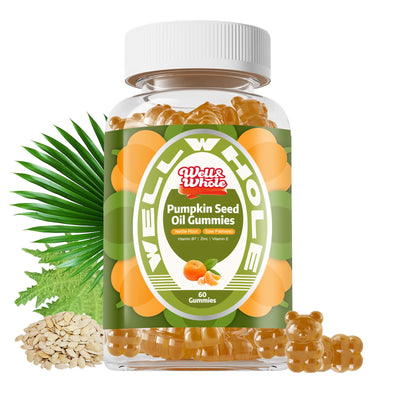
Pumpkin Seed Oil and Saw Palmetto for Natural Hair Support

When people start to notice more hair in the shower drain or a thinning part line, they often look for options that feel gentle, science‑based, and long term. Among the most talked‑about natural solutions, pumpkin seed oil and saw palmetto stand out for their potential to support healthy hair growth, especially in adults concerned about age‑related hair thinning. As a nutrition‑focused trade company, well&whole works closely with partners who want to understand how these ingredients may fit into a broader hair wellness strategy.
How Pumpkin Seed Oil May Support Hair Follicles
Pumpkin seed oil is rich in essential fatty acids, antioxidants, vitamin E, and plant sterols. These nutrients are often highlighted for scalp and hair health. One key interest around pumpkin seed oil is its potential to influence the hormone pathway associated with pattern hair thinning in men and women.
Many researchers focus on dihydrotestosterone (DHT), a hormone that can contribute to shrinking hair follicles in genetically predisposed individuals. Early studies suggest that pumpkin seed oil may have a mild 5‑alpha‑reductase–inhibiting effect, meaning it could help reduce the conversion of testosterone into DHT. While the evidence is still developing and not conclusive, this mechanism is one reason pumpkin seed oil for hair growth has drawn attention.
Beyond hormones, pumpkin seed oil may also support hair by:
- Helping maintain a healthy scalp barrier thanks to its fatty acid profile
- Providing antioxidants that help neutralize free radicals
- Supporting overall shine and hair texture when used consistently
For brands and formulators, incorporating cold‑pressed, high‑quality pumpkin seed oil into dietary supplements for hair health can appeal to consumers looking for plant‑based hair growth support and a more holistic routine. However, it is important to communicate that individual responses vary, and hair health depends on multiple factors, including genetics, stress, diet, and overall lifestyle.
In short, pumpkin seed oil offers a promising, naturally derived option for people who want gentler support for hair thickness and scalp health, especially when positioned around long‑tail interests such as “pumpkin seed oil for thinning hair” and “natural alternatives for male pattern hair loss.”
Saw Palmetto and Its Role in Hormone‑Related Hair Thinning
Saw palmetto, derived from the berries of the Serenoa repens plant, is another well‑known botanical when it comes to hair loss prevention supplements. Like pumpkin seed oil, saw palmetto is often discussed in the context of DHT and hair follicle health.
Researchers believe saw palmetto may:
- Help block 5‑alpha‑reductase, the enzyme that produces DHT
- Support a healthier environment around the hair follicle
- Provide fatty acids and phytosterols relevant to men’s and women’s wellness
Many consumers first learn about saw palmetto for hair growth when they search for options other than conventional hair loss drugs. They are often drawn to the idea of a botanical DHT blocker, even though the existing human data is still limited and not as strong as pharmaceutical studies. For a responsible brand, it becomes crucial to strike a balance: clearly present the potential benefits while avoiding overstated promises.
From a formulation perspective, saw palmetto is available as standardized extracts in softgels, capsules, and liquid formulations. Quality sourcing, extraction methods, and standardization levels matter greatly for consistent results. A trade partner like well&whole typically prioritizes traceability and documentation to help downstream brands build trust with their own customers.
Overall, saw palmetto can play a complementary role in hair wellness formulas, particularly for consumers searching for “saw palmetto DHT blocker for hair” or “natural remedies for androgenic alopecia,” as long as expectations remain realistic and science‑aligned.
Synergy: Combining Pumpkin Seed Oil and Saw Palmetto
When discussing pumpkin seed oil and saw palmetto for hair growth, many formulators are interested in the idea of synergy. While robust clinical data on the combination is still emerging, there are some logical reasons the pairing has become popular in hair support supplements:
- Overlapping hormone pathways: Both ingredients are thought to interact with the DHT pathway, potentially offering a complementary effect.
- Nutrient diversity: Pumpkin seed oil contributes essential fatty acids and antioxidants, while saw palmetto contributes specific phytosterols and fatty acids with a different profile.
- Consumer perception: Many customers see a blend as more comprehensive than a single‑ingredient product.
From the perspective of a hair growth supplement manufacturer, combining these botanicals allows for multi‑angle support: addressing potential hormone‑related mechanisms while also nourishing the scalp and hair shafts from within. Some formulations pair them with additional nutrients such as biotin, zinc, or B vitamins, though these should be dosed responsibly and supported by safety data.
However, not everyone will respond the same way. Genetics, nutrient status, and ongoing lifestyle factors will always play a role. Moreover, anyone with underlying health conditions or those who take medications should consult a healthcare provider before starting any new supplement, especially those that may influence hormone pathways.
In practical terms, a thoughtfully designed formula that unites pumpkin seed oil and saw palmetto can speak directly to long‑tail consumer interests such as “best natural DHT blockers for hair growth” and “pumpkin seed oil and saw palmetto capsules for hair thickening,” while still aligning with a responsible, science‑aware messaging strategy.
How well&whole Approaches Quality and Transparency
As a health‑focused trade company, well&whole collaborates with brands that want more than just trendy ingredients. Our partners often ask: What makes a pumpkin seed oil and saw palmetto supplement trustworthy? The answer goes beyond the label claims.
Key elements that matter in this category include:
- Source and purity: Oils and extracts should be tested for contaminants, including heavy metals and residual solvents.
- Standardization: For saw palmetto, consistent levels of active fatty acids and sterols help ensure batch‑to‑batch reliability.
- Stability and packaging: Pumpkin seed oil is sensitive to oxidation, so choices around encapsulation and packaging directly affect quality.
- Regulatory alignment: Transparent documentation and compliance with regional standards support long‑term brand credibility.
By focusing on these fundamentals, well&whole aims to help partners bring hair growth supplements with pumpkin seed oil and saw palmetto to market that consumers can feel confident taking over the long term. Rather than chasing short‑term trends, we encourage brands to invest in education, realistic claims, and clear usage guidelines.
In the end, aligning ingredient science, quality control, and honest communication is what helps a hair health formula stand out for people searching for terms like “premium hair growth vitamins with saw palmetto” and “high‑quality pumpkin seed oil softgels for hair support.”
Integrating Natural Hair Support Into a Daily Routine
Even the most advanced supplement formula works best as part of a broader approach to wellness. People interested in pumpkin seed oil and saw palmetto for hair often benefit from looking at the bigger picture, including diet, stress, and topical care.
Helpful considerations may include:
- Maintaining a balanced diet rich in protein, iron, zinc, and vitamins
- Managing stress through sleep hygiene, movement, or mindfulness practices
- Using gentle hair care products that do not irritate the scalp
- Tracking changes over time, since hair growth cycles can span several months
For brands and retailers, providing clear guidance around realistic timelines is important. Customers may need 3–6 months of consistent use before evaluating whether a supplement supports their goals. Structured information, such as when to take capsules, whether to combine with other nutrients, and when to seek professional medical advice, can greatly improve the user experience.
When combined with healthy habits and professional guidance where needed, supplements containing pumpkin seed oil and saw palmetto can become part of a long‑term routine for those researching “natural hair thickening supplements,” “holistic hair loss support for adults,” and similar long‑tail queries.
FAQ
-
How long does it take to see results from pumpkin seed oil and saw palmetto for hair?
Most users are encouraged to allow at least 3–6 months of consistent use before assessing changes, because hair grows in cycles. Results vary and are not guaranteed, especially when genetic factors play a strong role. -
Can women use supplements with pumpkin seed oil and saw palmetto?
Many formulas are marketed for both men and women, but anyone who is pregnant, breastfeeding, has hormone‑related conditions, or is taking medication should talk with a healthcare professional before using these ingredients. -
Are pumpkin seed oil and saw palmetto enough on their own to stop hair loss?
No single ingredient can guarantee the prevention of hair loss. These botanicals may offer supportive benefits for some people, but overall hair health also depends on genetics, medical conditions, diet, stress, and proper clinical evaluation when hair loss is sudden or severe.
These statements have not been evaluated by the Food and Drug Administration. This product is not intended to diagnose, treat, cure, or prevent any disease.