pumpkin seed oil and rosemary oil for hair growth reddit

Pumpkin Seed Oil and Rosemary Oil for Thicker, Healthier Hair
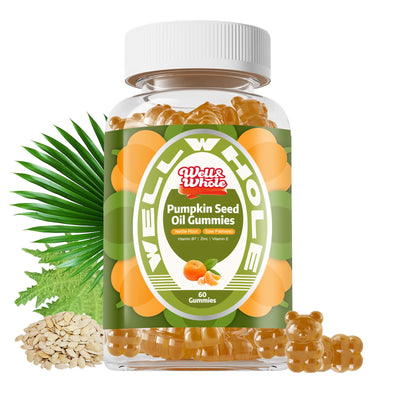
If you spend any time looking up natural remedies for bald spots or thinning hair, you’ve probably seen people asking about pumpkin seed oil and rosemary oil for hair growth on Reddit and other forums. Behind the hype, there is a simple idea: give the scalp the nutrients and stimulation it needs so hair can grow stronger and stay in the growth phase longer. As a health-focused trading company, well&whole pays close attention to this kind of ingredient because it sits right at the crossroads of traditional use and emerging science.
Below is a clear, research‑informed look at how pumpkin seed oil and rosemary oil may support hair growth, how people actually use them, and what to keep in mind if you’re considering these natural options.
How Pumpkin Seed Oil May Support Hair Growth
Pumpkin seed oil is naturally rich in plant sterols, vitamin E, and essential fatty acids. These nutrients help in two main ways: by supporting scalp health from the inside and by potentially influencing hormones related to hair loss.
Some studies suggest that pumpkin seed oil may have a mild blocking effect on DHT (dihydrotestosterone), a key hormone involved in male-pattern and female-pattern hair thinning. While the research is still limited, this possible DHT-modulating action is one reason many people now look for pumpkin seed oil supplements for hair loss instead of jumping straight to aggressive treatments.
When taken as a dietary supplement or used as a carrier oil for scalp massage, pumpkin seed oil may:
- Help maintain a healthier scalp barrier thanks to its fatty acids
- Provide antioxidant support, which may reduce oxidative stress around the hair follicles
- Offer a gentle, long-term approach for people exploring natural DHT blockers for hair growth
On Reddit, users often mention that they notice slower shedding and slightly thicker strands after several months of consistent use. These are personal experiences, not clinical proof, but they are fairly consistent anecdotes.
Section takeaway: Pumpkin seed oil is not a magic cure, but it may fit well into a long-term routine aimed at reducing shedding and supporting a healthier scalp, especially for those searching for pumpkin seed oil capsules for thinning hair and similar options.
Why Rosemary Oil Is Trending in Hair-Care Communities
Rosemary essential oil has become a staple recommendation in hair-care threads, including the many rosemary oil for hair growth Reddit discussions. Its popularity isn’t just based on tradition; there is a growing body of data and a lot of real‑world feedback behind it.
Properly diluted rosemary oil may:
- Stimulate micro‑circulation on the scalp through massage
- Provide antioxidant and mild anti‑inflammatory support
- Create a fresher, cleaner scalp environment by reducing excess oil and buildup
Some research has compared rosemary oil to common topical hair treatments over several months and reported similar improvements in hair count, with fewer complaints about itchiness. That doesn’t mean rosemary oil replaces medical treatment, but it does suggest it can be a useful part of a scalp‑care plan.
People typically add a few drops of rosemary essential oil to a carrier oil (such as pumpkin seed oil, jojoba, or grapeseed oil) and massage it into the scalp several times per week. This approach is often mentioned alongside natural alternatives to minoxidil and other over‑the‑counter products.
Section takeaway: Rosemary oil stands out because it supports circulation and scalp comfort, which may contribute to thicker‑looking hair over time. For those searching long-tail queries like how to use rosemary oil for hair regrowth or best rosemary oil for thinning hair, the key themes are dilution, consistency, and patience.
Combining Pumpkin Seed Oil and Rosemary Oil in a Routine
Many community discussions now focus on using pumpkin seed oil and rosemary oil together, often inspired by user experiences shared in hair growth Reddit threads. From a practical perspective, the combination makes sense: pumpkin seed oil serves as a nourishing base, while rosemary essential oil adds stimulation and antioxidant power.
A simple at‑home routine could look like this:
- Choose a high‑quality, cold‑pressed pumpkin seed oil as your base.
- Add a few drops of rosemary essential oil per tablespoon of pumpkin seed oil to ensure proper dilution.
- Gently massage the mixture into the scalp for several minutes to encourage absorption and circulation.
- Leave it on for at least 30–60 minutes, or overnight if your scalp tolerates oils well, then wash out with a mild shampoo.
From the perspective of a company like well&whole, which focuses on health ingredients and supplements, this kind of routine fits people who prefer a gradual, holistic approach to hair care rather than quick fixes. It also pairs well with internal support, such as a balanced diet and stress management, both of which affect hair quality.
Users who follow this type of regimen and track their progress often report:
- Reduced daily shedding after several months
- Improved shine and softness
- A fuller appearance around the hairline or part
It’s important to remember that individual response varies, especially in conditions like genetic baldness or hormone‑related thinning.
Section takeaway: The combination of pumpkin seed oil and rosemary oil offers a layered strategy: nutritional support from the carrier oil plus targeted stimulation from the essential oil. This resonates with long‑tail interests like DIY pumpkin seed and rosemary oil hair growth recipes and scalp massage routine for hair regrowth.
Realistic Expectations and Safety Considerations
Even when ingredients are natural, it’s important to set realistic expectations and use them safely. Not everyone will get dramatic regrowth from oils alone, and some forms of hair loss require medical attention.
Keep the following points in mind:
- Time frame: Hair growth cycles are slow. Any change, whether from a supplement or a topical oil, usually takes at least 3–6 months of consistent use to evaluate.
- Patch testing: Essential oils can irritate the skin. Always dilute rosemary oil, and test a small area first to check for redness or itching.
- Underlying causes: If your hair loss is related to thyroid issues, nutritional deficiencies, medications, or autoimmune conditions, oils alone will not solve the problem. Professional guidance is crucial.
- Quality of products: Look for reliable sourcing, clear labeling, and, where possible, third‑party testing. This is a key focus at well&whole when selecting ingredients for our partners and clients.
For some people, pumpkin seed oil and rosemary oil will serve as supportive additions to a broader regimen that could include medical treatments, dietary changes, and stress management. For others, these oils may simply offer a pleasant scalp‑care ritual that helps maintain hair quality and comfort.
Section takeaway: Natural oils can support scalp health, but they work best when they are part of a comprehensive strategy. This perspective aligns well with detailed searches such as is rosemary and pumpkin seed oil safe for daily use and how long does natural hair growth treatment take.
How well&whole Looks at Natural Hair-Support Ingredients
As a health-product trading company, well&whole evaluates natural ingredients not only for traditional use but also for supply chain quality, consistency, and emerging scientific data. Pumpkin seed oil and rosemary oil are interesting to us because they sit in a space where user experience, preliminary research, and market demand overlap.
From our vantage point:
- Ingredient quality matters: Cold‑pressed pumpkin seed oil and carefully distilled rosemary oil maintain more of their naturally occurring compounds.
- Formulation matters: The right carrier oil, dilution percentage, and complementary ingredients can significantly influence how comfortable and effective a product feels on the scalp.
- Education matters: Consumers who understand realistic timelines and proper usage are more likely to be satisfied and to integrate these oils into sustainable routines.
Whether you source oils yourself or look for finished products inspired by this combination, the most important step is to choose thoughtful formulations backed by transparent sourcing and clear instructions.
Section takeaway: Companies like well&whole see pumpkin seed oil and rosemary oil as part of a broader move toward evidence‑informed natural care, which aligns with search interests such as science-backed natural hair growth supplements and trusted brands for hair loss support.
FAQ
-
How long does it take to see results from pumpkin seed oil and rosemary oil for hair growth?
Most people who report positive changes mention a window of 3–6 months of consistent use. Hair grows slowly, so early improvements are often reduced shedding or better texture rather than visible new growth. -
Can I use rosemary oil directly on my scalp without dilution?
It’s not recommended. Rosemary essential oil is highly concentrated and may cause irritation if applied directly. Always dilute it in a carrier oil such as pumpkin seed oil, and perform a patch test before using it more widely. -
Are these natural oils enough to treat serious hair loss on their own?
For mild shedding or early thinning, some people find noticeable support from consistent use of these oils. However, in cases of significant or sudden hair loss, or when there’s an underlying medical cause, they should be seen as supportive options, not sole treatments. Consulting a healthcare professional is important for a complete, personalized plan.
These statements have not been evaluated by the Food and Drug Administration. This product is not intended to diagnose, treat, cure, or prevent any disease.