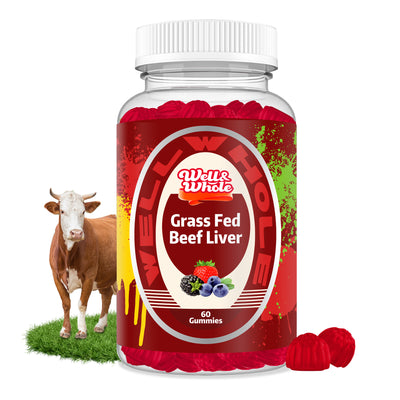
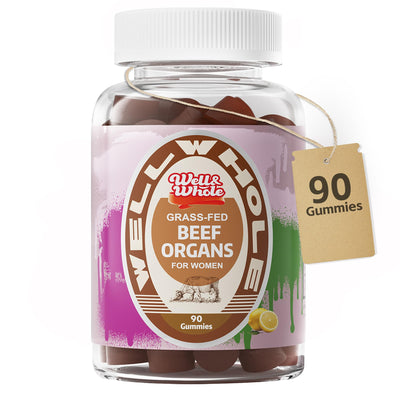
organic grass fed beef liver near me

Organic Grass Fed Beef Liver Near Me: The Ultimate Guide to Nutrient-Dense Superfood
If you’ve been searching for organic grass fed beef liver near me, you’re not alone. This nutrient-packed organ meat has gained serious traction among health-conscious consumers, fitness enthusiasts, and anyone looking to boost their micronutrient intake naturally. But finding a trustworthy source—whether at a local farm, butcher, or specialty store—can feel like a scavenger hunt. That’s why we’ve put together this practical guide to help you locate high-quality options, understand the benefits, and even consider convenient supplementation if fresh liver isn’t always accessible.
Why Organic Grass Fed Beef Liver Stands Out
Not all beef liver is created equal. Grass fed, organic beef liver comes from cattle that have been raised on pasture, eating a natural diet of grass and forage, without antibiotics or synthetic hormones. This difference matters because it directly affects the liver’s nutritional profile.
Higher Nutrient Density
According to the USDA FoodData Central, a 100-gram serving of beef liver provides approximately 7,000 IU of vitamin A, 70 mcg of vitamin B12, and 5 mg of iron. Grass fed liver tends to have even higher levels of beneficial omega-3 fatty acids and conjugated linoleic acid (CLA) compared to grain-fed liver. These nutrients support everything from immune function to energy metabolism.
Fewer Toxins
Liver acts as a filter in the animal’s body, but that doesn’t mean it’s toxic. In fact, healthy animals on a natural diet accumulate far fewer residues. Choosing organic grass fed beef liver minimizes your exposure to pesticides and growth promoters. A 2020 study published in Nutrients confirmed that organic livestock products contain significantly lower levels of heavy metals and persistent organic pollutants compared to conventional ones.
Taste and Texture
Many people who dislike the strong, metallic taste of conventional liver are surprised by the milder, cleaner flavor of grass fed liver. The texture is also smoother, making it easier to incorporate into recipes like liver pâté, meatballs, or even smoothies (when freeze-dried into powder).
Summary: Organic grass fed beef liver is superior in nutrient density, safety, and taste. Choosing pasture-raised, organic sources gives you the most benefit with the least risk.
How to Find “Organic Grass Fed Beef Liver Near Me”
The phrase organic grass fed beef liver near me is a common search query because local availability varies widely. Here’s a step-by-step approach to locating a reliable source.
1. Check Local Farmers’ Markets and CSAs
The most direct way to find fresh liver is to connect with farmers who raise grass fed cattle. Farmers’ markets often have vendors selling organ meats, and many offer custom orders. Community Supported Agriculture (CSA) programs sometimes include liver as an add-on. Ask the farmer directly about their grazing practices and whether they are certified organic.
2. Use Online Directories
Websites like EatWild, LocalHarvest, and RealMilk list farms that sell grass fed beef products, including liver. You can filter by your ZIP code and even read customer reviews. Some farms offer direct shipping, which solves the “near me” problem if local options are limited.
3. Speciality Butcher Shops and Health Food Stores
Butcher shops that focus on nose-to-tail eating often carry organic grass fed liver. Health-oriented grocery stores like Whole Foods, Sprouts, or co-ops also stock frozen liver from trusted brands. Be sure to read labels: look for “pasture-raised,” “grass fed,” and “organic” certifications.
4. Online Retailers as a Backup
If you can’t find organic grass fed beef liver near me, reputable online retailers offer frozen or freeze-dried liver. This is where well&whole comes in. We specialize in premium, organic grass fed beef liver supplements—perfect for those who want the benefits without the hassle of sourcing and preparing fresh liver. Our capsules are freeze-dried to preserve nutrients and third-party tested for purity.
Summary: Start with local farmers and butcher shops, then expand to online directories and retailers. For consistent quality and convenience, consider a trusted brand like well&whole.
Health Benefits of Beef Liver: Why It’s a Superfood
Beef liver is often called nature’s multivitamin, and for good reason. Here are the top evidence-backed benefits.
Boosts Energy and Combats Fatigue
Vitamin B12 is essential for red blood cell formation and nerve function. A deficiency can cause fatigue and brain fog. Just a small portion of organic grass fed beef liver provides several times the daily recommended intake of B12. A 2019 review in BMC Medicine highlighted that B12 supplementation significantly improved energy levels in deficient individuals.
Supports Immune Health
Vitamin A (retinol) from animal sources is more bioavailable than plant-based beta-carotene. It plays a key role in maintaining mucosal barriers and white blood cell activity. Additionally, liver is rich in zinc and copper, both critical for immune function. A 2021 study in Nutrients found that adequate zinc intake reduced the duration of common colds by 33%.
Enhances Detoxification Pathways
Ironically, eating liver can actually support your body’s natural detoxification processes. It contains glutathione, a master antioxidant, and copper needed for superoxide dismutase, an enzyme that neutralizes free radicals. The liver also provides choline, which helps the liver metabolize fats and remove waste.
Summary: Regular consumption of organic grass fed beef liver can improve energy, immunity, and detoxification. These benefits are backed by nutritional science.
When Fresh Isn’t Feasible: The Best Grass Fed Beef Liver Supplement Option
Not everyone has a local source of organic grass fed beef liver, and not everyone enjoys the taste or texture. That’s where the best grass fed beef liver supplement becomes a game-changer. Freeze-dried liver capsules retain virtually all the nutrients of fresh liver, minus the preparation time.
What to Look for in a Supplement
- Sourcing: Ensure the liver comes from organic, grass fed, pasture-raised cattle.
- Processing: Freeze-drying at low temperatures preserves enzymes and vitamins better than heat-drying.
- Testing: Look for third-party lab testing for purity, heavy metals, and potency.
- Form: Powder capsules are the most common; some brands offer tablets or liver powder for smoothies.
well&whole checks all those boxes. Our organic grass fed beef liver capsules are sourced from New Zealand and Australian farms that raise cattle on open pastures year-round. Each capsule contains 500 mg of pure liver, with no fillers or flow agents. We also test each batch for over 200 contaminants, so you get a safe, potent product.
How to Use It
Start with 3 capsules per day (or as directed on the label), which is roughly equivalent to a small serving of fresh liver. Many users report increased energy and mental clarity within two weeks. It’s a convenient way to reap the benefits of beef liver for energy without cooking.
Summary: When fresh liver is hard to find, a high-quality freeze-dried supplement like well&whole delivers identical nutritional benefits in an easy, tasteless format.
Frequently Asked Questions
1. Is organic grass fed beef liver better than conventional liver?
Yes. Organic grass fed liver has a superior nutrient profile, including higher omega-3s and CLA, and lower levels of toxins. It also tastes milder, making it easier to cook with. Always look for certified organic and grass fed labels.
2. Where can I buy organic grass fed beef liver near me?
Start by checking local farmers’ markets, health food stores, and custom butcher shops. Online directories like EatWild and LocalHarvest can help you find nearby farms. If nothing is close, consider ordering frozen liver online or switching to a freeze-dried supplement from a trusted brand like well&whole.
3. How much organic grass fed beef liver should I eat per week?
Because liver is so nutrient-dense, most experts recommend no more than 100–150 grams (about 3.5–5 ounces) per week to avoid excessive vitamin A intake. If you’re using supplements, follow the label instructions. Pregnant women should consult their doctor due to the high vitamin A content.
Sources: USDA FoodData Central (beef liver composition); Nutrients (2020) – organic vs conventional contaminants; BMC Medicine (2019) – B12 and fatigue; Nutrients (2021) – zinc and cold duration.
These statements have not been evaluated by the Food and Drug Administration. This product is not intended to diagnose, treat, cure, or prevent any disease.