Omega-3s for Skin: What the Research Actually Shows

Omega-3 fats support the skin from the inside by feeding its lipid barrier and dialing down inflammatory signaling, and controlled trials show modest improvements in dryness, redness, and some inflammatory skin conditions. They are a supporting player, though — sunscreen and a basic moisturizer still do more heavy lifting for how your complexion looks and ages.
Key takeaways
- EPA and DHA become part of skin cell membranes and are raw material for the body's own calming lipid messengers.
- The strongest trial evidence covers dryness, barrier function, and inflammatory conditions; wrinkle and anti-aging claims remain weak.
- General adult intake of 250–500 mg combined EPA plus DHA daily covers most benefits; algae oil works if you skip fish.
- Tell your doctor if you take blood-thinning medication before adding concentrated fish oil.
What omega-3s actually do in skin
Skin builds its outer barrier from lipids, and the fats you eat show up in that construction material. EPA and DHA work into cell membranes throughout the body, including the keratinocytes that form the skin's outer layers and the sebaceous glands that produce its natural oils. A more supple, better-built barrier loses less water, which is the difference between skin that feels comfortable and skin that feels tight and flaky by mid-afternoon. Omega-3s are also precursors for resolvins and protectins — signaling molecules the body uses to wind down inflammatory responses. That mechanism is why researchers kept testing them in inflammatory skin conditions long after the early observational work.
What the studies actually show
The honest summary: real effects, modest size, uneven coverage. Supplementation studies in women have reported improved barrier function and less water loss after several weeks of daily EPA-rich oil. Trials in people with psoriasis and atopic dermatitis have shown reductions in scaling and redness in some studies but not others, and dermatology guidelines treat omega-3s as a complementary approach rather than a primary one. For acne, the picture is genuinely mixed — a few small trials suggest benefit, others show little. Claims that fish oil erases wrinkles or replaces retinoids are not supported; studies looking at photoaging generally show no meaningful change. Treat any dramatic before-and-after marketing accordingly.
EPA, DHA, fish oil, or algae?
The two omega-3s that matter for skin are EPA and DHA, and they are not interchangeable. EPA is the stronger contributor to the inflammatory-resolution pathways, which is why most skin-focused trials used EPA-dominant oil. DHA is a larger structural component of membranes. Fish oil delivers both in ratios that vary by source; algae oil delivers DHA-rich oil and is the standard choice for people who avoid fish, with EPA usually present in smaller amounts. Fatty fish itself — salmon, sardines, mackerel — remains the most efficient package because it brings protein and vitamin D along. A practical target for general adult intake is 250–500 mg of combined EPA plus DHA per day, an amount two salmon dinners a week roughly covers.
Where omega-3s rank in a realistic skin routine
Rank the levers by evidence weight. Sunscreen first — UV exposure is the dominant driver of visible skin aging, and no supplement comes close to preventing it. A basic moisturizer second, because it directly patches the barrier omega-3s help build. Sleep, not smoking, and enough protein all sit above supplements too. Omega-3s then slot in as a reasonable, low-risk addition for people whose diets are low in fatty fish, alongside collagen peptides and other nutrients people try for skin support. If your diet already includes fish twice a week, an extra capsule is unlikely to change what you see in the mirror.
Reading the label: freshness and storage
Fish oil has an Achilles heel the marketing never mentions: it goes rancid. Polyunsaturated fats oxidize, and oxidized oil smells and tastes off long before it looks wrong. Buying sizes you finish within three months, storing the bottle cool and dark — the fridge is fine for most oils — and giving an open bottle a sniff test now and then covers most of it. Enteric-coated capsules deserve a skeptical eye too, since the coating exists to delay the fishy aftertaste, which is convenient for some people but can also mask oil that has already turned. Third-party testing seals such as IFOS or USP verify both purity and freshness, which matters more on this category than most.
Safety notes worth knowing
At general dietary doses omega-3s are well tolerated; the most common complaints are a fishy aftertaste and loose stools at higher amounts. Because EPA and DHA have mild blood-thinning effects, people taking anticoagulant or antiplatelet medication, or approaching surgery, should check with their doctor before using concentrated fish oil. Quality varies between brands, so look for third-party testing on the label.
Frequently asked questions
How long before omega-3s show up in my skin?
Membrane turnover means visible changes, if they come, take weeks. Trials that reported barrier improvements generally ran 8–12 weeks. Skin completely renews itself roughly every month, so any supplement trial deserves at least that long.
Can omega-3s help with eczema?
Some small trials in atopic dermatitis reported reduced scaling and itching, but results are inconsistent. They are best viewed as a complementary measure alongside the prescribed plan, not a substitute for it.
Do I need both EPA and DHA?
For general health and skin support, a combined EPA-plus-DHA target is the practical answer. EPA leans toward inflammatory-pathway work, DHA toward structure; whole fish and standard fish oil supply both naturally.
Is flaxseed a good substitute?
Flax provides ALA, which the body converts to EPA and DHA only at low single-digit percentages. It is a fine fat for the diet, but it is not an efficient direct substitute for fish or algae oil when a specific EPA and DHA target matters.
Related supplements
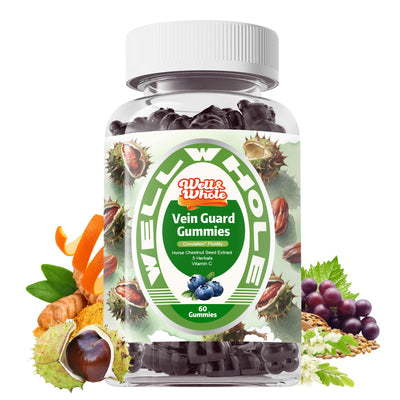
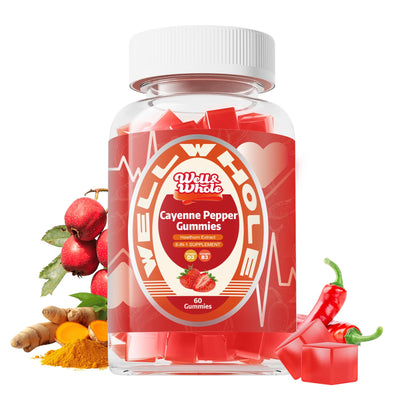
If you'd like to try it, Well&Whole Horse Chestnut Extract Gummies, Circulation Supplements for Legs and Cayenne Pepper Heart Health Gummies with Hawthorn & CoQ10 & Turmeric are the closest match to what we've covered here. Browse Heart Health and CoQ10 to see how the alternatives compare.
These statements have not been evaluated by the Food and Drug Administration. This product is not intended to diagnose, treat, cure, or prevent any disease. Talk to a healthcare professional before starting any new supplement, especially if you are pregnant, nursing, taking medication, or managing a health condition.