Omega-3 for Kids: How Much Do Children Actually Need?

Most pediatric guidelines recommend somewhere between 100 and 250 mg of combined EPA and DHA per day for children, depending on age, with the realistic caveat that food should come first. Children who eat two servings of fatty fish each week usually cover that need from diet. Children who do not, particularly picky eaters, may benefit from a child-formulated omega-3 supplement that pairs EPA and DHA in a form they will actually take.
The "more is better" instinct is misplaced with omega-3 in children. The goal is consistent, age-appropriate intake, not megadosing fat-soluble nutrients into a developing body.
What EPA and DHA actually do in a growing body
EPA and DHA are long-chain omega-3 fatty acids concentrated in cell membranes, particularly in the brain, retina, and immune cells. DHA is the dominant structural omega-3 in the developing brain, and adequate intake during early childhood and adolescence supports neurodevelopment, visual development, and inflammatory regulation. EPA contributes more to mood regulation, immune signaling, and the resolution of inflammation. The two are often paired in supplements because they work through overlapping but distinct mechanisms.
How much children actually need
Authoritative pediatric recommendations converge on these ranges:
- Ages 1–3: About 70–100 mg of combined EPA and DHA per day, often delivered through a small amount of fatty fish, fortified foods, or a low-dose liquid omega-3.
- Ages 4–8: 100–150 mg per day, achievable with one weekly serving of salmon or sardines plus occasional omega-3-rich foods.
- Ages 9–13: 150–250 mg per day, particularly important during the growth-spurt years and the start of puberty.
- Ages 14 and up: Adult levels (250–500 mg) become appropriate, especially for adolescents who do not eat fish.
Food first: what counts as a serving
A 30–60 g serving of fatty fish — salmon, sardines, mackerel, herring, anchovies — delivers 1,000–2,000 mg of combined EPA and DHA. Two such servings per week easily cover a child's full weekly need. For children who do not like fish, omega-3 also comes from ground flax, chia seeds, walnuts, and omega-3-enriched eggs, though plant sources deliver ALA rather than EPA and DHA, and the conversion rate from ALA is modest (typically under 10 percent). That is why the strongest evidence for visual and cognitive development is tied to preformed EPA and DHA, not plant ALA.
When a supplement makes sense
A child-formulated omega-3 supplement is reasonable when:
- The child consistently refuses fatty fish and eats few omega-3-enriched foods.
- The child follows a vegan or vegetarian diet that includes little DHA-fortified food.
- The child has a specific condition (diagnosed ADHD, certain learning concerns) where higher EPA/DHA has been studied and may help.
- The family wants a reliable daily intake independent of food variability.
Forms, dosing, and the "fish burp" problem
Three practical forms exist for children: liquid oils (with a measured dropper or small cup), chewable softgels, and gummies. Liquids deliver the most EPA and DHA per serving and the best value, but the taste can be a problem. Chewable softgels that burst in the mouth are a good middle ground. Gummies are the easiest to administer but deliver the least omega-3 per piece and often contain added sugar, so check the actual EPA plus DHA per serving on the label rather than the total fish oil weight. Refrigerating the bottle and giving the dose with food both reduce the "fishy burp" that some children complain about.
Quality and safety markers
Choose a product that publishes third-party testing for heavy metals (mercury, lead, cadmium, arsenic) and oxidation markers (TOTOX or peroxide values). Reputable pediatric omega-3 brands display IFOS or similar third-party seals. Avoid products that do not specify the actual EPA and DHA content per serving — "fish oil 500 mg" on the front of the bottle can mean as little as 150 mg of actual EPA plus DHA.
What good pediatric nutrition still looks like
Omega-3 fits inside a broader pattern of nutrient adequacy. A child whose diet is broadly varied, with regular fish servings, leafy greens, berries, and adequate protein, does not need a long list of supplements. Where omega-3 is genuinely useful is as a single targeted nutrient for children whose diet does not reliably cover it. Pair the supplement with continued efforts to introduce fatty fish and omega-3-rich foods so the supplement is a bridge, not a permanent crutch.
Key takeaways
- Most children need 100–250 mg of combined EPA and DHA per day, depending on age.
- Two weekly servings of fatty fish cover that need for most children.
- Choose a child-formulated product that lists actual EPA plus DHA per serving.
- Liquids deliver the most omega-3 per dose, gummies the least.
- Look for third-party testing for heavy metals and oxidation.
Frequently asked questions
At what age can a child start taking an omega-3 supplement?
Most pediatric omega-3 products are formulated for ages 1–2 and up, with infant-specific drops available for younger babies. Always follow the label's age guidance and pediatric clinician's recommendation.
Are plant-based omega-3 sources enough for a child?
Plant ALA from flax, chia, and walnuts is useful but converts to EPA and DHA at low rates in children. For a child who does not eat fish, an algae-derived DHA supplement is the most reliable vegan option.
Can omega-3 help with ADHD or focus issues?
Some trials in children with diagnosed ADHD show modest improvements in attention and behavior with higher EPA-predominant omega-3 doses. For typically developing children, the evidence is thinner, and omega-3 is best understood as one piece of a broader plan rather than a focus aid.
How long before I see any effect?
Cell membrane incorporation of EPA and DHA takes 8–12 weeks of consistent use. Improvements in mood, attention, or skin health, where they occur, are typically noticed over that window rather than within the first few days.
Related supplements
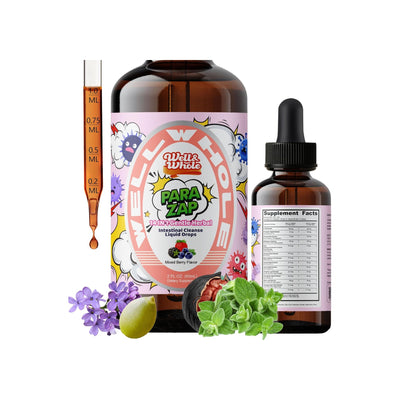
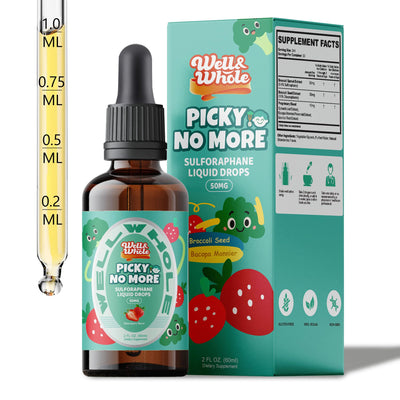
Should you decide to supplement, Kids’ Black Walnut Digestive Support Drops, 14-in-1 Herbal Formula, Mixed Berry, Ages 1+, 2 fl oz and Sulforaphane Broccoli Supplement Liquid Drops for Kids with Sulforaphane, Glucoraphanin, Bacopa Monnieri are our formulation for this purpose. For a broader comparison, see the Immune Support and Digestive Support collections.
These statements have not been evaluated by the Food and Drug Administration. This product is not intended to diagnose, treat, cure, or prevent any disease. Talk to a healthcare professional before starting any new supplement, especially if you are pregnant, nursing, taking medication, or managing a health condition.
These statements have not been evaluated by the Food and Drug Administration. This product is not intended to diagnose, treat, cure, or prevent any disease.