Olive Oil and Heart Health: What the Evidence Shows

Olive oil has the strongest dietary-trial evidence of any single fat for cardiovascular health. In a large randomized trial, people at elevated risk who followed a Mediterranean eating pattern supplemented with extra virgin olive oil had roughly 30 percent fewer major cardiovascular events over about five years than a control group advised to cut back on all fat.
Key takeaways
- Extra virgin olive oil combines monounsaturated fat with polyphenols that most refined oils lose in processing.
- The strongest evidence comes from the PREDIMED trial, where major cardiovascular events fell about 30 percent.
- Modest improvements in blood pressure and cholesterol markers have been reported across trials and reviews.
- A practical daily amount is about one and a half to two tablespoons, used in place of saturated fats.
- The benefit comes from substitution, not addition; pouring oil on top of an unchanged diet adds calories, not protection.
What makes olive oil different from other fats
Roughly three quarters of olive oil's fat is monounsaturated, the same category praised in avocados and almonds. What separates the extra virgin grade is what survives alongside the fat: polyphenols such as oleocanthal and oleuropein, compounds with antioxidant activity that are largely stripped away when oil is refined. That peppery tickle at the back of the throat in a fresh bottle is the polyphenols announcing themselves.
What the trials actually show
The PREDIMED study, a multicenter randomized trial in Spain, assigned adults at high cardiovascular risk to a Mediterranean pattern built on either extra virgin olive oil or mixed nuts, compared against a low-fat control group. Both intervention arms showed significantly fewer heart attacks, strokes, and cardiovascular deaths, and a 2018 reanalysis after statistical corrections confirmed the core finding. Alongside the event data, reviews of controlled feeding trials report modest reductions in systolic blood pressure and improvements in LDL cholesterol quality and vascular function. Large observational studies add that higher olive oil intake associates with lower coronary risk, though such research cannot fully separate the oil from the rest of the diet it travels with.
How much, and how to work it in
Trials supplied around four tablespoons daily; the practical consensus for real life is one and a half to two, about 20 grams, used as the primary cooking and finishing fat. Each tablespoon carries roughly 120 calories, so the arithmetic only works when the oil replaces butter, coconut-heavy blends, or creamy dressings rather than joining them. Roasting vegetables in it, dressing salads with it, and finishing soups with a slow pour are the simplest ways to make it routine. For breakfast, a drizzle over toast instead of butter, or into a bowl of hummus instead of mayonnaise, keeps the substitution pattern going before noon without anyone feeling deprived.
Circulation support also lives beyond the kitchen. Daily movement, managing salt intake from packaged foods, and not smoking each carry more weight than any single fat choice, which is why the Mediterranean trials always describe a pattern rather than an ingredient.
Choosing a bottle worth the money
Look for the extra virgin grade, a harvest date within the past year, and dark glass or tin packaging. Freshness matters more than country of origin; polyphenols fade with light, heat, and time, so a peppery, slightly bitter taste is a quality signal, not a flaw. Store the bottle away from the stove.
Common mistakes that undo the benefit
The most frequent is treating the oil as an addition; a tablespoon here and there on top of an unchanged menu simply raises calories. The second is buying a delicate extra virgin for high-heat frying every night, which wastes both money and flavor; keep a sturdier bottle for cooking and reserve the peppery one for finishing. The third is storage: a clear glass bottle on a sunny counter loses its polyphenols within weeks. Small corrections in each of these places are what turn a good purchase into a lasting cardiovascular habit.
The honest limits
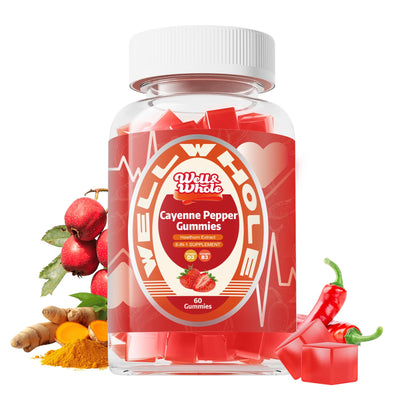
Most trial participants were Mediterranean adults at elevated risk, and transferring the exact numbers to other populations is an inference rather than a measured result. Olive oil is also one component of a pattern built on vegetables, legumes, fish, and nuts; no single food carries a diet by itself. For people who want layered support beyond the kitchen, botanical formulas with cayenne and hawthorn are common companions to circulation-friendly routines, but they complement the plate rather than replace it.

Frequently asked questions
Is cooking with olive oil still healthy?
Yes for everyday home cooking. Its smoke point is higher than its reputation suggests, and studies find its beneficial compounds reasonably stable under normal roasting and sauteing temperatures.
Is light olive oil better for the heart?
No. Light refers to color and flavor, not calories or fat content. It is a refined oil with far fewer polyphenols, and those polyphenols are central to the cardiovascular case for extra virgin.
How does olive oil compare with avocado oil?
Both are rich in monounsaturated fat. Avocado oil tolerates higher heat, while extra virgin olive oil carries a deeper body of human trial evidence and more documented polyphenol content.
Can people with high cholesterol use olive oil freely?
As a replacement for saturated fats it fits well into a cholesterol-aware eating pattern. Portions still matter because of calories, and anyone managing lipid levels should treat it as one piece of a broader plan agreed with their clinician.
Related supplements
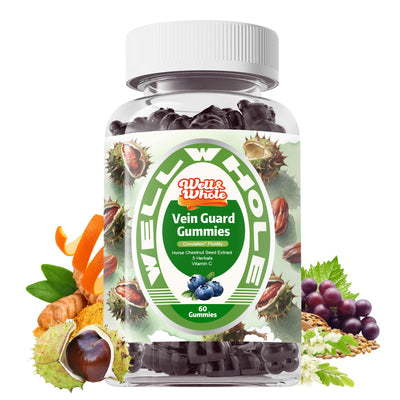
Should you decide to supplement, Well&Whole Horse Chestnut Extract Gummies, Circulation Supplements for Legs and Cayenne Pepper Heart Health Gummies with Hawthorn & CoQ10 & Turmeric are our formulation for this purpose. For a broader comparison, see the Heart Health and CoQ10 collections.
These statements have not been evaluated by the Food and Drug Administration. This product is not intended to diagnose, treat, cure, or prevent any disease. Talk to a healthcare professional before starting any new supplement, especially if you are pregnant, nursing, taking medication, or managing a health condition.
These statements have not been evaluated by the Food and Drug Administration. This product is not intended to diagnose, treat, cure, or prevent any disease.