Natural Cholesterol Support Guide for Heart Health
Holistic cholesterol support guide with nutrition supplements and lifestyle tips for balanced lipid panels

Cholesterol : Understanding Your Blood Lipids
When you get a lipid panel back from the doctor, the numbers can feel like a guessing game. Are you actually at risk, or is your body just doing its job? To build the ultimate strategy for cholesterol support, we need to clear up the confusion around what these fats are actually doing inside your bloodstream.
The Transporters: LDL vs. HDL
Think of your blood vessels as a highway. Cholesterol is a vital building block for cells and hormones, but because it is a fat, it cannot travel through water-based blood on its own. It needs a ride.
- Low-Density Lipoprotein (LDL): Think of LDL as the delivery trucks. Their job is to carry cholesterol away from your liver and drop it off at cells that need it for repairs and hormone production. If you have too many trucks on the road, they can drop their cargo in the wrong places, leading to buildup in your arteries.
- High-Density Lipoprotein (HDL): This is your cleanup crew. HDL acts like a recycling truck, scooping up excess cholesterol from your tissues and taking it back to the liver to be broken down and removed.
Triglycerides: The Energy Factor
While LDL and HDL are transporters, triglycerides are the actual fat being carried. When you eat extra calories your body doesn't need right away, it converts them into triglycerides and stores them in fat cells for later energy.
Tracking your total cholesterol number is helpful, but the ratio between your triglycerides and HDL is often a much sharper indicator of cardiovascular health. A high triglyceride score paired with a low HDL score usually means your metabolism is sluggish and overworked.
Dietary vs. Blood Cholesterol: The Egg Myth
For decades, we were told that eating whole eggs and shrimp would instantly ruin our health numbers. That is a myth.
The 80/20 Rule: Your liver actually synthesizes roughly 80% of the circulating lipids in your body. It tightly regulates this process based on genetics, systemic signaling, and overall metabolic health.
When you eat more dietary cholesterol, your liver simply produces less to keep things balanced. For the vast majority of people, the food on your plate has a minor impact on your serum cholesterol levels compared to how your liver manages lipid metabolism internally.
The Three Crucial Pathways of Lipid Metabolism
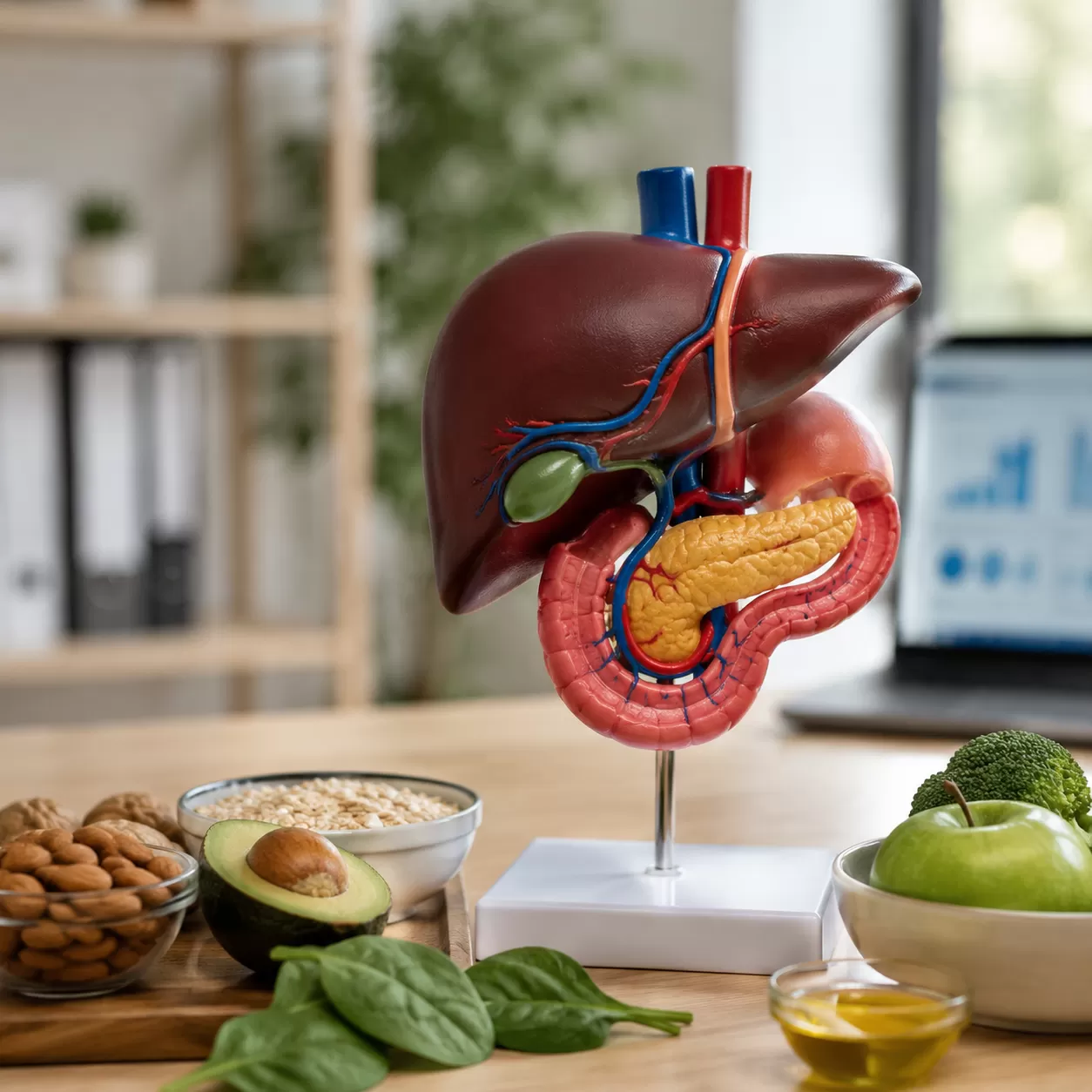
Managing your numbers requires comprehensive cholesterol support across the three internal pathways that dictate how fat moves through your body. True metabolic balance isn't just about what you eat; it's a dynamic cycle of absorption, production, and cellular clearance.
1. The Gut Pathway (Absorption)
Your digestive system is the initial gatekeeper of lipid metabolism. The gut absorbs dietary fats and cholesterol from your meals, but it also handles recycled bile acids. Your liver uses cholesterol to create these bile acids to aid digestion. A healthy gut pathway ensures that excess cholesterol and spent bile acids are efficiently bound and ushered out of the body rather than being reabsorbed into the bloodstream.
2. The Liver Pathway (Production)
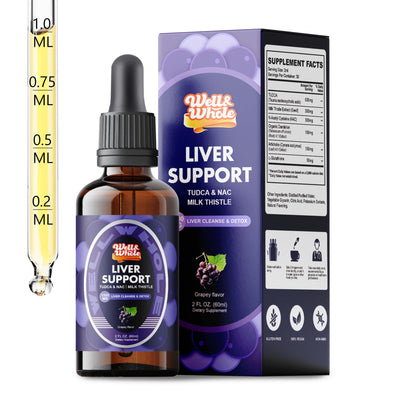
The liver acts as the central command center for liver cholesterol synthesis. Even on a strict diet, your liver synthesizes the majority of your circulating lipids based on genetic factors, systemic metabolic signals, and circulating energy needs. Supporting this organ's natural regulation mechanisms is vital for maintaining an optimal balance between your high-density lipoprotein (HDL) and low-density lipoprotein (LDL) scores. To keep this vital organ performing at its peak, targeted nutrition like our ultra-convenient liver support liquid drops supplement can help optimize overall metabolic pathways and filtration.
3. The Cellular & Mitochondrial Pathway (Clearance and Energy)
Once lipids are in the bloodstream, your cells must actively clear them to be utilized as energy. This final pathway relies heavily on robust mitochondrial function—the tiny powerhouses inside your cells. Maintaining high cellular energy is especially crucial for the heart muscle, which burns fatty acids as its primary fuel source. When cellular energy and mitochondrial health are compromised, lipid clearance slows down, leaving more circulating fats to oxidize in the vascular system.
Smart Nutrition for Cholesterol Support
Managing your lipid panel isn't about starving yourself; it is about choosing the right fuel. By focusing on whole foods, you can actively alter how your body processes fats and shield your blood vessels from stress.
The Soluble Fiber Sweep
Think of soluble fiber as a sponge for your digestive tract. When you eat foods rich in this fiber, it binds to bile acids (which are made of cholesterol) in the gut and drags them out of the body before they can be reabsorbed.
Excellent sources to add to your daily routine include:
- Oats and Barley: Packed with beta-glucan to grab excess lipids.
- Beans and Lentils: Highly filling and great for metabolic health.
- Berries and Apples: High in pectin, a powerful soluble fiber.
Upgrading Your Fats
You do not need a low-fat diet for optimal cardiovascular health; you need a right-fat diet. Swapping out damaged trans fats and low-quality saturated fats for clean, anti-inflammatory alternatives is a game-changer for your blood vessels.
| Avoid or Limit | Swap With (Heart-Healthy Alternatives) |
|---|---|
| Margarine, hydrogenated oils | Extra virgin olive oil, avocado oil |
| Fatty, factory-farmed meats | Omega-3 fatty acids (Salmon, sardines) |
| Processed snack foods | Walnuts, chia seeds, flaxseeds |
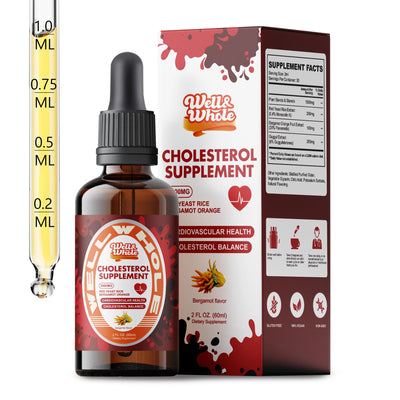
Focusing on these monounsaturated fats and clean polyunsaturated choices keeps cell membranes fluid and reduces systemic vascular inflammation. For extra daily support alongside a clean diet, adding high-quality cholesterol support liquid drops can help keep your pathways running smoothly.
Crowding Out the Real Culprits
For decades, dietary fats took all the blame. However, data shows that refined carbohydrates and hidden sugars do far more damage to your triglycerides and lower your high-density lipoprotein (HDL). High sugar intake forces the liver to create cheap, sticky fat molecules. By cutting out sodas, ultra-processed cereals, and white breads, you protect your triglyceride-to-HDL ratio and keep your metabolism sharp.
Targeted Supplementation: Selecting Multi-Pathway Cholesterol Support
When diet and lifestyle need an extra push, targeted supplements can help manage your numbers. However, taking a scattered approach by swallowing a dozen different pills rarely works. At well&whole, we design our formulations around multi-pathway support—hitting lipid management from the gut, the liver, and the cellular level all at once.
Here are the key ingredients that science shows can actively support a healthy lipid panel:
- Plant Sterols and Stanols (Phytosterols): Think of these as the ultimate gut blockers. Because their molecular structure looks almost identical to cholesterol, they physically compete for the same absorption sites in your digestive tract, helping to clear out excess lipids before they ever enter your bloodstream.
- Red Yeast Rice and Policosanol: These are your liver helpers. They work directly at the foundational source to support the liver’s natural regulation of lipid synthesis, keeping your baseline production in a healthy, optimal balance.
- Coenzyme Q10 (CoQ10): This component is non-negotiable. Ingredients that alter liver cholesterol synthesis can inadvertently deplete your body's natural levels of CoQ10. Protecting these mitochondrial "spark plugs" with a high-quality CoQ10 supplement ensures optimal muscle comfort and deep heart energy.
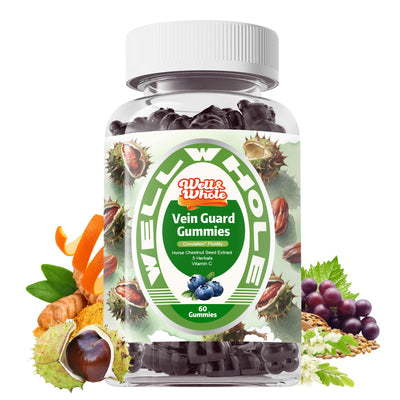
To truly optimize your daily health routine, combining these lipid-regulating nutrients with targeted vascular support yields the best results. We highly recommend pairing your heart-healthy regimen with our well&whole horse chestnut extract gummies, which provide excellent natural circulation support for legs and overall vascular integrity.
Choosing a smart, synergistic, multi-ingredient formula is always the superior strategy. It delivers precise, clinically relevant doses of everything your cardiovascular system needs without the hassle of rattling a kitchen cabinet full of single-ingredient bottles.
Lifestyle Architecture: Daily Habits for Cholesterol Support
Supporting your cardiovascular health goes beyond what you put on your plate. Simple, sustainable shifts in your daily routine play a massive role in managing your lipid panel.
Joyful Movement Over Exhaustive Cardio
You don't need to run marathons to move the needle on your numbers. Sweating through grueling, high-stress workouts can actually backfire. Instead, focus on 30 minutes of moderate, enjoyable activity like brisk walking, casual cycling, or heavy gardening. This level of movement optimizes your high-density lipoprotein (HDL), boosting your body's natural "cleanup crew" to efficiently clear excess cholesterol from your bloodstream.
Stress Management and the Cortisol Connection
Chronic daily stress does more than drain your energy—it actively disrupts your metabolism. When you are constantly stressed, your body pumps out cortisol. This hormone signals your liver to dump extra glucose and lipids directly into your bloodstream, tracking up your triglycerides. Managing stress through breathing exercises, downtime, or targeted natural support is a critical, overlooked piece of the heart-healthy lifestyle puzzle.
The Sleep-Lipid Axis
Skipping out on rest directly compromises your liver cholesterol synthesis and clearance pathways. Getting 7 to 9 hours of quality, deep sleep every night gives your liver the dedicated window it needs to clean, rebuild, and regulate your metabolism.
- Aim for consistency: Go to bed and wake up at the same time to anchor your circadian rhythm.
- Optimize your evening: Keep your bedroom cool, dark, and gadget-free to maximize deep sleep cycles.
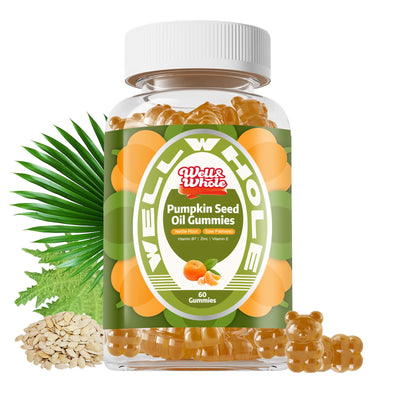
- Support cellular recovery: Pair solid sleep with metabolic essentials like pumpkin seed oil gummies to help nourish your body’s baseline defense systems while you rest.
Navigating Your Next Lab Visit for Cholesterol Support
Walking into a clinic for a standard lipid panel only gives you a fraction of the picture. To truly take control of your cardiovascular health, you need to know exactly what to request at the phlebotomy station. Moving beyond basic low-density lipoprotein (LDL) and high-density lipoprotein (HDL) totals allows us to build a precise, bio-individual strategy for long-term vitality.
Beyond the Standard Lipid Panel: Advanced Markers to Request
Standard medicine often stops at total cholesterol and triglycerides. If you want a multi-dimensional view of your metabolic and arterial health, ask your practitioner to add these specific markers to your next lab order:
- Apolipoprotein B (ApoB): This measures the actual number of plaque-causing particles in your bloodstream, offering a far more accurate assessment of vascular risk than traditional LDL numbers alone.
- High-Sensitivity C-Reactive Protein (hs-CRP): A vital metric that gauges systemic vascular inflammation, helping determine whether circulating lipids are prone to oxidizing and hardening in the arteries.
- Triglyceride-to-HDL Ratio: A simple calculation (divide your triglycerides by your HDL) that serves as an excellent surrogate marker for insulin sensitivity and metabolic health.
The Power of Small Wins for Lifelong Heart Wellness
Radical, restrictive diets and overnight lifestyle overhauls almost always fail because they ignore human psychology and biology. Sustainable cholesterol support isn't built on deprivation; it is built on compounding daily habits.
| Approach | Short-Term Impact | Long-Term Success Rate |
|---|---|---|
| Crash Dieting / Radical Overhauls | Rapid, volatile shifts in biomarkers | Exceptionally low (induces metabolic stress) |
| Micro-Habits (Fiber, Movement, Sleep) | Gradual, steady improvements | High (creates permanent lifestyle architecture) |
True heart-healthy lifestyle changes come down to tracking subtle, daily shifts. Swapping a refined breakfast for oatmeal rich in soluble fiber, adding a brisk 20-minute walk to your afternoon, or supporting your cellular pathways with targeted micronutrients creates a compounding effect. Over time, these micro-wins completely reshape your metabolic profile, giving you optimal numbers and total confidence at your next annual checkup.
Related supplements
Putting it simply: if this is something you want to add to your routine, our Well&Whole Horse Chestnut Extract Gummies, Circulation Supplements for Legs and Cayenne Pepper Heart Health Gummies with Hawthorn & CoQ10 & Turmeric are a good place to start. The wider Heart Health collection is worth a look, and the CoQ10 range covers related formats.
These statements have not been evaluated by the Food and Drug Administration. This product is not intended to diagnose, treat, cure, or prevent any disease.