NAFLD (Fatty Liver) Natural Support: Evidence-Based Guide
Learn evidence-based natural support strategies for NAFLD and fatty liver—including TUDCA, NAC, milk thistle, dietary changes, and lifestyle approaches.

Non-alcoholic fatty liver disease (NAFLD) has become the most common chronic liver condition in the United States—and most people who have it do not even know. Affecting an estimated 25–30% of American adults, NAFLD ranges from simple fat accumulation (steatosis) to inflammation and cell damage (NASH—non-alcoholic steatohepatitis), and in severe cases, can progress to cirrhosis and liver failure.
The good news: NAFLD is reversible in its early stages. Lifestyle modifications—diet, exercise, weight management—are the first-line treatment and have the strongest evidence base. But emerging research also suggests that certain natural compounds may support liver health alongside these foundational changes, particularly for people who need extra help reducing liver fat, inflammation, and oxidative stress.
This evidence-based guide covers what NAFLD is, why it matters, the lifestyle interventions that work, and the supplement ingredients backed by clinical research—so you can make informed decisions about supporting your liver health.
Understanding NAFLD: The Full Picture
What Is NAFLD?
NAFLD is a spectrum of liver conditions that occur in people who drink little or no alcohol. It begins when excess fat accumulates in liver cells (hepatocytes)—typically when fat exceeds 5–10% of the liver's total weight.
The Disease Spectrum
| Stage | Definition | Key Characteristics | Reversibility |
|-------|-----------|---------------------|--------------|
| Simple steatosis | Fat accumulation without inflammation | Usually asymptomatic, normal liver enzymes | Highly reversible |
| NASH | Steatosis with inflammation and cell damage | Elevated ALT/AST, possible symptoms | Potentially reversible with intervention |
| Fibrosis | Chronic inflammation leads to scar tissue | Progressive, may have fatigue, right-side discomfort | Partially reversible (early stages) |
| Cirrhosis | Extensive scarring replaces healthy tissue | Severe symptoms, liver failure risk | Generally irreversible |
Risk Factors
NAFLD is strongly associated with metabolic syndrome. A 2020 study in *The Lancet* identified the primary risk factors:
- **Obesity** (particularly visceral/abdominal fat)
- **Type 2 diabetes or insulin resistance**
- **Elevated triglycerides and low HDL cholesterol**
- **Sedentary lifestyle**
- **Poor diet** (high refined carbohydrates, added sugars, saturated fat)
- **Genetic predisposition** (PNPLA3 gene variant increases susceptibility)
Why NAFLD Matters
NAFLD is not just a liver problem. A 2019 study in *Hepatology* demonstrated that NAFLD independently increases the risk of cardiovascular disease, type 2 diabetes progression, and all-cause mortality—even in patients who have not yet developed NASH or fibrosis. The liver's role in metabolic regulation means that when it is dysfunctional, the effects cascade throughout the body.
Lifestyle Interventions: The Foundation
No supplement can replace the lifestyle changes that form the bedrock of NAFLD management. The evidence for lifestyle intervention is overwhelming:
Weight Loss
A 2018 systematic review in the *Journal of Hepatology* found that losing 7–10% of body weight was associated with significant reductions in liver fat, resolution of NASH in over 50% of patients, and improvement or regression of fibrosis in many cases. Even a 5% weight loss reduced liver fat measurably.
Diet Composition
- **Reduce refined carbohydrates and added sugars**: Fructose, in particular, drives hepatic fat synthesis. A 2017 study in *Journal of Hepatology* showed that reducing fructose intake significantly decreased liver fat in NAFLD patients.
- **Increase fiber**: Soluble fiber supports gut health and may reduce endotoxin load on the liver.
- **Choose healthy fats**: Monounsaturated fats (olive oil, avocados) and omega-3 fatty acids (fish, walnuts) are associated with reduced liver fat. A 2018 meta-analysis in *Nutrients* found that omega-3 supplementation reduced liver fat in NAFLD patients.
- **Mediterranean diet pattern**: Multiple studies, including a 2020 trial in *Journal of Hepatology*, have shown that a Mediterranean-style diet reduces liver fat and inflammation even without weight loss—suggesting diet quality matters independent of calories.
Exercise
Both aerobic and resistance training reduce liver fat, even without significant weight loss. A 2017 study in *Journal of Hepatology* found that 150 minutes of moderate aerobic exercise per week reduced liver fat by approximately 20–30% in NAFLD patients, independent of BMI change. Resistance training also showed benefit, improving insulin sensitivity and reducing intrahepatic fat.
Supplement Ingredients with Clinical Evidence
While lifestyle changes are primary, certain natural compounds have shown promise in clinical studies as adjunctive support for NAFLD. Here is what the research says:
TUDCA (Tauroursodeoxycholic Acid)
TUDCA is a bile acid that has demonstrated hepatoprotective properties in multiple studies. A 2018 study in *Cell Death & Disease* showed that TUDCA reduced endoplasmic reticulum (ER) stress in hepatocytes—a key mechanism in NAFLD progression, since ER stress triggers inflammation and cell death. A 2020 clinical pilot study in *Digested Diseases and Sciences* found that TUDCA supplementation in NAFLD patients was associated with reductions in ALT and AST enzymes and improved markers of liver function.
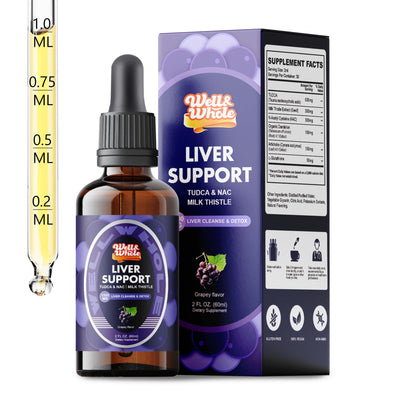
well&whole TUDCA 1000mg Gummies with Milk Thistle and well&whole Liver Support Liquid Drops both include TUDCA as a key ingredient, combined with complementary liver supporters.

Milk Thistle (Silymarin)
Silymarin, the active compound complex in milk thistle, has been studied extensively in NAFLD. A 2020 meta-analysis in *Phytotherapy Research* reviewing 18 randomized controlled trials found that silymarin supplementation significantly reduced ALT and AST levels, improved insulin resistance markers, and reduced liver fat as measured by imaging in NAFLD/NASH patients.
| Study Detail | Finding |
|-------------|---------|
| 18 RCTs meta-analysis (2020, *Phytotherapy Research*) | Significant reduction in ALT (-16.6 U/L) and AST (-11.1 U/L) |
| Silymarin + lifestyle (2019, *World Journal of Hepatology*) | Greater improvement than lifestyle alone |
| Duration for measurable effects | Typically 8–12 weeks of consistent use |
NAC (N-Acetyl Cysteine)
NAC replenishes glutathione—the liver's primary antioxidant, which is depleted in NAFLD due to chronic oxidative stress. A 2021 study in the *European Review for Medical and Pharmacological Sciences* showed that NAC supplementation increased hepatic glutathione and reduced oxidative stress markers. A 2019 clinical trial in *Hepatology* found that NAC combined with lifestyle intervention produced greater reductions in liver inflammation markers than lifestyle alone.
Dandelion Root
Dandelion root has traditionally been used for liver and digestive support. A 2017 study in the *Journal of Ethnopharmacology* reported that dandelion root extract reduced markers of liver injury and oxidative stress in animal models of liver damage. Human clinical data is more limited, but the mechanistic rationale—diuretic effect, antioxidant activity, and chicoric acid content—supports its inclusion in multi-ingredient liver formulas.
Artichoke Extract
Artichoke (Cynara scolymus) contains cynarin and silymarin-related flavonoids that support bile production and liver cell protection. A 2018 study in *Phytotherapy Research* found that artichoke leaf extract supplementation reduced liver enzyme levels and improved lipid profiles in individuals with mild liver dysfunction.
Glutathione
Glutathione is the liver's master antioxidant. NAFLD is characterized by depleted glutathione levels—the oxidative stress from fat accumulation consumes glutathione faster than the liver can replenish it. Supplementing glutathione directly or providing precursors (NAC, methionine) helps restore this critical defense system.
The Multi-Ingredient Advantage
NAFLD involves multiple pathological mechanisms simultaneously: fat accumulation, insulin resistance, oxidative stress, ER stress, inflammation, and impaired bile flow. No single ingredient addresses all of them. This is why multi-ingredient formulas that combine complementary compounds may offer broader support:
- **TUDCA** addresses bile flow and ER stress
- **Milk thistle** provides antioxidant and anti-inflammatory support
- **NAC** replenishes glutathione
- **Dandelion** supports bile production and gentle detoxification
- **Artichoke** promotes bile flow and hepatocyte protection
- **Glutathione** directly supplies the master antioxidant
The well&whole Liver Support Liquid Drops combine all six of these ingredients—TUDCA, NAC, milk thistle, dandelion, artichoke, and glutathione—in one formula designed for comprehensive liver support.

A Practical NAFLD Support Protocol
Based on the evidence, a reasonable adjunctive approach for individuals with NAFLD (under healthcare provider supervision):
| Component | Recommendation | Evidence Level |
|-----------|---------------|---------------|
| Weight loss | 7–10% of body weight over 6–12 months | Strong |
| Mediterranean-style diet | Whole foods, low refined carbs, healthy fats | Strong |
| Exercise | 150 min moderate aerobic + resistance training weekly | Strong |
| Reduce fructose | Limit sugary beverages, processed foods with added sugars | Strong |
| TUDCA | As part of a multi-ingredient liver formula | Moderate-growing |
| Milk thistle/silymarin | As part of a multi-ingredient liver formula | Moderate-strong |
| NAC | As part of a multi-ingredient liver formula | Moderate |
| Omega-3 fatty acids | 2–4 g/day EPA+DHA | Moderate |
| Vitamin E | 800 IU/day (for NASH without diabetes, under medical supervision) | Moderate (controversial for long-term use) |
What NAFLD Support Cannot Do
It is critical to set realistic expectations:
- **Supplements do not treat or cure NAFLD**: They may support liver health alongside lifestyle changes.
- **No supplement replaces weight loss and dietary improvement**: These remain the most evidence-backed interventions.
- **Results take time**: Liver changes typically require 8–12 weeks of consistent lifestyle and supplement use before measurable improvements appear.
- **Advanced NAFLD/NASH requires medical management**: If you have fibrosis or cirrhosis, supplement use must be guided by a hepatologist.
FAQ
1. Can NAFLD be reversed?
Yes, particularly in early stages (simple steatosis and early NASH). A 7–10% reduction in body weight combined with dietary improvement and exercise has been shown to significantly reduce liver fat and, in many cases, resolve NASH. Advanced fibrosis and cirrhosis are harder to reverse.
2. What are the first signs of fatty liver?
Most people with NAFLD have no symptoms. It is often discovered incidentally through elevated liver enzymes on routine blood work or imaging. Some people with NASH may experience fatigue, right upper abdominal discomfort, or unexplained weight gain.
3. Is NAFLD the same as alcoholic fatty liver?
No. NAFLD occurs in people who do not consume excessive alcohol. The mechanisms overlap (fat accumulation, inflammation), but the causes differ. NAFLD is driven by metabolic factors—insulin resistance, obesity, poor diet—rather than alcohol toxicity.
4. Which supplement ingredient has the most evidence for NAFLD?
Milk thistle (silymarin) has the largest body of clinical trial data, with multiple RCTs and meta-analyses showing reductions in liver enzymes and liver fat. TUDCA is emerging with strong mechanistic data and growing clinical evidence.
5. Can I take liver supplements instead of changing my diet?
No. Lifestyle modifications—weight loss, dietary improvement, and exercise—are the primary evidence-based treatment for NAFLD. Supplements may provide adjunctive support but cannot replace these foundational changes. Think of supplements as "stacking on top of" lifestyle, not substituting for it.
6. How long before liver supplements show measurable effects?
Most clinical studies show changes in liver enzyme markers after 8–12 weeks of consistent use. Imaging changes (reduced liver fat) may take longer—3–6 months. Individual results vary.
7. Is fructose really that bad for the liver?
Research suggests yes. Fructose is metabolized primarily in the liver and directly drives hepatic fat synthesis (de novo lipogenesis). A 2017 study in *Journal of Hepatology* found that reducing dietary fructose significantly decreased liver fat in NAFLD patients, independent of total calorie reduction.
8. Can exercise reduce liver fat without weight loss?
Yes. A 2017 study in *Journal of Hepatology* demonstrated that 150 minutes of moderate aerobic exercise per week reduced liver fat by 20–30% even without significant weight loss. Exercise improves insulin sensitivity and hepatic fat metabolism independent of BMI changes.
9. Should I get my liver enzymes checked regularly?
If you have risk factors for NAFLD (obesity, diabetes, high triglycerides, sedentary lifestyle), annual liver enzyme testing (ALT, AST) is a reasonable screening step. Discuss with your healthcare provider whether additional testing (Fib-4 index, ultrasound, FibroScan) is appropriate.
10. Can NAFLD progress to liver cancer?
In rare cases, yes. NAFLD can progress to NASH, then fibrosis, then cirrhosis—and cirrhosis increases the risk of hepatocellular carcinoma (liver cancer). This progression takes years to decades and is preventable with early intervention. The vast majority of NAFLD cases do not progress to cancer.
Conclusion
NAFLD is common, serious, and—in its early stages—reversible. The strongest evidence supports lifestyle changes first: weight loss, Mediterranean-style diet, regular exercise, and reduced sugar intake. These are not optional extras; they are the foundation.
Beyond lifestyle, certain natural compounds have demonstrated clinical potential as adjunctive support. TUDCA, milk thistle, NAC, dandelion, artichoke, and glutathione each address different mechanisms involved in NAFLD pathology—and together, they offer broader support than any single ingredient alone.
well&whole Liver Support Liquid Drops combine TUDCA, NAC, milk thistle, dandelion, artichoke, and glutathione in one comprehensive formula. For those who prefer a gummy format with TUDCA and milk thistle, well&whole TUDCA 1000mg Gummies offer a convenient alternative. Both are designed to complement—not replace—the lifestyle changes that matter most.
Related supplements
Putting it simply: if this is something you want to add to your routine, our Liver Support Liquid Drops Supplement | TUDCA Drops Liver Cleanse & Detox with Milk Thistle, NAC, Dandelion, Artichoke & Glutathione for Detox and TUDCA 1000mg Gummies with Milk Thistle 500mg for Adults are a good place to start. The wider Liver Support collection is worth a look, and the Milk Thistle range covers related formats.
These statements have not been evaluated by the Food and Drug Administration. This product is not intended to diagnose, treat, cure, or prevent any disease.