NAD+ and Aging: The Longevity Molecule Explained
Discover what NAD+ is, why it declines with age, and how NMN and NR supplements may support healthy aging and cellular energy.

Aging isn't just about wrinkles and gray hair. At the cellular level, aging involves declining energy production, accumulating DNA damage, and reduced metabolic efficiency. One molecule sits at the center of all these processes: NAD+, or nicotinamide adenine dinucleotide.
NAD+ has become one of the most discussed compounds in longevity science. Researchers have linked falling NAD+ levels to many hallmarks of aging, and supplement companies have responded with precursors like NMN and NR. But what does the science actually say? And are these supplements worth taking?
This guide explains what NAD+ is, why it matters, why it declines with age, and how NMN and NR fit into the picture. You'll also get practical guidance on dosing, safety, and how to choose a quality product.
What Is NAD+?
NAD+ is a coenzyme found in every living cell. It exists in two forms: NAD+ (oxidized) and NADH (reduced). Together, they shuttle electrons during cellular respiration, the process that converts nutrients into ATP, the body's primary energy currency.
Without adequate NAD+, cells cannot efficiently produce energy. The molecule is essential for:
· **Mitochondrial function**: NAD+ participates in the Krebs cycle and oxidative phosphorylation.
· **DNA repair**: It fuels enzymes called PARPs that fix DNA damage.
· **Sirtuin activity**: Sirtuins are longevity-associated proteins that regulate inflammation, metabolism, and stress resistance.
· **Calcium signaling**: NAD+ supports cellular communication.
In short, NAD+ is not optional. It's required for life. The question is whether raising NAD+ through supplements can slow aspects of aging.
Why NAD+ Declines With Age
NAD+ levels drop dramatically over a lifetime. Human studies suggest that NAD+ can fall by roughly 50% between the ages of 20 and 50, with further declines after 60.
Several factors drive this decline:
1. Increased NAD+ Consumption
As we age, DNA damage accumulates from oxidative stress, UV exposure, and environmental toxins. PARP enzymes consume NAD+ to repair this damage. Chronic inflammation and obesity also increase NAD+ usage.
2. Reduced NAD+ Synthesis
The body makes NAD+ from precursors like tryptophan, nicotinic acid, nicotinamide, NMN, and NR. With age, the enzymes responsible for converting these precursors become less efficient.
3. CD38 Enzyme Activity
CD38 is an enzyme that breaks down NAD+. Research shows CD38 levels rise with age, accelerating NAD+ depletion. Some scientists view CD38 inhibition as a potential anti-aging strategy.
4. Lifestyle Factors
Poor sleep, excessive alcohol, high-calorie diets, and chronic stress can all lower NAD+ levels. Conversely, calorie restriction and exercise may help preserve NAD+.
The Link Between NAD+ and Aging
Low NAD+ has been associated with several aging-related changes:
· **Metabolic dysfunction**: Reduced NAD+ impairs mitochondrial function and insulin sensitivity.
· **Cognitive decline**: The brain is highly energy-dependent, making it vulnerable to NAD+ depletion.
· **Muscle loss**: NAD+ supports muscle stem cell function and energy metabolism.
· **Cardiovascular issues**: Blood vessels rely on NAD+ for healthy function.
· **Weakened immunity**: Immune cells need NAD+ for activation and regulation.
Animal studies have shown promising results. In a widely cited 2013 study published in *Cell*, researchers restored NAD+ levels in older mice using NMN and observed improvements in mitochondrial function and muscle health. However, human trials are still catching up.
NMN vs NR: The Two Main NAD+ Precursors
Most NAD+ supplements don't contain NAD+ itself because the molecule is unstable and poorly absorbed when taken orally. Instead, they contain precursors that the body converts into NAD+.
The two most popular precursors are NMN (nicotinamide mononucleotide) and NR (nicotinamide riboside).
Nicotinamide Mononucleotide (NMN)
NMN is one step closer to NAD+ in the biosynthesis pathway. Theoretically, this makes it more efficient. It has gained significant attention due to animal studies showing anti-aging effects.
Key points:
· NMN is converted to NAD+ through the NMNAT enzyme.
· Studies in mice suggest benefits for metabolism, vascular function, and cognitive health.
· Human studies indicate NMN can raise NAD+ levels and improve markers of metabolic health.
· The FDA briefly questioned NMN's regulatory status as a supplement, but it remains widely available.
Nicotinamide Riboside (NR)
NR is a form of vitamin B3 that converts to NMN and then to NAD+. It has been studied more extensively in humans than NMN, largely through the branded ingredient Niagen.
Key points:
· NR is well-tolerated and has a strong human clinical trial record.
· Studies show it can increase NAD+ levels by 40-50% in some individuals.
· Research has explored benefits for blood pressure, muscle function, and metabolic health.
· It may be slightly less direct than NMN but is backed by more published human data.
NMN vs NR Comparison Table
Both precursors appear effective at raising NAD+. The choice often comes down to personal preference, budget, and tolerance.
Other Ways to Support NAD+ Levels
Supplements aren't the only option. Several lifestyle strategies may help maintain NAD+ naturally:
Exercise
Aerobic and resistance training can boost NAD+ by increasing NAMPT, a key enzyme in NAD+ synthesis. Regular movement also improves mitochondrial health.
Calorie Restriction and Time-Restricted Eating
Reducing calorie intake or eating within a limited window may activate sirtuins and support NAD+ metabolism. Intermittent fasting has been shown to increase NAD+ in some studies.
Sauna and Heat Exposure
Heat stress can activate cellular stress responses that support NAD+ pathways. Sauna use has been linked to improved cardiovascular and metabolic health.
Avoid Excess Alcohol
Alcohol metabolism depletes NAD+ and increases oxidative stress. Limiting alcohol supports healthier NAD+ levels.
Sleep
Poor sleep disrupts circadian rhythms that regulate NAD+ synthesis. Prioritizing 7-9 hours of quality sleep is foundational.
NAD+ Supplement Dosing and Safety
There is no official RDA for NAD+ precursors, but common dosing ranges include:
· **NMN**: 250-1000 mg per day
· **NR**: 300-1000 mg per day
Most human studies have used doses in these ranges with good safety profiles. Side effects are generally mild and may include nausea, fatigue, headaches, or digestive upset.
Who Should Consider NAD+ Precursors?
Adults over 30 interested in healthy aging, energy metabolism, and longevity may consider NAD+ precursors. They may be especially relevant for those with low energy, metabolic concerns, or a family history of age-related conditions.
Who Should Avoid Them?
· Pregnant or breastfeeding women
· People with active cancer or a history of cancer (consult an oncologist)
· Those taking medications that affect metabolism
Always consult a healthcare provider before starting a new supplement.
Choosing a Quality NAD+ Supplement
Not all NAD+ supplements are equal. Look for:
1. **Third-party testing**: Certificates of analysis confirm purity and potency.
2. **Stable forms**: Some NMN products use stabilized formulations to prevent degradation.
3. **Transparent labeling**: The ingredient should clearly state NMN or NR, not vague "NAD+ complex" blends.
4. **Good manufacturing practices**: Choose brands that follow cGMP standards.
At well&whole, NAD+ support products are selected for purity and third-party verification, giving customers confidence in what they're taking.
FAQ
What does NAD+ do in the body?
NAD+ supports cellular energy production, DNA repair, sirtuin activity, and metabolic regulation. It's essential for life.
Why does NAD+ decline with age?
NAD+ declines due to increased consumption by DNA repair enzymes, reduced synthesis, rising CD38 enzyme activity, and lifestyle factors like poor diet and stress.
Can I take NAD+ directly?
Oral NAD+ is poorly absorbed. Precursors like NMN and NR are more effective at raising NAD+ levels in the body.
Which is better, NMN or NR?
Both can raise NAD+ levels. NMN is one step closer to NAD+, while NR has more published human trials. The best choice depends on individual goals and response.
How long does it take to feel results?
Some people notice improved energy within weeks, while metabolic benefits may take several months. NAD+ levels can rise within days to weeks of supplementation.
Are there natural ways to boost NAD+?
Yes. Exercise, calorie restriction, intermittent fasting, sauna use, adequate sleep, and limiting alcohol may all support NAD+ levels.
Is NMN safe?
Most human studies report NMN as safe and well-tolerated at doses up to 1000 mg per day. Long-term data is still emerging.
Can NAD+ supplements reverse aging?
No supplement reverses aging. NAD+ precursors may support healthy aging by maintaining cellular energy and repair processes.
Do NAD+ supplements interact with medications?
They may interact with blood pressure, diabetes, and cancer medications. Consult a healthcare provider before use.
What time of day should I take NAD+ precursors?
Morning is commonly recommended because NAD+ supports energy metabolism and may be stimulating for some people.
Conclusion
NAD+ is one of the most important molecules in human biology, and its decline with age may contribute to many aspects of aging. While no supplement can stop aging, NAD+ precursors like NMN and NR offer a promising way to support cellular energy, metabolism, and healthy aging.
If you're considering NAD+ support, focus on quality, consistency, and a foundation of healthy habits like exercise, sleep, and a nutrient-dense diet. well&whole offers carefully sourced NAD+ precursors designed for adults seeking evidence-based longevity support.
Related supplements
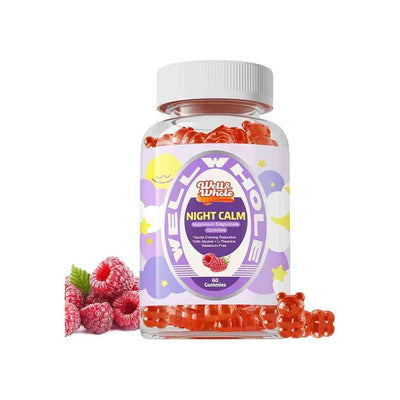
Should you decide to supplement, Magnesium Bisglycinate Gummies with Apigenin & B6, Melatonin Free, 60 Ct | Gentle on Stomach, Chelated with Glycine, Night Calm Routine and Sleep & Calm Support Bundle are our formulation for this purpose. For a broader comparison, see the Sleep Support and Magnesium collections.
These statements have not been evaluated by the Food and Drug Administration. This product is not intended to diagnose, treat, cure, or prevent any disease.