Mucuna Pruriens and Dopamine: How L-DOPA Works

Mucuna pruriens, commonly called velvet bean, is one of the few plant sources of L-DOPA (levodopa), the direct biochemical precursor to dopamine. When you ingest L-DOPA, it crosses the blood-brain barrier and is converted into dopamine inside the brain — which is why this bean has attracted interest for mood, motivation and neurological health rather than just general nutrition.
L-DOPA from Mucuna pruriens bypasses the rate-limiting step in dopamine synthesis, delivering the raw material directly where the brain can convert it. This mechanism is pharmacologically real, though dosing and quality control matter enormously.
What Mucuna pruriens actually is
Mucuna pruriens is a tropical legume whose seeds contain 3–7% L-DOPA by weight, depending on growing conditions and extraction method. It has been used in Ayurvedic medicine for centuries under names like kapikachhu, primarily as a nerve tonic and aphrodisiac. Modern interest centers on its L-DOPA content and what that means for dopamine-dependent systems.
The dopamine pathway, simplified
Dopamine is synthesized in the body from the amino acid tyrosine, which converts to L-DOPA via the enzyme tyrosine hydroxylase, then to dopamine via DOPA decarboxylase. The first step (tyrosine to L-DOPA) is rate-limited, meaning the body controls how much gets made. When you consume L-DOPA directly, you skip that bottleneck and flood the pathway downstream, which is why L-DOPA is used clinically for Parkinson's disease.
L-DOPA from Mucuna vs pharmaceutical levodopa
Pharmaceutical levodopa is purified, standardized and combined with carbidopa to prevent peripheral conversion before reaching the brain. Mucuna extracts vary widely in L-DOPA concentration and lack the peripheral-blocking agent, so more of the L-DOPA converts to dopamine outside the brain, which increases side-effect risk at higher doses. This is why standardized extracts with known L-DOPA percentages matter significantly.
What the research shows
- Parkinson's research: Several trials compare Mucuna extracts to synthetic levodopa, finding comparable or faster onset of motor improvement in some cases, though long-term safety data are thinner than for the pharmaceutical.
- Mood and motivation: Smaller studies report subjective improvements in motivation, stress resilience and sexual function, but many are open-label or poorly controlled.
- Hormonal effects: Some research notes changes in testosterone and growth hormone levels, possibly through dopaminergic influence on the pituitary axis.
Who might consider it (and who should not)
Healthy adults interested in cognitive and motivational support represent the typical supplement user base. However, anyone on MAO inhibitors, antipsychotics, or medications for Parkinson's must coordinate with their clinician before trying Mucuna, because adding exogenous L-DOPA on top of prescribed dopaminergic drugs can cause serious interactions including hypertensive crisis.
Dosing and standardization
Studies have used anywhere from 5% to 20% L-DOPA extracts at doses ranging from 200 mg to 1000 mg daily. The key variable is how much actual L-DOPA each capsule or gummy delivers, not the total herb weight. A product listing "500 mg Mucuna pruriens" tells you nothing about L-DOPA content unless it specifies the extract percentage.
Tolerance and cycling
Because L-DOPA directly raises dopamine, chronic high-dose use can theoretically downregulate dopamine receptors over time, reducing sensitivity. Many experienced users cycle Mucuna (for example, five days on, two off, or three weeks on, one week off) to mitigate this risk, though formal studies on optimal cycling protocols remain limited.
Key takeaways
- Mucuna pruriens contains L-DOPA, the direct precursor to dopamine.
- L-DOPA crosses the blood-brain barrier and converts to dopamine in the brain.
- Standardized extract percentage determines actual L-DOPA dose, not total herb weight.
- Potential interactions with psychiatric and Parkinson's medications are serious.
- Cycling may help preserve receptor sensitivity, though evidence is preliminary.
Frequently asked questions
Is Mucuna pruriens natural?
Yes, it is a plant-derived source of L-DOPA. "Natural" does not automatically mean safer or gentler — L-DOPA is a potent compound regardless of its origin.
Can I take it every day?
Many people do, but given the direct dopaminergic effect, some practitioners recommend periodic breaks to maintain receptor sensitivity.
Does it work like an antidepressant?
No. While dopamine influences mood, Mucuna is not an antidepressant and should not replace prescribed mental health treatment. Effects on mood are generally milder and more variable than pharmaceutical options.
How quickly does it work?
Acute effects on focus or motivation may appear within 30–90 minutes of ingestion. Longer-term benefits like hormonal or motivational shifts typically assess over weeks of consistent use.
Related supplements
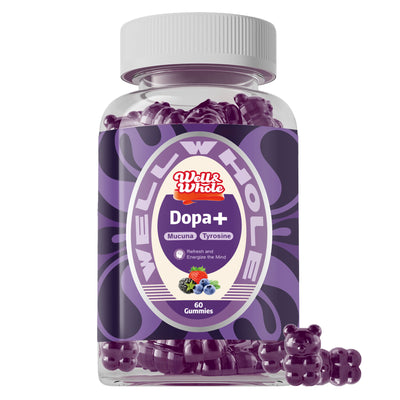
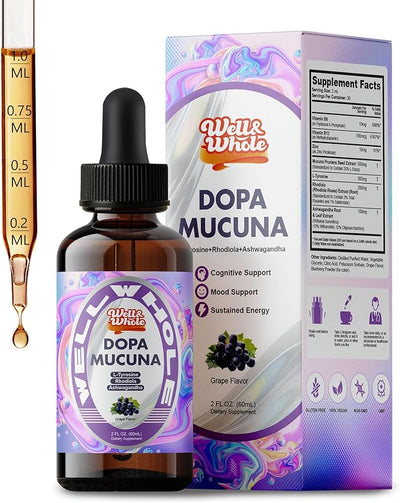
If you'd like to try it, Dopamine Gummies – Mucuna Pruriens Supplements Gummies 500mg with Mood Support and Mucuna Pruriens Liquid, Mucuna Pruriens Supplements 500MG, Fuel for Focus & Attention are the closest match to what we've covered here. Browse Mood Support and Brain Health to see how the alternatives compare.
These statements have not been evaluated by the Food and Drug Administration. This product is not intended to diagnose, treat, cure, or prevent any disease. Talk to a healthcare professional before starting any new supplement, especially if you are pregnant, nursing, taking medication, or managing a health condition.