Methylene Blue and Cellular Energy: What the Research Shows

Low-dose methylene blue can shuttle electrons inside mitochondria, the organelles that produce cellular energy (ATP), bypassing some of the bottlenecks that limit output in aging or stressed cells. That mechanism is well documented in cell and animal studies. What is less settled is how the effect translates to healthy human users, what the right dose actually is, and which individuals should avoid it because of drug interactions. This article separates the established biochemistry from the marketing claims.
Methylene blue at very low doses (typically 0.5–4 mg per kg of body weight, well below the pharmaceutical range) acts as a recyclable electron carrier in the mitochondrial electron transport chain. At higher doses it has the opposite effect and can be toxic, which is why dosing precision and product quality matter more than with most other supplements.
What methylene blue actually is
Methylene blue is a synthetic thiazine dye first synthesized in 1876. In modern medicine it is FDA-approved (in injectable form) for methemoglobinemia, a condition in which hemoglobin cannot release oxygen effectively. Outside prescription use, it is sold as a research chemical, aquarium treatment, and increasingly as a low-dose supplement marketed for cognitive and mitochondrial support. Industrial and aquarium-grade products are not interchangeable with supplement-grade material — purity and contaminant profiles differ dramatically.
The mitochondrial mechanism, explained
Inside mitochondria, electrons travel through a chain of protein complexes (I, II, III, IV) to generate the proton gradient that drives ATP synthesis. Methylene blue can accept electrons from complexes I and III and pass them to cytochrome c, effectively short-circuiting a damaged or sluggish segment of the chain. This "alternative electron carrier" function becomes more important as the natural chain accumulates age-related damage. In cell and animal models, low-dose methylene blue increases oxygen consumption, raises ATP output, and reduces oxidative stress simultaneously — a combination that is unusual among supplements.
What the research actually shows
- Cell and animal studies: Robust evidence for enhanced mitochondrial respiration, reduced oxidative damage, and protection against neurodegeneration in models of Alzheimer's, Parkinson's and stroke.
- Small human cognitive studies: A few short trials report improvements in memory, attention and mood metrics, often in healthy volunteers or people with mild cognitive complaints. Sample sizes are small, durations are short, and replication is limited.
- Neuroimaging studies: Increased functional connectivity in resting-state brain networks has been observed after low-dose methylene blue, consistent with the proposed mechanism but not yet clinically meaningful evidence.
- Long-term human safety data: Sparse for the very low doses used in supplement contexts. Pharmaceutical methylene blue at higher doses has well-documented risks; the assumption that low doses inherit the same safety profile is plausible but not fully validated.
Why the dose window matters so much
Methylene blue has a hormetic dose response: low doses support mitochondrial function, while higher doses become pro-oxidant and impair function instead. The transition point varies by individual but generally sits between 4 and 10 mg per kg of body weight for acute effects. Most supplement protocols use 0.5–2 mg per kg per day, well below that boundary. Exceeding it is a real risk with over-the-counter products that lack third-party testing.
Drug interactions are not optional warnings
Methylene blue is a potent monoamine oxidase inhibitor (MAOI) at supplement-relevant doses. Combining it with SSRIs, SNRIs, tricyclic antidepressants, MAO inhibitors, meperidine, dextromethorphan or tyramine-rich foods (aged cheese, cured meats, fermented soy, draft beer) can cause serotonin syndrome — a potentially life-threatening condition. This is the single most important safety consideration and cannot be glossed over for users on psychiatric or chronic pain medications.
Who should avoid it entirely
- Anyone on serotonergic medications (SSRIs, SNRIs, tricyclics, MAOIs, certain migraine drugs).
- Pregnant or nursing individuals — safety not established.
- People with G6PD deficiency — methylene blue can trigger hemolytic anemia.
- Children — pediatric dosing and safety data are insufficient.
- Anyone scheduled for surgery within two weeks — it can interact with anesthetic agents.
What to look for in a product
- Purity certification: Third-party HPLC verification that the product is at least 99% pure methylene blue with no organic contaminants or heavy metals.
- Form: USP or pharmaceutical-grade material only. Industrial dye is not acceptable for human consumption.
- Dose transparency: The label should state exact mg per drop or capsule, not vague "serving" measurements.
- Packaging: Amber glass to protect against light degradation, which is significant.
- Brand transparency: Published third-party lab reports for every batch.
Key takeaways
- Low-dose methylene blue can act as a mitochondrial alternative electron carrier.
- Cell and animal evidence is strong; human cognitive evidence is preliminary.
- The dose window is narrow and hormetic — more is not better.
- Serotonergic medication interactions are serious and well documented.
- Purity and dose precision matter far more than for typical supplements.
Frequently asked questions
Is low-dose methylene blue the same as aquarium methylene blue?
No. Aquarium products often contain additives, lower purity grades, and may carry contaminants. Only USP or pharmaceutical-grade material is appropriate for human consumption, and even then, this is a decision to make with a clinician.
Can I take it every day?
Some users do under professional guidance, but the long-term safety data at low doses is limited. Pulsed schedules (for example, five days on, two off) are often used to reduce unknowns.
Will it turn my urine blue?
Yes, even at low doses. Blue-green urine is a harmless and expected sign that the compound is being excreted. It can also temporarily stain contact lenses and toilet bowls.
How long before cognitive effects appear?
Acute effects on attention and reaction time can appear within an hour of ingestion. Sustained benefits, if real, typically report over weeks of consistent use, though robust long-term data is lacking.
Related supplements
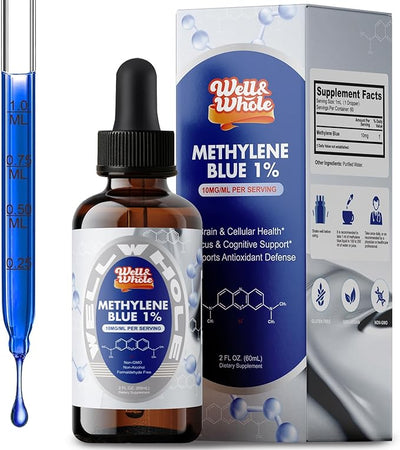
Where to begin? Our Methylene Blue Liquid Drops for Humans - Brain & Cognitive Support, Mitochondrial Health Supplement is a sensible place to start, and the Brain Health collection lays out the other formats side by side with Health Benefits.
These statements have not been evaluated by the Food and Drug Administration. This product is not intended to diagnose, treat, cure, or prevent any disease. Talk to a healthcare professional before starting any new supplement, especially if you are pregnant, nursing, taking medication, or managing a health condition.