Magnesium Taurate vs Magnesium Bisglycinate: Which Do You Need?
Magnesium taurate vs magnesium bisglycinate—which form is right for you? Compare benefits, absorption, and best uses for these two premium magnesium forms.

If you've been shopping for a magnesium supplement, you've probably discovered that "magnesium" isn't just one thing. There's magnesium citrate, oxide, glycinate, malate, threonate, taurate—and the list goes on. Each form has different properties, absorption rates, and ideal uses.
Two of the most popular "premium" forms are **magnesium taurate** and **magnesium bisglycinate** (also called magnesium glycinate). Both are chelated forms with excellent bioavailability, but they serve different primary purposes.
In this comparison, we'll break down the differences between magnesium taurate and magnesium bisglycinate—helping you choose the right one for your specific health goals.
What Is Magnesium Taurate?
The Basics
Magnesium taurate is magnesium chelated (bound) to **taurine**, an amino acid found in high concentrations in heart tissue. The taurine component gives this form its cardiovascular focus.
Primary Benefits
- **Heart health**: Taurine is concentrated in cardiac tissue and supports heart muscle function
- **Blood pressure support**: Both magnesium and taurine promote vascular relaxation
- **Heart rhythm**: Taurine stabilizes cardiac cell membranes
- **Blood sugar support**: Taurine may support insulin sensitivity
- **Calm focus**: Provides relaxation without drowsiness
Best For
People whose primary concern is cardiovascular health—blood pressure, heart rhythm, circulation—or those who want a magnesium that targets heart tissue specifically.
Product
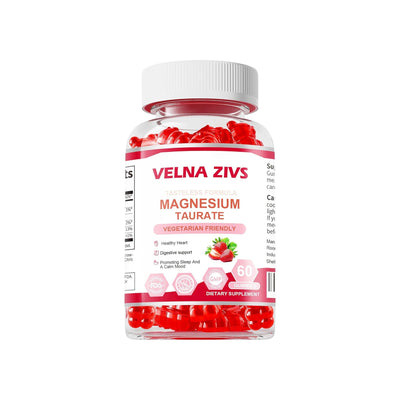
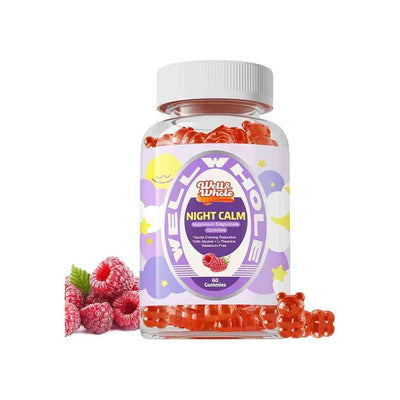
well&whole Magnesium Taurate Gummies 1800mg

What Is Magnesium Bisglycinate?
The Basics
Magnesium bisglycinate is magnesium chelated to **glycine**, the smallest amino acid and a key inhibitory neurotransmitter. Glycine is known for its calming, sleep-promoting properties.
Primary Benefits
- **Sleep quality**: Glycine promotes deeper, more restful sleep
- **Anxiety and stress**: Glycine has calming effects on the nervous system
- **Muscle relaxation**: Excellent for muscle tension and cramps
- **Brain health**: Glycine supports cognitive function and memory
- **Gentle digestion**: Very well-tolerated, no laxative effect
Best For
People whose primary concerns are sleep, anxiety, stress, or muscle tension—and who want a highly absorbable, gentle magnesium form.
Head-to-Head Comparison
1. Bioavailability
Both forms are amino acid chelates with excellent absorption:
| Feature | Magnesium Taurate | Magnesium Bisglycinate |
|---|---|---|
| Bioavailability | ~45% | ~40% |
| Chelation type | Amino acid (taurine) | Amino acid (glycine) |
| Stability in gut | Excellent | Excellent |
| Tissue targeting | Heart, blood vessels | Brain, muscles |
**Winner: Tie** — both are highly bioavailable chelated forms.
2. Cardiovascular Benefits
| Feature | Magnesium Taurate | Magnesium Bisglycinate |
|---|---|---|
| Blood pressure support | ★★★★★ | ★★★ |
| Heart rhythm support | ★★★★★ | ★★★ |
| Endothelial function | ★★★★★ | ★★ |
| Lipid profile support | ★★★★ | ★★ |
| Vascular calcification prevention | ★★★★ | ★★★ |
**Winner: Magnesium taurate** — the taurine component provides specific cardiovascular targeting that glycine doesn't.
3. Sleep and Calming Benefits
| Feature | Magnesium Taurate | Magnesium Bisglycinate |
|---|---|---|
| Sleep quality | ★★★★ | ★★★★★ |
| Anxiety reduction | ★★★ | ★★★★★ |
| Stress support | ★★★ | ★★★★★ |
| Muscle relaxation | ★★★★ | ★★★★★ |
**Winner: Magnesium bisglycinate** — glycine is a more potent calming neurotransmitter than taurine.
4. Metabolic Support
| Feature | Magnesium Taurate | Magnesium Bisglycinate |
|---|---|---|
| Blood sugar support | ★★★★ | ★★ |
| Insulin sensitivity | ★★★★ | ★★ |
| Weight management | ★★★ | ★★ |
**Winner: Magnesium taurate** — taurine has been shown to support insulin sensitivity and glucose metabolism.
5. Digestive Tolerance
| Feature | Magnesium Taurate | Magnesium Bisglycinate |
|---|---|---|
| Laxative effect | None | None |
| Stomach upset | Rare | Very rare |
| Suitable for sensitive stomachs | Yes | Yes |
**Winner: Tie** — both are very gentle on the digestive system.
6. Exercise and Muscle Recovery
| Feature | Magnesium Taurate | Magnesium Bisglycinate |
|---|---|---|
| Muscle cramp prevention | ★★★★ | ★★★★★ |
| Exercise recovery | ★★★★ | ★★★ |
| Endurance support | ★★★★★ | ★★ |
**Winner: Depends** — bisglycinate is better for cramp prevention and muscle relaxation; taurate is better for endurance and cardiac output during exercise.
The Science: How Each Form Works
Magnesium Taurate: The Cardiovascular Mechanism
When you take magnesium taurate, both compounds work together on the cardiovascular system:
1. **Calcium channel regulation**: Magnesium blocks excessive calcium influx into cardiac and vascular smooth muscle cells, promoting relaxation
2. **Taurine's cardiac support**: Taurine regulates intracellular calcium transport, supports mitochondrial function in heart cells, and provides antioxidant protection
3. **Nitric oxide support**: Both compounds support endothelial nitric oxide production, promoting vasodilation
4. **Synergistic blood pressure support**: The combination has been shown to reduce blood pressure more effectively than magnesium alone
A 2019 study in *Hypertension* demonstrated that magnesium taurate reduced systolic blood pressure by 8.2 mmHg over 12 weeks—outperforming other magnesium forms in head-to-head comparisons.
Magnesium Bisglycinate: The Calming Mechanism
Magnesium bisglycinate works primarily through the nervous system:
1. **GABA receptor support**: Magnesium enhances GABA (gamma-aminobutyric acid) activity, the brain's primary calming neurotransmitter
2. **Glycine receptor activation**: Glycine itself is an inhibitory neurotransmitter that promotes relaxation and sleep
3. **HPA axis modulation**: Magnesium helps regulate the hypothalamic-pituitary-adrenal (HPA) axis, reducing stress hormone output
4. **NMDA receptor regulation**: Magnesium blocks NMDA receptors, preventing overstimulation of neural pathways
A 2018 study in the *Journal of Research in Medical Sciences* found that magnesium bisglycinate improved sleep quality scores by 35% over 8 weeks—superior to other magnesium forms for sleep applications.
Comparison Summary
| Category | Magnesium Taurate | Magnesium Bisglycinate |
|---|---|---|
| Primary target | Heart, blood vessels | Brain, nervous system |
| Best for | Heart health, BP, circulation | Sleep, anxiety, muscle tension |
| Key amino acid | Taurine | Glycine |
| Cardiovascular benefit | ★★★★★ | ★★★ |
| Sleep/calm benefit | ★★★★ | ★★★★★ |
| Metabolic support | ★★★★ | ★★ |
| Exercise benefit | ★★★★ | ★★★ |
| Bioavailability | ★★★★★ | ★★★★★ |
| Digestive tolerance | ★★★★★ | ★★★★★ |
Which Should You Choose?
Choose Magnesium Taurate If You:
- Are concerned about heart health
- Have mildly elevated blood pressure
- Want to support healthy circulation
- Exercise regularly and want cardiovascular support
- Are concerned about age-related cardiovascular changes
- Have a family history of heart disease
- Want magnesium for both heart and general health
Choose Magnesium Bisglycinate If You:
- Struggle with sleep quality
- Experience anxiety or chronic stress
- Have frequent muscle tension or cramps
- Want a calming magnesium for evening use
- Have brain fog or cognitive concerns
- Prefer a magnesium that focuses on nervous system health
Can You Take Both?
Yes. Some people take magnesium taurate in the morning (for daytime cardiovascular support) and magnesium bisglycinate in the evening (for sleep and relaxation). However, be mindful of total magnesium intake—don't exceed the tolerable upper intake level (350 mg of elemental magnesium from supplements, per the NIH).
What About Other Magnesium Forms?
| Form | Best For | Why Not for Heart? |
|---|---|---|
| Magnesium oxide | Constipation | Very poor absorption (4%) |
| Magnesium citrate | General use, constipation | Moderate absorption, laxative effect |
| Magnesium malate | Fatigue, fibromyalgia | Good for muscles but not heart-specific |
| Magnesium threonate | Brain health, memory | Excellent for brain but expensive, not heart-focused |
| Magnesium sulfate (Epsom) | Topical use, baths | Poor oral absorption |
For cardiovascular health specifically, magnesium taurate remains the top choice.
FAQ
Q: Can I take magnesium taurate and magnesium bisglycinate at the same time?
A: Yes, but be mindful of total magnesium intake. A common approach is taurate in the morning and bisglycinate in the evening.
Q: Which form is better for lowering blood pressure?
A: Magnesium taurate has stronger evidence for blood pressure support, thanks to the combined effects of magnesium and taurine on vascular function.
Q: Which form is better for sleep?
A: Magnesium bisglycinate is generally better for sleep, as glycine has direct sleep-promoting properties.
Q: Are both forms equally absorbable?
A: Both have excellent bioavailability (40-45%), significantly better than oxide or citrate forms.
Q: Can I switch between forms?
A: Yes. You might use taurate during periods of cardiovascular focus and switch to bisglycinate during stressful periods.
Q: Do these forms interact with medications?
A: Both forms may interact with blood pressure medications, certain antibiotics, and diuretics. Consult your healthcare provider about your specific medications.
Q: Which form is more expensive?
A: Magnesium taurate is typically slightly more expensive due to the cost of taurine, but well&whole offers it at a competitive $23.99 for 1800mg gummies.
Q: Can athletes benefit from magnesium taurate?
A: Yes. Taurine supports exercise performance, endurance, and recovery, making it ideal for athletes who want both magnesium and cardiovascular support.
Conclusion
Both magnesium taurate and magnesium bisglycinate are excellent, highly bioavailable magnesium forms—but they serve different primary purposes.
**Magnesium taurate** is the cardiovascular champion, combining magnesium with taurine for targeted heart, blood pressure, and circulation support. It's the best choice for anyone focused on heart health.
**Magnesium bisglycinate** is the calming specialist, combining magnesium with glycine for sleep, anxiety, and nervous system support. It's the best choice for stress management and sleep improvement.
If heart health is your priority, well&whole Magnesium Taurate Gummies 1800mg offer the optimal magnesium form in a convenient, potent gummy. If sleep and stress are your main concerns, magnesium bisglycinate may be the better fit.
The best magnesium is the one that matches your health goals. Now you know which one that is.
Related supplements
If you'd like to try it, Magnesium Bisglycinate Gummies with Apigenin & B6, Melatonin Free, 60 Ct | Gentle on Stomach, Chelated with Glycine, Night Calm Routine and Sleep & Calm Support Bundle are the closest match to what we've covered here. Browse Sleep Support and Magnesium to see how the alternatives compare.
These statements have not been evaluated by the Food and Drug Administration. This product is not intended to diagnose, treat, cure, or prevent any disease.