Magnesium Taurate vs Glycinate vs Citrate: Full Comparison
Compare magnesium taurate, glycinate, and citrate. Learn which form is best for heart health, sleep, digestion, and absorption in this complete guide.

Walk into any supplement aisle and you'll find a dizzying array of magnesium options: citrate, glycinate, taurate, oxide, malate, threonate, and more. Each form binds magnesium to a different molecule, and that molecule determines how well the magnesium is absorbed, what it's best used for, and how your body responds.
If you're choosing magnesium for cardiovascular support, the decision becomes even more important. Not all magnesium forms deliver the same benefits to your heart and blood vessels. This guide provides a thorough comparison of three popular forms—taurate, glycinate, and citrate—to help you choose the right one for your needs.
Why the Form of Magnesium Matters
Bioavailability Differences
Magnesium supplements consist of the magnesium ion bound to another molecule (a "ligand"). This ligand affects:
- **Absorption rate**: How much magnesium actually enters your bloodstream
- **Bioavailability**: How much reaches your tissues and organs
- **Specific benefits**: The ligand itself may offer health benefits beyond just delivering magnesium
- **Digestive tolerance**: Some forms are gentle on the stomach; others can cause laxative effects
A study published in *Magnesium Research* found that magnesium absorption varies significantly by form, with amino acid chelates (like glycinate and taurate) generally showing superior bioavailability compared to inorganic salts (like oxide).
The Magnesium Deficiency Problem
Before comparing forms, it's worth understanding why magnesium supplementation matters. NHANES data shows that approximately 50–60% of American adults do not meet the estimated average requirement for magnesium through diet alone. This shortfall is particularly relevant for cardiovascular health, as magnesium is involved in:
- Over 300 enzymatic reactions
- Blood vessel tone regulation
- Normal heart rhythm maintenance
- Muscle relaxation (including cardiac muscle)
- Blood pressure already within the normal range
Magnesium Taurate: The Heart Health Specialist
What Is Magnesium Taurate?
Magnesium taurate combines magnesium with taurine, an amino acid found naturally in the heart, brain, and muscles. Taurine is one of the most abundant amino acids in cardiac tissue, where it plays roles in calcium regulation, membrane stabilization, and antioxidant defense.
Cardiovascular Benefits
The combination of magnesium and taurine is particularly compelling for cardiovascular support. Research published in *Amino Acids* and *Hypertension Research* has highlighted several mechanisms:
- **Vascular tone**: Both magnesium and taurine support blood vessel relaxation through complementary pathways. Magnesium acts as a natural calcium channel blocker, while taurine supports nitric oxide production.
- **Blood pressure support**: A meta-analysis in *Nutrients* found that magnesium supplementation may support healthy blood pressure already within the normal range.
- **Cardiac function**: Taurine comprises over 50% of the free amino acid pool in the heart. Research suggests it supports normal heart rhythm and contractile function.
- **Insulin sensitivity**: Both magnesium and taurine have been studied for their roles in supporting healthy blood sugar metabolism, which is closely linked to cardiovascular health.
Who It's Best For
| Best For | Less Ideal For |
|---|---|
| Cardiovascular support | Acute constipation relief |
| Blood pressure support | Budget-conscious buyers (taurate is pricier) |
| People with arrhythmia concerns | Those needing high-dose magnesium |
| Athletes (cardiac output support) | |
Digestive Tolerance
Magnesium taurate is generally well-tolerated and less likely to cause digestive upset compared to citrate or oxide. The amino acid chelate is gentle on the stomach, making it suitable for daily long-term use.
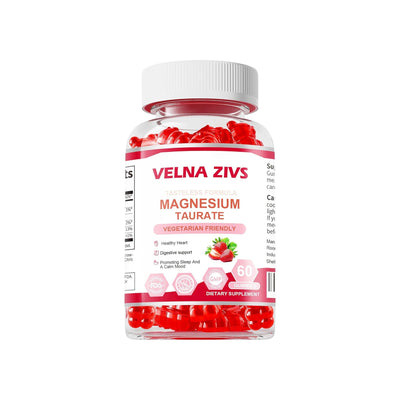
well&whole Magnesium Taurate Gummies 1800mg provide a convenient gummy format that further enhances tolerability and ease of use.

Magnesium Glycinate: The Sleep and Relaxation Form
What Is Magnesium Glycinate?
Magnesium glycinate (also called magnesium bisglycinate) binds magnesium to glycine, the smallest amino acid. Glycine is an inhibitory neurotransmitter that promotes relaxation and supports healthy sleep patterns.
Primary Benefits
- **Sleep quality**: A study in the *Journal of Research in Medical Sciences* found that magnesium supplementation improved sleep quality measures. Glycine itself has been shown to improve subjective sleep quality and reduce daytime sleepiness.
- **Anxiety and stress support**: Glycine acts as an inhibitory neurotransmitter in the central nervous system, promoting a sense of calm.
- **Muscle relaxation**: Supports recovery after exercise and may help with muscle tension.
- **Bone health**: Magnesium is essential for bone mineralization and works alongside calcium and vitamin D.
Absorption and Tolerance
Magnesium glycinate is one of the most bioavailable forms, with the glycine ligand facilitating intestinal absorption. It is also one of the gentlest forms on the digestive system—rarely causing the laxative effect associated with citrate or oxide.
Who It's Best For
| Best For | Less Ideal For |
|---|---|
| Sleep support | Cardiovascular-specific needs |
| Stress and anxiety | Acute constipation |
| Muscle recovery | Those on a tight budget |
| Sensitive digestion | |
Magnesium Citrate: The Digestive Support Form
What Is Magnesium Citrate?
Magnesium citrate binds magnesium to citric acid. It is one of the most common and affordable forms of magnesium supplementation.
Primary Benefits
- **Digestive regularity**: Magnesium citrate draws water into the intestines, which supports bowel movements. It is widely used for occasional constipation.
- **Good absorption**: Citrate is more bioavailable than oxide, with studies showing absorption rates of 25–40%.
- **Affordability**: One of the most cost-effective magnesium forms.
- **Kidney support**: Some research suggests magnesium citrate may support kidney health by helping prevent certain types of stones.
The Laxative Effect
The primary drawback of magnesium citrate is its laxative effect. At higher doses, the osmotic effect in the intestines can cause diarrhea, cramping, and urgency. While this is beneficial for those seeking digestive support, it can be problematic for those taking magnesium for other purposes.
Who It's Best For
| Best For | Less Ideal For |
|---|---|
| Occasional constipation | Daily high-dose supplementation |
| Budget-conscious buyers | People with sensitive digestion |
| Kidney stone prevention | Sleep/cardiovascular focus |
| Quick magnesium repletion | Long-term heart health use |
Head-to-Head Comparison
Summary Table
| Feature | Magnesium Taurate | Magnesium Glycinate | Magnesium Citrate |
|---|---|---|---|
| **Primary benefit** | Cardiovascular support | Sleep & relaxation | Digestive support |
| **Bioavailability** | High | Very high | Good |
| **Digestive tolerance** | Excellent | Excellent | Moderate (laxative) |
| **Best for heart health** | ★★★★★ | ★★★☆☆ | ★★★☆☆ |
| **Best for sleep** | ★★★☆☆ | ★★★★★ | ★★☆☆☆ |
| **Best for digestion** | ★★☆☆☆ | ★★☆☆☆ | ★★★★★ |
| **Best for stress** | ★★★☆☆ | ★★★★★ | ★★☆☆☆ |
| **Laxative risk** | Very low | Very low | Moderate to high |
| **Cost** | Higher | Moderate | Lower |
| **Ligand benefit** | Taurine (heart/vascular) | Glycine (calm/sleep) | Citrate (kidney/digestion) |
Absorption Comparison
A study in the *Journal of the American College of Nutrition* compared magnesium absorption from different forms. The ranking for bioavailability was generally:
1. **Amino acid chelates** (glycinate, taurate) — highest
2. **Citrate** — good
3. **Oxide** — poor (only about 4% absorbed)
Can You Take Multiple Forms Together?
Yes. Some people benefit from combining magnesium forms to address multiple concerns. For example:
- **Morning**: Magnesium taurate for cardiovascular and metabolic support
- **Evening**: Magnesium glycinate for sleep and relaxation
However, be mindful of total daily magnesium intake. The National Institutes of Health recommends:
| Age Group | Recommended Daily Allowance |
|---|---|
| Adult men (19–51+) | 400–420 mg |
| Adult women (19–51+) | 310–320 mg |
| Pregnant women | 350–360 mg |
The tolerable upper intake level from supplements alone is 350 mg per day for adults (additional magnesium from food is generally safe).
Which Magnesium Is Right for You?
For Cardiovascular Health: Choose Taurate
If your primary concern is heart and vascular health, magnesium taurate is the clear choice. The synergy between magnesium and taurine addresses multiple cardiovascular pathways simultaneously—vascular tone, cardiac rhythm, and metabolic support.
well&whole Magnesium Taurate Gummies 1800mg offer a convenient, well-tolerated format specifically designed for cardiovascular support.

For Sleep and Stress: Choose Glycinate
If you're primarily seeking better sleep, reduced anxiety, or muscle relaxation, magnesium glycinate's calming glycine component makes it the superior option.
For Digestive Support: Choose Citrate
If occasional constipation is your main concern, magnesium citrate's osmotic effect provides reliable digestive support at an affordable price.
For General Supplementation: Rotate or Combine
If you want broad magnesium support without a specific target, rotating between forms or choosing a multi-source magnesium product can provide comprehensive coverage.
FAQ
Q: Which magnesium form is best absorbed?
A: Amino acid chelates like glycinate and taurate generally have the highest bioavailability. Citrate is also well-absorbed, while oxide has the lowest absorption rate.
Q: Can magnesium taurate help with sleep?
A: While taurate is not specifically targeted for sleep like glycinate, magnesium in any form may support relaxation and sleep quality. If sleep is your primary goal, glycinate may be a better choice.
Q: Why does magnesium citrate cause diarrhea?
A: Citrate draws water into the intestines through osmosis, which softens stool and stimulates bowel movements. At higher doses, this effect can cause diarrhea.
Q: Can I take magnesium taurate with blood pressure medication?
A: Magnesium may support healthy blood pressure, which could complement certain medications. However, always consult your healthcare provider before combining supplements with prescription medications.
Q: Is 1800mg of magnesium taurate the same as 1800mg of elemental magnesium?
A: No. The total compound weight includes both magnesium and taurine. Check the label for elemental magnesium content. well&whole Magnesium Taurate Gummies clearly list the magnesium content per serving.
Q: Can I take magnesium at night?
A: Yes. Taking magnesium in the evening is a popular choice, especially glycinate, as it may support relaxation and sleep quality. Taurate can also be taken in the evening.
Q: Are gummy magnesium supplements as effective as capsules?
A: Quality gummy supplements can be just as effective as capsules, and many people find them easier to take consistently. The key is choosing a product with adequate elemental magnesium per serving.
Q: How long does it take to feel the effects of magnesium?
A: Some people notice relaxation or sleep benefits within a few days. Cardiovascular and metabolic support may take 4–8 weeks of consistent use to show measurable effects.
Conclusion
The form of magnesium you choose matters more than most people realize. While all forms provide this essential mineral, the ligand determines where and how magnesium works in your body.
For cardiovascular support, magnesium taurate stands apart. The synergy between magnesium and taurine addresses the specific pathways that matter most for heart health—vascular tone, cardiac rhythm, and metabolic function. well&whole Magnesium Taurate Gummies 1800mg make it easy to incorporate this specialized form into your daily routine.
For sleep and stress, glycinate is the champion. For digestive support, citrate gets the job done. And for comprehensive heart health, taurate delivers targeted support that no other form can match.
Choose the form that aligns with your goals, commit to consistent daily use, and give your body the magnesium it needs to function at its best.
Related supplements
Should you decide to supplement, Magnesium Taurate Gummies 1800mg, Magnesium Taurate Supplement, High Absorption& chewable for Kid and Adults, is our formulation for this purpose. For a broader comparison, see the Magnesium Taurate and Magnesium collections.
These statements have not been evaluated by the Food and Drug Administration. This product is not intended to diagnose, treat, cure, or prevent any disease.