Magnesium Glycinate for Hair and Nails

Magnesium glycinate is not a hair or nail supplement in the way iron or zinc are, and no controlled trial has shown that taking it regrows hair or thickens nails. What it does is sit inside the machinery that builds protein. Magnesium is required for the enzymes that synthesise keratin and collagen, and it is bound to ATP, the energy currency every dividing cell in a hair follicle depends on. If your magnesium status is genuinely low, fixing it supports the process. If it is not, adding more will mostly give you expensive urine.
That is the honest framing, and it is worth holding onto before you buy anything with a hair claim on the front.
Why hair and nails act as a status readout
Both structures are fast-growing and non-essential, which makes them the first place the body cuts corners. A hair follicle cycles through growth, transition and rest phases over roughly three to six months, and it demands a steady supply of energy, protein and cofactors throughout. When intake of a required nutrient falls short, the follicle shifts into rest earlier and the visible result shows up two to four months later.
Where magnesium actually fits
Three mechanisms are relevant, and they are supporting roles rather than starring ones.
- Protein synthesis. Magnesium activates a long list of enzymes involved in translating genetic instructions into protein, including the enzymes that cross-link keratin in the nail plate and hair shaft.
- Energy production. Every molecule of ATP in the body exists as a magnesium-ATP complex. Hair follicles are among the most metabolically active structures in the skin, so anything that limits ATP production limits them first.
- Calcium regulation. Magnesium is required for normal parathyroid hormone function and vitamin D activation. When magnesium status is low, calcium and vitamin D handling both become less reliable.
None of that means magnesium deficiency is a common cause of thin hair. Frank magnesium deficiency is uncommon in people eating a varied diet, and the symptoms it does produce, such as muscle cramps, twitching and fatigue, are usually more obvious than hair changes.
What the evidence shows, and what it does not
The direct evidence is thin. Observational studies have linked lower magnesium intake with diffuse hair shedding, but these studies cannot separate magnesium from the many other things that track with a better diet. There is no randomised trial of magnesium supplementation with hair density or nail strength as a primary outcome.
Where magnesium earns its place is combination and deficiency work. Magnesium is commonly included in hair-support formulas alongside zinc, biotin, selenium and B vitamins, and the trials that show benefit are trials of the combined formula, not of magnesium alone. Those results should be read as a group effect.
The nutrients with stronger hair-and-nail evidence
| Nutrient | What the evidence supports | Worth testing first? |
|---|---|---|
| Iron (ferritin) | Low ferritin is one of the most common reversible causes of diffuse shedding, particularly in menstruating women | Yes, with a ferritin blood test |
| Zinc | Deficiency causes hair loss and nail changes; supplementation helps when status is low, and can cause problems when it is not | Yes, if intake is poor or loss is unexplained |
| Protein | Hair and nails are protein structures; chronically low intake or rapid weight loss reliably affects both | Yes, as a dietary review |
| Biotin | Effective in genuine biotin deficiency, which is rare; no benefit demonstrated in people with normal status and it can distort thyroid lab tests | No, unless deficiency is documented |
| Vitamin D | Low status has been associated with shedding in several studies, though trial results are mixed | Reasonable to check, especially in winter |
| Magnesium | Mechanistically required for protein synthesis and energy production; no direct outcome trial | Consider if intake is low or symptoms suggest low status |
Read that table in order. If your hair is thinning, ferritin, thyroid function, protein intake and rapid weight change explain far more cases than magnesium does.
Why glycinate specifically
If you are going to take magnesium as part of a broader hair and nail strategy, the form you pick is decided by tolerance rather than by any hair-specific advantage.
Magnesium glycinate, also labelled bisglycinate, is magnesium bound to two glycine molecules. It is absorbed well, it is unusually gentle on the digestive tract, and it does not produce the laxative effect that makes high-dose oxide and citrate impractical for long-term use. Glycine itself is an inhibitory neurotransmitter, which is part of why this form is popular for evening dosing and for people who also care about sleep quality.
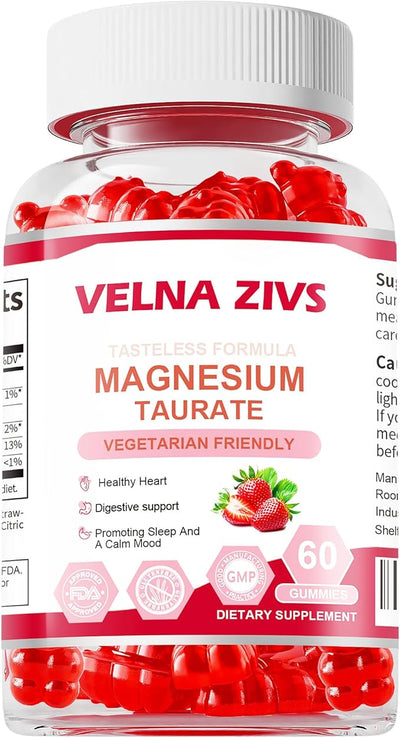
Citrate is a reasonable alternative if constipation is part of your pattern. Oxide is the form most supplements use to keep costs down and the one with the poorest absorption, roughly 4 percent. Taurate is another well-absorbed option and is often chosen when cardiovascular or tension-related symptoms are the main concern.
How much, and how long to wait
Typical supplemental intake is 200 to 350 mg of elemental magnesium per day, with the tolerable upper limit for adults set at 350 mg from supplements. Splitting the dose between morning and evening reduces digestive side effects and keeps blood levels steadier. Take it at least two hours away from iron tablets, thyroid medication and certain antibiotics.
The timeline is the part most people get wrong. A hair follicle needs months to respond, a fingernail takes four to six months to grow out completely, and toenails take longer. Give any nutrient intervention a full three months before judging it, and photograph the same nail and the same part of your scalp in the same light at the start, so you have something to compare against.
Key takeaways
- Magnesium is required for protein synthesis and energy production in hair follicles, but no trial has shown supplementation regrows hair in people with normal status.
- Ferritin, thyroid function, protein intake and rapid weight loss explain far more cases of shedding than magnesium does.
- Magnesium glycinate is chosen for tolerance rather than hair-specific benefit; it is well absorbed and rarely laxative.
- 200 to 350 mg of elemental magnesium daily, split across the day, is a typical range; allow three months before judging results.

Frequently asked questions
Does magnesium glycinate help hair grow?
Indirectly, if your magnesium intake is low. Magnesium is needed for protein synthesis and for ATP, so a genuine shortfall can affect fast-growing tissue. In people with adequate status, there is no evidence that extra magnesium increases hair growth.
Can magnesium help with brittle nails?
Brittle nails are usually caused by repeated wetting and drying, harsh soaps, or low protein and iron intake rather than magnesium. Magnesium supports the enzyme reactions that cross-link keratin, so it belongs in the picture, but it is rarely the single fix.
How long does magnesium take to affect hair and nails?
Months, not weeks. Hair grows about one centimetre a month and a fingernail takes four to six months to replace itself, so any real change appears on a quarterly timeline. Photograph the same spot in the same light before you start.
Should I take magnesium with biotin for hair?
There is no interaction to worry about, but the combination is not evidence based. Biotin only helps when someone is genuinely deficient, which is rare, and it can interfere with thyroid and cardiac lab tests. If you are taking it, tell your clinician before blood work.
Related supplements
Should you decide to supplement, Magnesium Bisglycinate Gummies with Apigenin & B6, Melatonin Free, 60 Ct | Gentle on Stomach, Chelated with Glycine, Night Calm Routine is our formulation for this purpose. For a broader comparison, see the Sleep Support and Magnesium collections.
These statements have not been evaluated by the Food and Drug Administration. This product is not intended to diagnose, treat, cure, or prevent any disease. Talk to a healthcare professional before starting any new supplement, especially if you are pregnant, nursing, taking medication, or managing a health condition.