Magnesium Glycinate and Magnesium Taurate Benefits Compared
Compare magnesium glycinate and magnesium taurate for sleep heart health absorption and gentle digestion

Back to Basics: Why the "Partner" Molecule Matters
When you shop for magnesium supplements in the United States, you will quickly notice that the word "magnesium" is always followed by another word like glycinate, taurate, citrate, or oxide. You are never just buying straight magnesium.
In its raw elemental form, magnesium is highly unstable. To make it safe and stable for human consumption, chemists must bind it to another molecule. The specific "partner" molecule chosen changes how your body absorbs the mineral and determines exactly where that magnesium goes to work.
What is Chelated Magnesium?
If you want the most value out of your dietary supplements, you need to look for chelated magnesium. Chelation is a specialized bonding process that attaches magnesium to an amino acid or organic acid.
Instead of breaking down prematurely in your digestive tract—which often causes a laxative effect—amino acid chelates pass through your stomach intact. Your body recognizes the attached amino acid partner and readily absorbs the entire complex through your intestinal wall, leading to vastly superior bioavailability and absorption.
The Co-Pilot Effect
Think of the partner molecule as a co-pilot that steers the magnesium to specific tissues in your body. While the magnesium relaxes your cells, the binding molecule delivers its own distinct health benefits.
- Glycine: A calming amino acid that signals the brain to rest.
- Taurine: An amino acid that supports heart tissue and blood vessel elasticity.
Choosing between magnesium glycinate and magnesium taurate comes down to matching the partner molecule to your personal health goals.
Deep Dive: Magnesium Glycinate (The Relaxation Master)

When clients ask me how to calm a racing mind or soothe tight muscles, magnesium glycinate is always my first recommendation. This specific form combines elemental magnesium with glycine, a calming amino acid. It is one of the most popular dietary supplements on the US market today because it delivers noticeable results without the typical digestive side effects.
The Chemistry
Magnesium glycinate (often labeled as magnesium bisglycinate) is an amino acid chelate. In this structure, two glycine molecules surround a single magnesium ion. This chemical bond shields the magnesium from reacting with other elements in your stomach, keeping the compound highly stable and ready for optimal absorption.
Primary Mechanism of Action
- GABA Receptor Activation: Glycine acts as an inhibitory neurotransmitter in the brain. It binds to GABA receptors, which helps quiet down overstimulated nerve cells.
- Cortisol Regulation: This compound helps manage the body's stress response by regulating cortisol output.
- NMDA Receptor Blocking: It blocks NMDA receptors in the brain, preventing glutamate (an excitatory neurotransmitter) from causing mental overwhelm.
Key Health Benefits
| Benefit Area | How It Helps |
|---|---|
| Sleep Quality and Insomnia | Improves sleep architecture, helping you fall asleep faster and stay in a deep sleep state longer. |
| Nervous System Regulation | Reduces daily anxiety, mental chatter, and chronic stress levels. |
| Muscle Cramps and Recovery | Relaxes tight muscle tissue and reduces nighttime leg cramps after workouts. |
Digestive Profile
The biggest downside to older forms of magnesium, like magnesium oxide, is that they pull water into the bowel and cause diarrhea. Magnesium glycinate completely solves this issue. Because the glycine bond remains intact through the digestive tract, it is incredibly gentle on the stomach and boasts massive bioavailability and absorption rates without any laxative effect.
Deep Dive: Magnesium Taurate (The Cardiovascular Champion)
The Chemistry
Magnesium taurate is an amino acid chelate formed by bonding magnesium to taurine, a sulfur-containing amino acid highly concentrated in heart and muscle tissues. When you take this form, the magnesium and taurine separate during digestion, allowing both active compounds to work simultaneously in your body.
Primary Mechanism of Action
This specific combination targets the cardiovascular system. Magnesium acts as a natural calcium channel blocker, helping blood vessels relax, while taurine helps regulate intracellular calcium and potassium levels. Together, they stabilize cell membranes and reduce osmotic stress on vascular walls.
Key Health Benefits
For users focused on heart health and metabolic support, magnesium taurate delivers targeted, high-impact results.
- Heart Rhythm Stability: Supports consistent electrical conductivity in cardiac tissue to prevent irregular beats.
- Blood Pressure Management: Encourages healthy vasodilation to help maintain normal blood pressure ranges.
- Vascular Protection: Reduces oxidative stress within blood vessels, supporting long-term arterial elasticity.
- Metabolic Synergy: Taurine aids in insulin sensitivity, making this form highly beneficial for blood sugar support.
Digestive Profile
Because it utilizes a specialized amino acid pathway for absorption, magnesium taurate is incredibly gentle on the stomach. It boasts high bioavailability and absorption rates without drawing excess water into the bowel, meaning you get maximum cardiovascular support with virtually zero risk of running into a laxative effect or digestive discomfort.
| Feature | Performance Profile |
|---|---|
| Primary Target | Cardiovascular & Vascular System |
| Absorption Efficiency | Very High (Amino Acid Pathway) |
| Stomach Tolerance | Excellent (Non-laxative) |
| Key Active Co-Pilot | Taurine (Cardioprotective Amino Acid) |
Head-to-Head Comparison: Magnesium Glycinate vs. Magnesium Taurate
Choosing between magnesium glycinate and magnesium taurate comes down to your primary health goals. Both are elite, highly bioavailable amino acid chelates that are exceptionally gentle on the stomach, but they target completely different pathways in the body.
Direct Comparison Matrix
| Feature | Magnesium Glycinate | Magnesium Taurate |
|---|---|---|
| Primary Focus | Nervous system regulation & sleep quality | Cardiovascular support & heart rhythm stability |
| Bound Amino Acid | Glycine (calming neurotransmitter support) | Taurine (vascular and muscle cell support) |
| Best For | Insomnia, chronic stress, and muscle cramps | High blood pressure and overall heart health |
| Absorption Rate | Extremely high | Extremely high |
| Digestive Impact | Very gentle; minimal laxative effect | Very gentle; minimal laxative effect |
The Deciding Factor
The deciding factor rests on whether your body needs a neurological chill-pill or a cardiovascular shield.
- Pick Magnesium Glycinate if your brain won't shut off at night. The glycine bound to the magnesium acts as an inhibitory neurotransmitter, promoting deep relaxation and better sleep quality without causing digestive distress.
- Pick Magnesium Taurate if you are looking to optimize blood pressure management and blood vessel elasticity. The synergistic pairing with taurine makes it the ultimate choice for vascular health and steady heart performance.
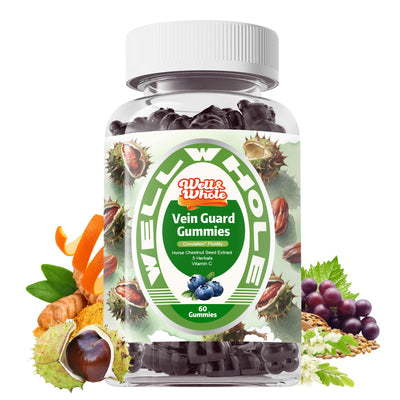
If you are dealing with heavy legs, poor lower-body circulation, or structural vein issues alongside your magnesium routine, integrating targeted circulation supplements like horse chestnut extract gummies can provide a powerful dual-action approach to vascular wellness.
Stacking Them Together: Can You Take Both?
You do not have to choose between magnesium glycinate and magnesium taurate. Taking them together is a highly effective way to address multiple wellness goals simultaneously.
The Synergistic Approach
Combining these two forms creates a comprehensive wellness protocol. While magnesium bisglycinate focuses on calming the nervous system regulation, magnesium taurate delivers targeted cardiovascular support. By stacking them, you ensure your body receives optimal daily dosage coverage for both mental relaxation and physical performance without overloading a single absorption pathway.
The Benefits of a Combined Formula
Using a joint routine maximizes the benefits of both amino acid chelates.
- Dual-Action Support: Simultaneously targets sleep quality and heart rhythm stability.
- Enhanced Absorption: Uses different transport pathways in the gut, maximizing total dietary supplements intake.
- Comprehensive Recovery: Reduces muscle cramps while supporting healthy blood pressure management.
| Magnesium Form | Primary Target | Main Benefit |
|---|---|---|
| Magnesium Glycinate | Nervous System | Calming neurotransmitter (GABA) support, sleep, and muscle recovery |
| Magnesium Taurate | Cardiovascular System | Vascular tone, heart muscle efficiency, and cellular energy |
What to Look For
When selecting a combined routine or a multi-magnesium blend, look for clean labels that clearly state the supplemental elemental magnesium weight rather than just the total compound weight. Ensure the product is entirely chelated magnesium to guarantee it remains gentle on the stomach.
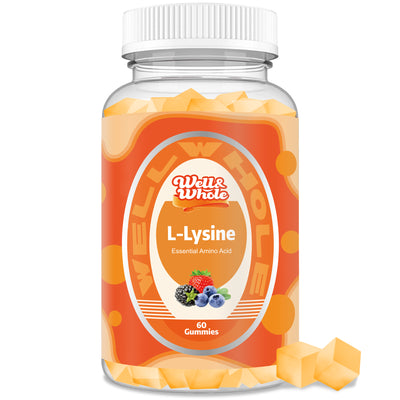
For total body recovery, pairs well with fundamental nutrients like L-lysine 1000mg essential amino acid supplement gummies to support lean muscle tissue maintenance and immune health alongside your mineral protocol. Avoid formulas packed with synthetic binders, heavy fillers, or artificial flavors that hinder bioavailability and absorption.
How to Optimize Your Magnesium Routine
Getting the most out of magnesium glycinate and magnesium taurate requires a strategic approach. It is not just about popping a capsule; it comes down to precise math, smart scheduling, and knowing how your body responds.
Understanding Elemental Weight
When you look at a supplement label, the total milligrams listed can be misleading. You need to focus on the supplemental elemental magnesium—the actual amount of pure magnesium your body absorbs after separating from the amino acid carrier.
- The Weight vs. Yield Rule: A capsule containing 500 mg of magnesium bisglycinate might only yield 50 mg to 100 mg of actual elemental magnesium.
- The Label Check: Always inspect the "Supplement Facts" panel for the phrase "as elemental magnesium" to ensure you hit your optimal daily dosage (typically 300–420 mg for adults, depending on age and gender).
- Amino Acid Chelates: Because both glycinate and taurate are premium amino acid chelates, they offer superior bioavailability and absorption compared to cheap oxides or sulfates, meaning you get more functional mineral per milligram.
Timing Your Doses
To maximize the targeted benefits of these two forms, split and time your intake based on your daily biological rhythm.
- Morning / Pre-Workout (Magnesium Taurate): Take taurate early in the day or right before a training session. Its relationship with cardiovascular support and heart rhythm stability makes it ideal for managing daytime physical stress and supporting blood pressure management.
- Evening / Before Bed (Magnesium Glycinate): Save your glycinate dose for roughly 30 to 60 minutes before sleep. The glycine component acts as a calming neurotransmitter (GABA) booster, making it a powerhouse for improving sleep quality and insomnia.
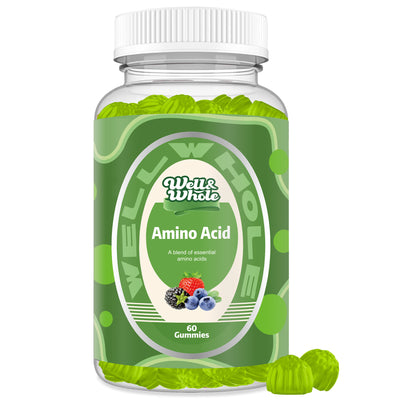
- With or Without Food: Both forms are highly stable, but taking them with a light meal can further streamline assimilation and prevent any potential transit issues. If you utilize other foundational nutrients in your routine, like essential amino acids from EAA gummies, keeping your mineral timing consistent helps maintain steady metabolic balance throughout the day.
Safety, Side Effects, and Contraindications
While chelated magnesium is remarkably safe for long-term daily use, smart supplementation requires awareness of how it interacts with your system.
- Digestive Profile: Both glycinate and taurate are famously gentle on the stomach. Unlike magnesium oxide, they rarely trigger a laxative effect or cause abdominal cramping because they utilize specific amino acid pathways for absorption rather than drawing excess water into your bowel.
- Common Side Effects: Exceeding the upper tolerance limit can occasionally cause mild drowsiness (primarily from the glycinate) or loose stools. If this occurs, scale back your daily intake and scale up slowly.
- Contraindications: Anyone with severe kidney disease or renal insufficiency must consult a physician before starting a routine, as compromised kidneys struggle to clear excess magnesium from the bloodstream.
- Interactions: Magnesium can bind to certain medications, reducing their effectiveness. Space your doses at least two hours apart from antibiotics (like tetracyclines and fluoroquinolones) and osteoporosis medications (bisphosphonates).
Related supplements
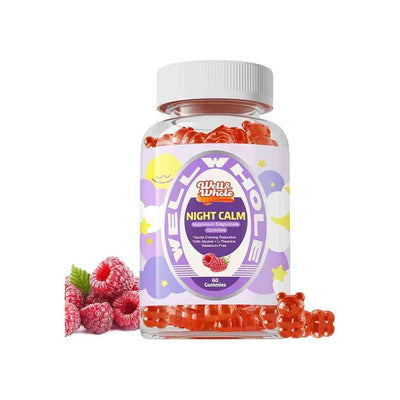
Should you decide to supplement, Magnesium Bisglycinate Gummies with Apigenin & B6, Melatonin Free, 60 Ct | Gentle on Stomach, Chelated with Glycine, Night Calm Routine and Sleep & Calm Support Bundle are our formulation for this purpose. For a broader comparison, see the Sleep Support and Magnesium collections.
These statements have not been evaluated by the Food and Drug Administration. This product is not intended to diagnose, treat, cure, or prevent any disease.