Magnesium Bisglycinate vs Glycinate: Same Thing or Not?

Type "magnesium glycinate" into a search box and you will find "magnesium bisglycinate" on half the results, often at a higher price, sometimes with a claim that it is superior. Are they different molecules, or is this a labelling quirk that got out of hand? The honest answer sits somewhere in the middle, and it matters mainly because it tells you how to read a label.
Start with the chemistry
Glycine is the simplest amino acid. When magnesium is bound to glycine, the result is a chelate — a stable ring-like structure in which the mineral is held between molecules. In practice, when this reaction runs, each magnesium ion tends to associate with two glycine molecules.
Two glycines. Bis-glycinate. So "magnesium bisglycinate" is simply the more chemically precise name for the thing most people call magnesium glycinate. The prefix "bis" means two, and it is describing exactly what is in the bottle.
So why do both names exist?
Mostly habit, and partly marketing. "Magnesium glycinate" is shorter, easier to say, and won the battle for consumer vocabulary. "Magnesium bisglycinate" is the phrasing you see more often in technical literature and in patent filings, including the well-known chelate processes that popularised the form.
Because the longer name sounds more technical, some brands lean on it to imply a difference that is not really there. That does not mean every product using the name is misleading — plenty of reputable manufacturers simply prefer the precise term. It means the name alone is not evidence of a better product.
Where there is a real difference
Naming aside, three things genuinely separate one magnesium glycinate product from another.
- Elemental magnesium per serving. Two glycine molecules are relatively heavy, so the chelate delivers a modest percentage of actual magnesium by weight. A capsule that contains 500 mg of magnesium bisglycinate might supply only around 100 mg of elemental magnesium. Reputable brands state this figure; vague ones hide behind the compound weight.
- Whether it is fully reacted. Some cheaper products are "buffered" — a mix of magnesium oxide and glycine that has not fully formed the chelate. These can behave more like magnesium oxide in the gut, which defeats the point of choosing a gentle form in the first place.
- What else is in the formula. This is where products diverge meaningfully. A straight magnesium glycinate is one thing; a formula that adds vitamin B6 and a botanical such as apigenin is designed for a different job entirely.
Why glycine itself is the point
The reason this form has a sleep-adjacent reputation is not just that it is well absorbed — it is that glycine is itself a signalling molecule. Glycine acts as an inhibitory neurotransmitter in parts of the central nervous system, and it has been studied for its effect on core body temperature, which naturally drops as you fall asleep. That combination is why glycinate, rather than citrate or oxide, became the default recommendation for evening use.
None of this makes it a sedative. It is not melatonin, it does not switch you off, and it does not create the morning grogginess that some people get from antihistamine-based sleep aids. The realistic expectation is a subtle shift in how easily you settle, noticed over weeks rather than on night one.
Reading a label in under thirty seconds
- Find the elemental magnesium number. If it is not stated, be cautious.
- Check whether the front of the bottle advertises the compound weight — that number is always bigger and always less meaningful.
- Look at the "other ingredients." If magnesium oxide appears high on the list, you are likely looking at a buffered product.
- Decide whether you want magnesium alone or a formula. If sleep is the goal, look for whether B6 or botanicals have been added, and ask whether you want them.
FAQ
Is bisglycinate absorbed better than glycinate?
Not meaningfully, because in most commercial products they are the same compound under two names. Absorption differences between brands come far more from whether the chelate is fully reacted than from which name is printed.
Why is bisglycinate sometimes more expensive?
Pricing reflects manufacturing quality, third-party testing, and branding more than it reflects the name. Compare elemental magnesium per dollar rather than the headline milligram figure.
Is it safe to take nightly?
For most adults with normal kidney function, yes. Kidney function is the governing factor because it determines how efficiently excess magnesium is cleared. If you have any degree of kidney impairment, this is a question for your doctor, not a label.
Should I take it with food?
Most people tolerate it better with a meal, though it is among the least likely forms to cause digestive complaints. Consistency matters more than the precise hour.
The short version
Magnesium bisglycinate and magnesium glycinate are, in the overwhelming majority of cases, the same chelate described with different precision. Stop optimising for the name. Optimise for the stated elemental magnesium, the absence of oxide filler high in the ingredient list, and whether the rest of the formula matches what you are actually trying to do. If a calmer evening is the goal, look at formulas built specifically around sleep support rather than a plain mineral capsule.
Where to start
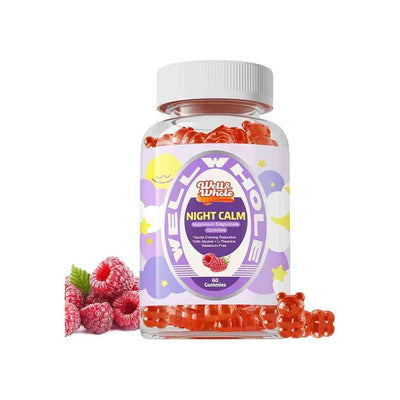
If you want to try it, our Magnesium Bisglycinate Gummies with Apigenin and B6 is formulated for this purpose. You can browse the full related collection to compare options.
These statements have not been evaluated by the Food and Drug Administration. This product is not intended to diagnose, treat, cure, or prevent any disease. Talk to a healthcare professional before starting any new supplement, especially if you are pregnant, nursing, taking medication, or managing a health condition.
These statements have not been evaluated by the Food and Drug Administration. This product is not intended to diagnose, treat, cure, or prevent any disease.