lysine what does it do

Lysine: Unveiling What This Amino Acid Can Do for You
If you’ve ever browsed the supplement aisle or searched for natural ways to support your immune system, you’ve probably come across lysine. It’s frequently mentioned in the same breath as vitamin C and zinc, yet lysine stirs up its own share of curiosity. So, what does lysine do once it enters your body, and why do so many people trust it for daily wellness? Let’s walk through the science and real-world benefits of this essential amino acid without the hype.
The Foundation: Lysine as a Building Block of Life
Lysine belongs to the exclusive club of nine essential amino acids, meaning your body can’t synthesize it—you have to obtain it from food or supplements. Once absorbed, lysine drives protein synthesis, repairing muscle tissue after exercise, supporting growth during childhood, and preserving lean body mass as you age. Beyond muscle, it helps manufacture carnitine, a molecule that transports fatty acids into your cells’ mitochondria to be burned for energy, which can subtly boost stamina. Perhaps its most underappreciated role is how it enhances calcium absorption in the intestines. Without enough lysine, even a diet loaded with calcium may not translate into stronger bones, since the mineral passes through partially unabsorbed.
Key takeaway: Lysine acts as a cornerstone for muscle repair, daily energy metabolism, and optimal calcium utilization—vital for anyone invested in active living and long-term skeletal health.
Immune Defense and Managing Cold Sores
A large body of research zeroes in on lysine’s relationship with the herpes simplex virus, the usual trigger behind cold sores. The virus depends on another amino acid, arginine, to multiply. Lysine competes with arginine for cellular entry and metabolism, effectively throwing a wrench into the virus’s replication machinery. Clinical observations repeatedly note that consistent lysine supplementation can reduce the frequency, duration, and severity of cold sore outbreaks. Many people start taking lysine at the very first tingle to stop a blister from fully forming. While it’s not a cure, it gives you a gentle, nutritional layer of defense. If you look into lysine for cold sores prevention, you’ll discover that individuals prone to recurrent sores often keep it on hand during stressful periods or after intense sun exposure.
In a nutshell: Lysine disrupts the viral replication cycle and offers a dietary strategy that has helped countless people manage cold sore flare-ups without relying exclusively on topical creams.
Collagen Production, Skin Health, and Beyond
Radiant, resilient skin leans heavily on collagen, and lysine is a non-negotiable partner in that process. It helps cross-link collagen fibers, giving skin its firmness, elasticity, and the capacity to heal wounds efficiently. When lysine runs low, your body’s collagen scaffold can weaken, which may accelerate the appearance of fine lines. Dig deeper, and you’ll see that lysine also nourishes tendons, cartilage, and even tooth dentin. Because it improves calcium bioavailability, lysine quietly supports osteoporosis prevention. Athletes and older adults alike benefit from the way it shores up connective tissue. Adopting lysine for skin and collagen support is becoming a popular inside-out approach to beauty, complementing topical skincare with foundational nutrition.
Bottom line: Whether your goal is youthful-looking skin, resilient joints, or stronger bones, lysine powers the collagen machinery that keeps your body’s structural framework in peak condition.
Food or Supplements? Bringing Lysine into Your Daily Life
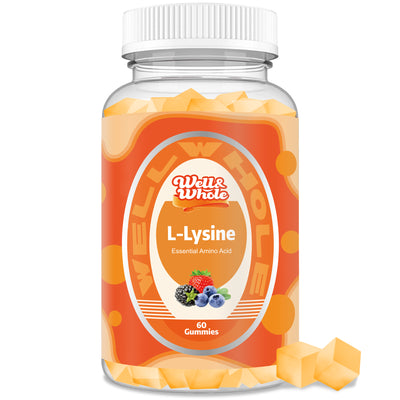
You can find lysine in protein-rich staples: chicken, turkey, fish, eggs, dairy, and legumes like lentils and chickpeas. Quinoa and pumpkin seeds offer respectable plant-based amounts. That said, strict vegans, athletes with high protein turnover, or those with demanding schedules can still fall short. Subtle deficiency signs—fatigue, brain fog, hair thinning—are easy to overlook. Cooking and processing also degrade some lysine content, making dietary intake less reliable than it appears on paper. This is where a high-quality L-lysine supplement fills the gap seamlessly. well&whole, for instance, formulates pure L-lysine supplements under rigorous quality controls, free from unnecessary fillers and binders. When evaluating the best lysine supplement for daily use, focus on clean labels, a sensible dose (typically 500 mg to 1,000 mg), and evidence of third-party testing. Pairing a trustworthy supplement like well&whole L-lysine with a balanced diet keeps your levels steady—especially during periods of stress, travel, or heightened physical demand.
Key point: Whole foods should remain your foundation, but a transparent, dependable supplement such as well&whole L-lysine delivers consistent support when life makes optimal eating a challenge.
Lysine isn’t a fleeting trend—it’s a core nutrient woven into your immune defenses, skin integrity, and everyday vitality. Giving it the attention it deserves, whether through smart food choices or a reliable supplement, can be a surprisingly simple upgrade with lasting rewards.
Frequently Asked Questions About Lysine
Q: Can I take lysine every day?
A: Yes, daily lysine supplementation is considered safe for most healthy adults at typical dosages of 500 mg to 3,000 mg. If you have a kidney or liver condition, it’s best to speak with your healthcare provider first.
Q: What are the earliest signs I might need more lysine?
A: Early hints can include lingering tiredness, difficulty concentrating, slow wound healing, and even hair thinning. Since these symptoms overlap with many issues, a diet review or lab test guided by a professional is the most reliable way to assess your status.
Q: Does lysine interact with calcium or other minerals?
A: Actually, lysine works in harmony with calcium—it boosts absorption and helps direct calcium into your bones. There are no known negative interactions with minerals; in fact, combining lysine with a calcium supplement may improve its effectiveness. As always, follow dosage guidelines and consult a professional for personalized guidance.
These statements have not been evaluated by the Food and Drug Administration. This product is not intended to diagnose, treat, cure, or prevent any disease.