Lysine Vitamin Supplement Guide Benefits Dosage and Safety
Discover what a lysine vitamin supplement is benefits dosage side effects and how to choose quality L lysine for cold sores

You might have spotted the phrase lysine vitamin supplement trending in wellness circles lately and wondered what the hype is about.
First, a quick clarification: while many people call it a vitamin, L-lysine is actually an essential amino acid—a foundational protein building block that your body desperately needs but absolutely cannot produce on its own.
Whether you are looking for a reliable way to manage herpes simplex virus and clear up cold sores, trying to naturally boost collagen production, or looking to enhance your immune system support, this single nutrient does a lot of heavy lifting.
At well&whole, we believe a holistic approach to daily wellness starts with understanding these foundational cellular heroes.
In this quick, science-backed blueprint, you will learn exactly how L-lysine benefits your body, the truth behind the arginine vs lysine balance, and how to safely navigate a daily lysine dosage for real results.
Let's dive right in.
What is L-Lysine and Why Does the Body Need It?
When we think about staying healthy, vitamins usually get all the spotlight. But there is a foundational building block that your body absolutely depends on every single day: L-lysine.
As an essential amino acid, your body cannot produce lysine on its own. This means you have to get it through your diet or a high-quality lysine vitamin supplement. Without it, your body simply cannot perform the basic daily repairs it needs to keep you feeling your best.
The Biology Brief
In simple terms, amino acids are the building blocks of protein. Because L-lysine is an essential amino acid, a dietary lack can quickly lead to an amino acid deficiency. When your intake drops, your cellular repair slows down, directly impacting your immune system, skin health, and energy levels.
Primary Biological Roles
I always tell our community that lysine is a multitasker. It does not just do one job; it acts as a foundation for several critical body functions.
- Collagen Production Booster: Lysine works alongside Vitamin C to build collagen, which keeps your skin firm and your joints moving smoothly.
- Immune System Support: It helps manufacture antibodies that defend your body against external threats.
- Calcium Absorption: Lysine helps your gut absorb calcium properly and ensures your kidneys hold onto it, protecting your bones.
Signs of Lysine Deficiency
How do you know if your body is running low? An amino acid deficiency shows up in very specific, frustrating ways that disrupt your daily life.
| Deficiency Sign | What It Feels Like |
|---|---|
| Chronic Fatigue | Feeling wiped out even after a full night of sleep. |
| Slow Healing | Minor cuts, scrapes, or athletic injuries taking forever to recover. |
| Skin Breakouts | Frequent, unprompted skin irritations and slow tissue repair. |
| Mood Fluctuations | Unexplained irritability and difficulty managing daily stress. |
Top 5 Science-Backed Health Benefits of Lysine Supplements
Taking a high-quality lysine vitamin supplement offers a range of proven health advantages. As an essential amino acid, your body cannot produce it on its own, meaning you must get it through diet or targeted supplementation.
Here is a breakdown of how incorporating daily lysine can optimize your physical well-being.
1. Managing and Preventing Cold Sores (HSV-1)
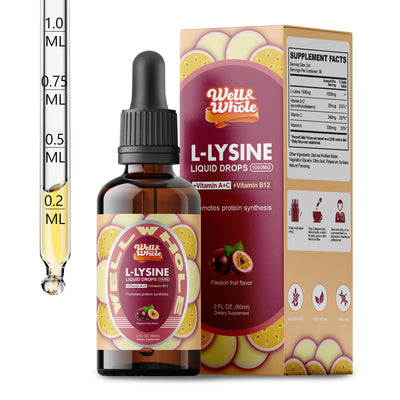
One of the most popular reasons people search for an L-lysine benefits guide is for herpes simplex virus management. Lysine plays a critical role in blocking arginine, another amino acid that the virus requires to replicate. Keeping your lysine-to-arginine ratio high helps cut down the frequency, duration, and severity of stubborn breakouts. For those who prefer an easy, fast-absorbing daily routine, utilizing l-lysine supplement liquid drops provides a highly bioavailable way to keep these outbreaks at bay.
2. Enhanced Collagen Synthesis & Wound Healing
Lysine acts as a natural collagen production booster. Without adequate lysine levels, your body struggles to build the foundational scaffolding required for healthy skin, tendons, and cartilage. It accelerates tissue repair, making it indispensable for rapid wound healing and maintaining skin elasticity as you age.
3. Optimizing Calcium Absorption and Retention
Your bones rely heavily on calcium absorption to stay strong and dense. Lysine helps the gut absorb calcium more efficiently while simultaneously reducing the amount of the mineral lost through urine. This dual action ensures that the calcium you consume actually goes toward reinforcing your skeletal system.
4. Stress and Anxiety Mitigation
Emerging research shows that lysine can interact with receptors in the brain to reduce anxiety and lower cortisol levels. By balancing neurotransmitter responses, it helps mitigate the physiological impacts of chronic, everyday stress.
5. Supporting Athletic Performance & Muscle Turnover
Because it is foundational to protein synthesis, lysine is crucial for muscle repair, growth, and overall immune system support. Athletes use it to reduce recovery times between intense workouts and to protect lean muscle tissue from breaking down during heavy training cycles.
Benefits at a Glance
| Health Benefit | Primary Mechanism | Target Goal |
|---|---|---|
| Cold Sore Prevention | Blocks arginine replication | Fewer breakouts, faster healing |
| Collagen Production | Builds connective tissue | Youthful skin, strong joints |
| Bone Density Support | Increases calcium retention | Prevents bone mineral loss |
| Stress Relief | Regulates stress receptors | Lower anxiety and cortisol |
| Muscle Recovery | Promotes protein synthesis | Faster lean muscle repair |
Dietary Sources vs. Supplementation: Do You Need a Capsule?
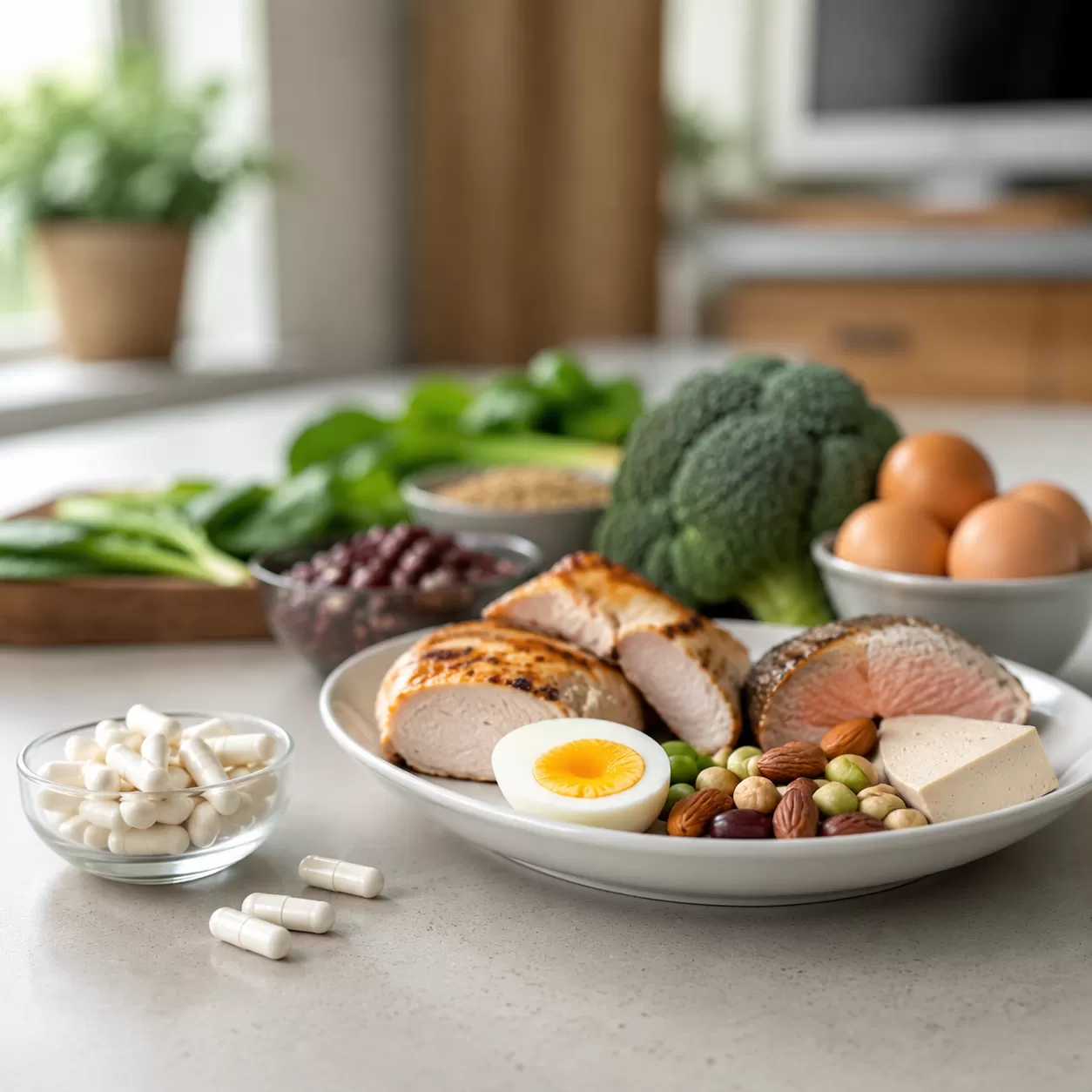
Getting enough essential amino acids is a non-negotiable part of daily nutrition. While your body cannot produce this nutrient on its own, you have two choices: pack your plate with specific whole foods or stream-line your intake with a high-quality lysine vitamin supplement.
Natural Food Sources
For those looking to hit their baseline goals through diet alone, focus on protein-rich options. Dietary lysine sources are highly concentrated in animal products and certain plant-based foods:
- Red Meat & Poultry: Beef, pork, and chicken offer some of the highest concentrations per serving.
- Dairy & Eggs: Parmesan cheese, milk, and whole eggs are excellent everyday options.
- Seafood: Cod, sardines, and tuna deliver a clean dose alongside healthy fats.
- Plant-Based Proteins: Tempeh, lentils, pumpkin seeds, and chickpeas are the best vegan alternatives.
Why Supplement?
While a balanced diet provides a baseline, it rarely delivers the targeted, high-dose amounts needed for specific health goals like rapid immune system support or managing chronic skin flare-ups.
Most whole foods contain a delicate balance of competing amino acids. For instance, if you are managing the herpes simplex virus, you need a high ratio of lysine to arginine. Food alone makes this balancing act incredibly difficult because many proteins are high in both.
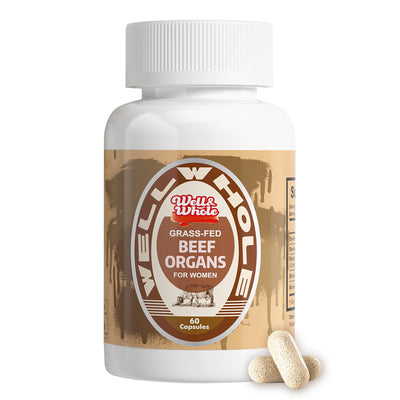
Choosing a targeted L-lysine 1000mg capsule allows you to bypass the digestive competition, ensuring maximum absorption right when your body needs it most. Furthermore, if you rely primarily on plant-based nutrition, your natural intake is likely low, making a clean daily supplement the most reliable way to prevent an amino acid deficiency. For broader nutritional gaps, integrating nutrient-dense options like grassfed beef organ supplement capsules can further optimize your fundamental health baseline.
The Complete Lysine Vitamin Supplement Dosage Guide: How Much is Safe?
Getting your daily lysine dosage right depends entirely on your personal health goals. Whether you are looking to maintain baseline health or targeting a specific issue like a flare-up, hitting the correct numbers ensures safety and maximum efficacy.
General Dietary Maintenance (RDA)
For the average adult, the standard recommended dietary allowance (RDA) hovers around 12 mg per kilogram of body weight daily. For a person weighing 150 pounds (around 68 kg), that translates to roughly 800 mg to 1,000 mg per day. Most people hit this baseline through a balanced diet, but those with an amino acid deficiency or plant-based diets often fall short.
Targeted Therapeutic Dosages
When using a lysine vitamin supplement to address specific concerns, clinical studies suggest higher, short-term doses are highly effective:
- Herpes Simplex Virus Management: To help prevent cold sores, a standard maintenance dose of L-lysine 1000mg daily is common. During an active breakout, many find success bumping this to 2,000 mg to 3,000 mg per day, split into multiple doses.
- Collagen Production Booster & Bone Health: For tissue repair and enhanced calcium absorption, doses typically range from 1,000 mg to 1,500 mg daily.
- Stress and Anxiety Mitigation: Studies looking at stress reduction often utilize around 2,500 mg daily, frequently paired with arginine.
When to Take It
Timing matters when optimizing your supplement routine. For the best absorption rates, take your L-lysine on an empty stomach—either first thing in the morning or between meals. Because amino acids compete for transport safely across the intestinal wall, taking it away from heavy protein meals ensures your body absorbs the full dose without interference.
Side Effects, Contraindications, and Safety Warnings of a Lysine Vitamin Supplement
While a lysine vitamin supplement is highly safe for most people, taking any isolated amino acid requires a bit of smart oversight. Sticking to normal doses keeps things smooth, but pushing the limits or ignoring how it plays with other nutrients can lead to unwanted surprises.
Common Mild Side Effects
When taken within normal daily limits, side effects are incredibly rare. However, if you take large doses on an empty stomach, you might experience mild digestive changes.
- Stomach cramps and bloating
- Mild diarrhea or loose stools
- Temporary nausea
To avoid these minor issues, take your supplement with a light meal and stay well-hydrated throughout the day.
Crucial Nutrient & Supplement Interactions
Amino acids don't work in a vacuum; they compete for absorption and interact with minerals in your digestive tract.
- The Calcium Connection: Lysine significantly boosts calcium absorption. If you are already taking high-dose calcium supplements, combining them with lysine can accidentally lead to hypercalcemia (too much calcium in the blood).
- Arginine Competition: Lysine and arginine use the same pathways in the body. High doses of lysine can lower your arginine levels, which is great for managing certain viral flare-ups but something to monitor if used long-term.
Who Should Consult a Doctor First?
Certain health profiles require professional guidance before starting a routine. If you fall into any of these categories, talk to your doctor first:
Important Safety Note: Individuals with pre-existing kidney or liver disease must exercise caution. Because the kidneys process and excrete amino acid waste, excess lysine can put unnecessary strain on these organs.
Additionally, pregnant or nursing mothers should avoid high-dose therapeutic testing, as there isn't enough safety data available for developing infants. Always play it safe and listen to your body.
Consumer Checklist: Selecting a Premium Lysine Supplement
Finding a high-quality lysine vitamin supplement requires looking past flashy labels and focusing on clean, effective formulas. The supplement market is flooded with fillers, so smart sourcing is essential to get the full immune and collagen-boosting benefits.
Use this checklist to ensure you are buying a premium product that actually works.
Look for Form Cleanliness
- Pure L-Lysine HCl: Ensure the ingredient label lists L-lysine (the biologically active form) rather than D-lysine, which the body cannot use. L-lysine 1000mg is the standard therapeutic strength for daily management.
- Zero Harmful Additives: Avoid products loaded with magnesium stearate, artificial colorings, titanium dioxide, or excessive binding agents.
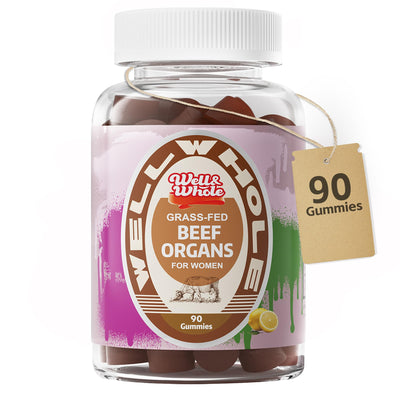
- Clean Delivery Methods: If you struggle with large, hard-to-swallow tablets, look for clean capsules or whole-food alternatives. For those focusing on nutrient density from real food sources, incorporating premium grass-fed beef organ gummies into your routine can naturally elevate your overall amino acid profile.
Synergistic Formulations
Lysine works best when paired with nutrients that amplify its absorption and biological functions.
| Partner Nutrient | Why It Matters | Target Benefit |
|---|---|---|
| Vitamin C | Acts as a crucial co-factor for lysine during collagen synthesis. | Skin elasticity & rapid wound healing |
| Zinc | Works alongside amino acids to regulate immune cell function. | Maximum immune system support |
| Calcium | Lysine enhances the absorption rate of this mineral in the gut. | Bone density & retention |
Third-Party Verification
Never rely solely on a brand's marketing claims. A premium supplement must have independent verification to prove its safety and potency.
- Independent Testing: Look for seals from trusted organizations like USP, NSF International, or ConsumerLab.
- Identity and Purity: Third-party testing guarantees that the bottle contains the exact daily lysine dosage promised, with absolutely zero heavy metals, contaminants, or unlisted ingredients.
- cGMP Certified: Only purchase from brands that manufacture in current Good Manufacturing Practice compliant facilities right here in the United States.
Frequently Asked Questions About Lysine Vitamin Supplements
Can I take lysine every day?
Yes, you can take an L-lysine benefit supplement daily, especially if your diet lacks essential amino acids or you want consistent immune system support. For standard daily lysine dosage maintenance, a regular dose like L-lysine 1000mg is common. However, it is best to take breaks or consult a doctor if you plan on high-dose therapeutic use for months at a time.
What happens when you take lysine and calcium together?
Lysine significantly boosts calcium absorption and cuts down how much calcium your body flushes out. While this is great for bone health, taking massive doses of both together could lead to too much calcium in your blood. If you are using a lysine vitamin supplement alongside calcium, just keep an eye on your total daily intake.
Does lysine help with anxiety?
Research shows that it does. Lysine blocks certain receptors in the gut and brain involved in stress responses. When people don't get enough dietary lysine sources, it can spike stress levels. Daily supplementation has been shown to help reduce chronic anxiety and normalize stress-induced cortisol levels.
Is lysine good for skin wrinkles?
Absolutely. Lysine acts as a natural collagen production booster. Your body cannot build collagen without it. Pairing lysine and Vitamin C helps create the framework that keeps skin firm, smooth, and elastic, making it a smart addition to any anti-aging routine.
Related supplements
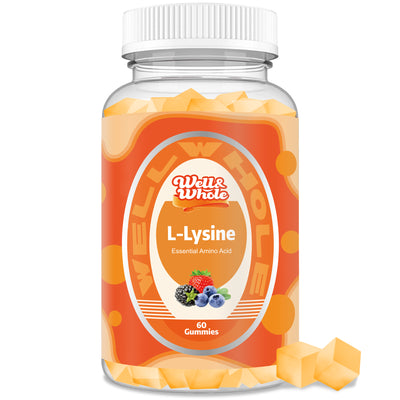
Where to begin? Our L-Lysine 1000mg Essential Amino Acid Supplement Gummies for Kids and Adults and L-Lysine Supplement Liquid Drops 1000mg are a sensible place to start, and the L-lysine collection lays out the other formats side by side with Amino Acids.
These statements have not been evaluated by the Food and Drug Administration. This product is not intended to diagnose, treat, cure, or prevent any disease.