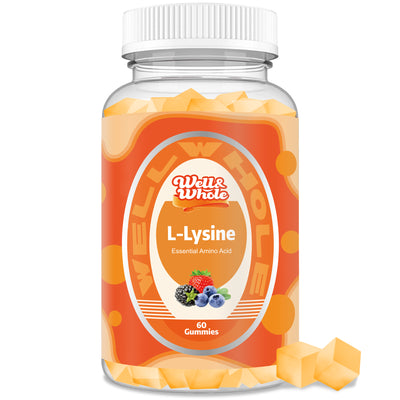
Lysine Supplements Benefits

Lysine is an essential amino acid—your body can't manufacture it, so it must come from food or supplements. While meat, fish, and legumes supply decent amounts, modern eating habits, restrictive diets, and high stress levels often leave people falling short. That’s where a targeted lysine supplement can make a real difference. The best formulas, like those from well&whole, deliver pure L-lysine without unnecessary additives, helping you tap into benefits that range from stronger immune defenses to better bone support and even a calmer mood. Understanding the science behind these benefits makes it easier to see why so many people now consider lysine a staple in their daily wellness routine.
1. Immune Defense and Cold Sore Management
One of the most researched lysine supplements benefits involves keeping the herpes simplex virus in check. The virus requires the amino acid arginine to replicate, and lysine competes with arginine for absorption and utilization. By tipping the balance in favor of lysine, the body becomes a less welcoming environment for viral flare-ups. A clinical trial led by Griffith and colleagues (1981) observed that participants taking 1,200 mg of L-lysine daily experienced up to a 50% reduction in outbreak frequency, while a 2005 evidence review in Alternative Medicine Review confirmed that consistent oral lysine supplementation can decrease both the severity and healing time of cold sores. Many users now specifically search for a lysine supplement for cold sores for this very reason.
In short, integrating lysine into a daily wellness plan offers a research-backed strategy for minimizing the discomfort and recurrence of oral herpes episodes.
2. Calcium Balance and Long-Term Bone Strength
Lysine doesn’t just support soft tissue—it also plays a quiet but critical role in skeletal health. The amino acid appears to enhance intestinal calcium absorption and simultaneously reduce the amount of calcium lost through urine. In a study published in the journal Nutrition (Civitelli et al., 1992), postmenopausal women who added 800 mg of L-lysine to their daily calcium and vitamin D regimen saw a nearly 13% improvement in calcium absorption compared to those taking calcium and vitamin D alone. This dual action makes lysine particularly appealing for individuals proactively guarding against age-related bone loss. That’s why the term lysine for bone health and calcium absorption is gaining traction among nutritionists who want more from their bone-support protocols.
Together, these actions position lysine as a valuable partner for anyone focused on maintaining strong, resilient bones over a lifetime.
3. Muscle Repair and Athletic Performance
Active individuals and athletes need all the amino acid support they can get, and lysine contributes in a way that goes beyond basic protein synthesis. L-lysine serves as a precursor for carnitine, a molecule that transports fatty acids into mitochondria to be burned for energy. The Journal of Nutrition (2004) highlighted that insufficient lysine intake can drop carnitine levels, reducing muscular endurance and slowing recovery. For anyone who trains hard, adequate lysine helps the body repair exercise-induced micro-tears faster and sustain energy output during prolonged activity. This explains why searches for lysine amino acid supplement benefits for athletes continue to rise among gym-goers and endurance sports participants.
For athletes, lysine can mean faster repair, steadier energy metabolism, and fewer setbacks between training sessions.
4. Emotional Well-Being and Stress Response
An unexpected yet fascinating area of lysine research involves its influence on the nervous system. Lysine is involved in the synthesis of neurotransmitters that regulate mood, and some studies suggest it can blunt the body’s exaggerated stress response. A randomized trial by Smriga et al. (2007) published in Biomedical Research found that a combination of L-lysine and L-arginine significantly reduced trait anxiety and lowered morning cortisol levels in healthy adults after just four weeks. While not a standalone treatment for chronic anxiety, this evidence points to lysine’s potential as a nutritional ally for those navigating high-pressure jobs, demanding schedules, or emotional strain. Many people now explore lysine supplements for anxiety and stress as part of a broader plan to support mental composure.
Thus, lysine’s role in neurotransmitter balance may offer a gentle, nutrition-based approach to coping with daily stressors.
5. Choosing a Clean, Effective Formula
Not all lysine supplements are created equal. The most bioavailable form is free-form L-lysine hydrochloride, which the body absorbs quickly. Look for products that avoid artificial binders, stearates, and common allergens, and that openly share third-party testing results. This is where well&whole stands out. Our L-lysine is derived from non-GMO fermentation, contains 1,000 mg of pure active lysine per serving, and is rigorously verified by independent labs for potency and freedom from contaminants. Whether you are targeting immune health, athletic recovery, or emotional balance, a transparently manufactured supplement ensures you receive the full spectrum of benefits without unwanted extras. Shoppers seeking the best lysine supplement for daily use consistently gravitate toward brands that emphasize purity and accountability.
Choosing a supplement from a transparent brand like well&whole eliminates guesswork, allowing you to focus on the genuine benefits rather than worrying about fillers or questionable ingredients.
Frequently Asked Questions
Q1: How much lysine should I take per day for optimal results?
For general wellness support, 1,000 mg per day is a common starting point. If you are targeting cold sore prevention, research protocols often use between 1,000 mg and 3,000 mg daily in divided doses. It’s sensible to begin at the lower end and adjust under the guidance of a healthcare provider. well&whole capsules are conveniently pre-dosed at 1,000 mg to streamline your routine.
Q2: Can lysine be combined with other supplements like zinc or vitamin C?
Yes. Lysine works harmoniously alongside immune-supporting nutrients such as zinc, vitamin C, and bioflavonoids. If you are taking lysine specifically to manage herpes outbreaks, it may be helpful to avoid consuming high-arginine foods—like chocolate, nuts, and seeds—at the same time, since arginine can theoretically counteract lysine’s antiviral action.
Q3: Are there any side effects from long-term lysine use?
L-lysine is generally recognized as safe when used within recommended doses. High intakes above 10 grams per day may cause mild gastrointestinal upset in some individuals. Those with kidney conditions or those on calcium-sparing medications should seek medical advice before supplementation. All well&whole products are manufactured under stringent quality controls to ensure consistent safety and purity.
References
- Griffith RS, et al. A multicentered study of lysine therapy in Herpes simplex infection. Dermatologica. 1981;162(4):291–297.
- Civitelli R, et al. Dietary L-lysine and calcium metabolism in postmenopausal women. Nutrition. 1992;8(6):400–405.
- Smriga M, et al. Oral treatment with L-lysine and L-arginine reduces anxiety and basal levels of cortisol. Biomedical Research. 2007;28(2):85–90.
- Journal of Nutrition. Carnitine and amino acid supplementation: lysine’s role. 2004;134(6):1602S–1606S.
- Alternative Medicine Review. Lysine for herpes simplex prophylaxis. 2005;10(2):123–127.
These statements have not been evaluated by the Food and Drug Administration. This product is not intended to diagnose, treat, cure, or prevent any disease.