lysine for skin

Lysine for Skin: A Natural Ally for Radiant Health
When most people think of lysine, the first thing that comes to mind is often cold sore relief. You may have heard about this essential amino acid in the context of immune support, but its role in skin wellness goes much deeper. At well&whole, we believe that a radiant complexion often starts from within, and lysine is one of those quiet overachievers that deserves a closer look. If you’ve been searching for a way to support your skin that goes beyond creams and serums, understanding how lysine works at a foundational level could shift your entire approach to skincare.
Your body cannot produce lysine on its own, which means you must obtain it through diet or supplementation. Once absorbed, it becomes a building block for proteins that keep your skin smooth, resilient, and youthful. In this article, we’ll walk through the science behind lysine and how it may influence everything from healing to tone — without the usual jargon. Let’s get into what makes this amino acid a noteworthy part of a modern skin-caring lifestyle.
How Lysine Supports Skin Structure and Repair
The skin’s ability to bounce back from daily stress — sunlight, pollution, even the natural aging process — hinges heavily on collagen. Collagen gives skin its firmness and structure, and lysine plays a non-negotiable role here. As an essential component of collagen synthesis, lysine helps stabilize the protein fibers that prevent sagging and fine lines. Moreover, lysine goes through a process called hydroxylation, which allows collagen molecules to form strong cross-links. Without adequate lysine, this entire framework weakens.
Beyond structure, there is a compelling connection when we talk about lysine for skin health and repair. Whether it’s a small cut, post-acne marks, or general irritation, lysine is needed for tissue regeneration. It promotes the production of new skin cells by feeding the fibroblast cells that manufacture collagen and elastin. That’s one reason you’ll see lysine pop up in conversations about faster wound recovery and smoother skin texture.
In summary: lysine acts as a silent architect behind collagen stability and accelerates the skin’s natural repair process, making it vital for those seeking both resilience and a visibly smoother surface.
Lysine and Acne: A Promising Connection
There’s a growing interest in using a lysine supplement for clear skin, and the logic behind it is both intriguing and practical. Acne is often driven by a combination of excess sebum, bacterial activity, and inflammation. While lysine isn’t a direct antibacterial agent, it influences one factor many people overlook: stress-related breakouts. High stress elevates cortisol, which can ramp up oil production and inflammation. Lysine has been studied for its role in modulating the body’s stress response, potentially helping to keep cortisol levels more balanced.
Even more interesting is how lysine interacts with arginine, another amino acid. Certain skin conditions are linked to an imbalanced arginine-to-lysine ratio, particularly those involving the herpes simplex virus. Though cold sores are not acne, the same anti-inflammatory environment fostered by lysine may help soothe red, angry breakouts. Some dermatology-informed nutritionists now recommend lysine-rich foods and supplements as part of a holistic acne management plan. At well&whole, our customers often tell us that adding a balanced lysine supplement helped them feel more in control of occasional stress-related flare-ups.
In summary: lysine may contribute to calmer skin by tempering the body’s stress reaction and promoting an anti-inflammatory milieu that can make acne less aggressive.
Strengthening the Skin Barrier with Lysine
A compromised skin barrier leads to moisture loss, sensitivity, and a complexion that looks dull no matter what you apply topically. Amino acids, including lysine, are part of the natural moisturizing factors (NMFs) found within healthy skin. These NMFs keep the outermost layer hydrated and intact. Without enough lysine circulating in your system, the skin can struggle to hold onto water effectively, making it prone to flakiness and irritation.
This is especially relevant if you’re pursuing a natural lysine for collagen production angle, because collagen and barrier health are intertwined. Well-hydrated skin is better able to produce and maintain collagen networks. Furthermore, lysine’s involvement in carnitine production aids cellular energy, ensuring that skin cells perform their protective functions optimally. Supplementing with a quality formula like the one from well&whole can fill the gaps that even a balanced diet sometimes misses, particularly during winter months or episodes of high physical stress.
In summary: lysine reinforces the skin’s moisture barrier from the inside, which helps seal in hydration, reduce environmental damage, and keep the skin’s surface looking plump and healthy.
Incorporating Lysine into Your Daily Routine
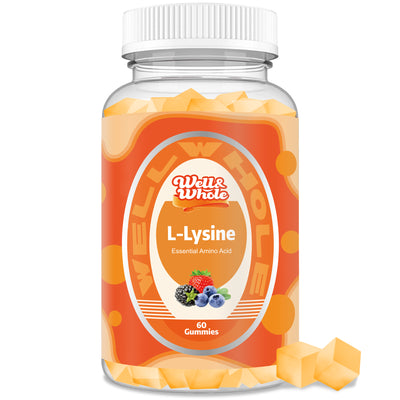
You can obtain lysine from foods like chicken, fish, eggs, lentils, and quinoa. However, modern eating patterns, restricted diets, or even intense workout habits can create shortfalls. In such cases, a targeted supplement becomes a practical tool. well&whole offers a lysine formula designed for purity and absorption — free from unnecessary fillers and focused on what your skin actually needs.
For those wondering how to weave it in, the approach is refreshingly simple. Most people find success with a consistent daily dose, ideally taken with a meal to support digestion. Pairing lysine with vitamin C can amplify collagen benefits, as vitamin C also plays a role in collagen synthesis. And while you’re at it, don’t forget hydration and sun protection — lysine works best as part of an inside-out strategy, not a substitute for smart daily habits. If you are specifically looking for a gentle but effective skin-support supplement, visiting the well&whole collection might give you the clean option you’ve been searching for.
In summary: while whole foods lay the foundation, a reliable lysine supplement can conveniently bridge nutritional gaps, especially when chosen from a trusted name like well&whole.
Safety, Dosage, and Tips for Best Results
Lysine is generally well-tolerated when used as directed. Common supplemental dosages range from 500 mg to 1,000 mg per day, though some therapeutic protocols use higher amounts for short periods. As with any ingredient, starting with the amount indicated on your product label and consulting a healthcare professional if you are pregnant, nursing, or on prescription medication is the wise path. Side effects are rare but may include mild stomach upset if taken on an empty stomach.
One of the most common questions we receive at well&whole revolves around timing. There isn’t a strict rule, but many people prefer taking lysine in the morning or post-workout, when the body is receptive to amino acid uptake. Consistency is what truly moves the needle — skin cells renew approximately every 28 days, so giving your body a steady supply over several weeks creates the foundation for visible results. Patience and routine are your greatest allies here.
In summary: lysine is safe for daily use within standard limits, and the key to skin benefits lies in regular intake and a holistic approach rather than short-term, high-dose use.
Frequently Asked Questions
1. How long does it take to see skin improvements after starting lysine? Most people begin noticing subtle changes, such as smoother texture or less pronounced dryness, within four to six weeks of consistent supplementation. Skin cell turnover takes roughly a month, so faster claims are often unrealistic.
2. Can I take lysine alongside collagen supplements? Absolutely. Lysine and collagen work complementarily. Lysine supports your own body’s natural collagen production, while collagen supplements supply pre-formed peptides. Using both together, especially with vitamin C, is a common and effective strategy.
3. Will lysine make my skin break out initially? It’s rare. Lysine is not known to cause purging or acne flares. If you experience changes, it may be due to an adjustment in your body’s amino acid balance. Reducing the dose and ensuring adequate water intake usually resolves the issue quickly.
These statements have not been evaluated by the Food and Drug Administration. This product is not intended to diagnose, treat, cure, or prevent any disease.