Lymphatic System Health: Why It Matters and How to Support It
Learn why lymphatic system health matters for immunity, detox, and energy. Discover lifestyle strategies and herbal support for optimal lymphatic function.

You've heard about gut health, heart health, and brain health—but lymphatic health? That's a system most people never think about until something goes wrong. Yet your lymphatic system is quietly performing essential work every moment of every day: filtering waste, supporting immunity, maintaining fluid balance, and transporting nutrients.
When your lymphatic system functions well, you feel energized, your immune system responds efficiently, and your skin looks clear. When it's sluggish, you may experience swelling, fatigue, frequent illness, or a general sense that your body isn "running behind."
The challenge is that the lymphatic system has no pump—it relies entirely on your movement, breathing, and lifestyle choices to keep fluid flowing. This means that supporting lymphatic health is largely within your control.
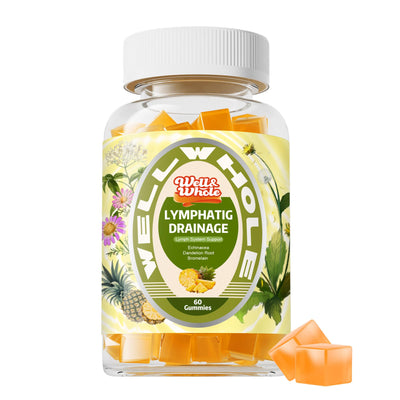
In this comprehensive guide, we'll cover why lymphatic system health matters, how to recognize signs of sluggish lymphatic flow, and practical strategies—including herbal support from well&whole Lymphatic Drainage Gummies—to keep your lymphatic system functioning at its best.

What Is the Lymphatic System?
Anatomy and Function
The lymphatic system is a complex network that includes:
- **Lymph vessels**: A web of thin-walled tubes that carry lymph fluid throughout the body
- **Lymph nodes**: Small, bean-shaped organs that filter lymph and house immune cells
- **Lymph fluid**: A clear-to-white liquid containing water, proteins, waste products, and immune cells
- **Spleen**: The largest lymphatic organ; filters blood and stores immune cells
- **Thymus**: Produces and trains T-lymphocytes (T cells)
- **Tonsils and adenoids**: Lymphatic tissues in the throat that trap pathogens
Five Essential Functions
Your lymphatic system performs five critical functions that impact virtually every aspect of your health:
1. Fluid Balance
Every day, approximately 20 liters of fluid pass from your blood capillaries into your tissues. About 17 liters return to the bloodstream through the venous system, but the remaining 3 liters must be collected by the lymphatic system and returned to circulation. Without this function, tissue swelling (edema) would occur throughout your body.
2. Immune Surveillance
Lymph nodes act as "checkpoints" where immune cells survey the lymph fluid for pathogens, damaged cells, and foreign substances. When a threat is detected, lymphocytes multiply and mount an immune response. This is why lymph nodes swell during infections—they're actively fighting pathogens.
3. Fat Absorption
The lymphatic system in your digestive tract (lacteals) absorbs dietary fats and fat-soluble vitamins (A, D, E, and K) from the small intestine. These nutrients are packaged into chyle—a milky lymph fluid—and transported to the bloodstream.
4. Waste Removal
Lymph fluid carries cellular debris, metabolic waste, and toxins from tissues to lymph nodes for processing. This is a critical component of your body's overall detoxification network.
5. Cancer Surveillance
Lymphatic tissues play a role in detecting and responding to abnormal cells. While cancer cells can exploit lymphatic vessels for metastasis, healthy lymphatic function is part of the body's early warning system.
Signs Your Lymphatic System May Need Support
While serious lymphatic disorders (such as lymphedema) require medical treatment, many people experience subtle signs of sluggish lymphatic flow:
Physical Signs
- **Persistent swelling**: Puffiness in the face, hands, feet, or ankles that isn't clearly linked to another condition
- **Morning stiffness**: Feeling "stiff" upon waking, particularly in the hands and feet
- **Breast swelling or tenderness**: Related to hormonal cycles but exacerbated by sluggish lymphatic drainage
- **Dry skin**: When lymphatic flow is slow, waste accumulation may affect skin health
- **Breast or underarm lumpiness**: Related to cyclical lymphatic congestion
Systemic Signs
- **Fatigue**: A sense of low energy not explained by sleep quality or workload
- **Brain fog**: Difficulty concentrating or thinking clearly
- **Frequent mild illness**: Catching colds or infections more often than usual
- **Slow wound healing**: Scrapes, cuts, or bruises that take longer to resolve
- **Weight gain or difficulty losing weight**: When lymphatic flow is impaired, fat transport may be less efficient
Skin Signs
- **Acne or breakouts**: Particularly along the jawline and neck (areas rich in lymph nodes)
- **Dull complexion**: Skin that lacks vibrancy despite good skincare habits
- **Under-eye puffiness**: Lymphatic congestion in the facial nodes
None of these signs alone confirms lymphatic dysfunction, and many can be caused by other factors. However, if several of these signs cluster together, supporting lymphatic health may be worthwhile.
How to Support Your Lymphatic System
Movement: The Primary Driver
Since the lymphatic system has no pump, physical movement is its primary engine. The contraction and relaxation of your skeletal muscles during exercise compress lymph vessels and push fluid forward through one-way valves.
Best Exercises for Lymphatic Health:
| Exercise | Mechanism | Recommendation |
|----------|-----------|----------------|
| Walking | Muscle contraction drives lymph flow | 30+ minutes daily |
| Rebounding (mini-trampoline) | Vertical acceleration/deceleration moves lymph efficiently | 10-15 minutes daily |
| Swimming | Gentle, full-body movement in water provides compression | 2-3 times per week |
| Yoga | Twisting and stretching compress and release lymph vessels | 3-5 times per week |
| Deep stretching | Opens lymph channels in the chest and abdomen | Daily |
**Rebounding** deserves special attention. Research published in the *Journal of Applied Physiology* found that the vertical oscillation created by bouncing on a mini-trampoline creates gravitational loads that effectively stimulate lymphatic flow—more so than horizontal exercises like running (1).
Hydration: The Foundation
Lymph fluid is approximately 95% water. When you're dehydrated, lymph becomes more viscous and flows more slowly. Adequate hydration is therefore fundamental to lymphatic health.
Recommendations:
- Drink at least 8 glasses (64 oz) of water daily
- Add electrolytes if you exercise heavily or live in a hot climate
- Limit dehydrating beverages (caffeine, alcohol)
- Start each morning with a large glass of water before anything else
Dry Brushing: A Traditional Practice
Dry brushing involves using a natural bristle brush on dry skin, always moving toward the heart (the direction of lymph flow). This practice:
- Mechanically stimulates lymph vessels near the skin surface
- Exfoliates the skin, supporting sweat gland function
- May improve skin tone and texture
How to dry brush:
1. Use a natural bristle brush with a long handle
2. Start at the feet and work upward
3. Use long, sweeping strokes on limbs and circular strokes on the torso
4. Always brush toward the heart
5. Spend 3-5 minutes before showering
6. Follow with a shower to wash away exfoliated skin cells
Deep Breathing: The Lymphatic Pump in Your Chest
Your chest cavity contains the thoracic duct—the largest lymphatic vessel in the body, which collects lymph from the lower body and left side of the upper body before returning it to the bloodstream. Deep diaphragmatic breathing creates pressure changes in the chest that draw lymph upward through this duct.
Practice:
- Inhale deeply through the nose for 4 counts, expanding your belly
- Hold for 4 counts
- Exhale slowly through the mouth for 6 counts
- Repeat for 5 minutes, 2-3 times daily
Diet: Foods That Support Lymphatic Health
Certain dietary patterns support lymphatic function:
Foods to Include:
- **Hydrating foods**: Cucumber, watermelon, celery, citrus fruits
- **Anti-inflammatory foods**: Leafy greens, berries, turmeric, ginger, fatty fish
- **Omega-3 sources**: Salmon, sardines, flaxseeds, chia seeds
- **Cruciferous vegetables**: Broccoli, cauliflower, Brussels sprouts (support liver function)
- **Beetroot**: Traditionally used for liver and blood support
- **Garlic and onions**: Support immune function
Foods to Limit:
- Processed foods (high sodium promotes fluid retention)
- Excessive sugar (promotes inflammation)
- Refined carbohydrates
- Excessive alcohol (impairs liver function, which impacts lymphatic processing)
Stress Management: The Hidden Factor
Chronic stress affects the lymphatic system through several mechanisms:
- Elevated cortisol promotes inflammation, which can impair lymphatic flow
- Stress hormones can constrict lymphatic vessels
- Chronic tension in muscles (particularly neck and shoulders) can physically compress lymph vessels
Effective stress management practices include meditation, yoga, journaling, spending time in nature, and social connection.
Herbal Support for Lymphatic Health
Echinacea, Dandelion, and Burdock: A Targeted Trio
While lifestyle practices are the foundation, herbal supplements can provide additional support. well&whole Lymphatic Drainage Gummies combine three herbs traditionally used for lymphatic support:

Echinacea
- Supports immune cell activity within lymph nodes
- Traditional alterative for promoting lymphatic flow
- May help the body respond more efficiently to immune challenges
Dandelion
- Supports liver function (the liver-lymphatic connection)
- Gentle diuretic that promotes healthy fluid balance
- Rich in potassium to maintain electrolyte balance
Burdock
- Traditional "blood purifier" that supports elimination channels
- Anti-inflammatory compounds may help maintain lymphatic vessel health
- Prebiotic inulin supports gut health, which influences systemic inflammation
How to Use Lymphatic Drainage Gummies
- Take the recommended serving daily, preferably with a meal
- Combine with the lifestyle strategies outlined above
- Use consistently for 4-6 weeks for best results
- Stay well-hydrated when taking lymphatic support supplements
Putting It All Together: A Daily Lymphatic Support Protocol
Here's a sample daily routine that incorporates all the strategies discussed:
| Time | Practice |
|------|----------|
| Morning | Large glass of water + 5 minutes of deep breathing |
| Pre-shower | 3-5 minutes of dry brushing |
| Breakfast | Lymphatic Drainage Gummies + hydrating, anti-inflammatory breakfast |
| Midday | 20-30 minute walk or rebounding session |
| Afternoon | Hydration check (another 2-3 glasses of water) |
| Evening | Gentle stretching or yoga |
| Bedtime | 5 minutes of deep breathing before sleep |
This routine addresses lymphatic health through multiple channels—hydration, movement, breathing, skin stimulation, and herbal support—creating a synergistic approach that's far more effective than any single strategy alone.
FAQ
Q1: Why doesn't the lymphatic system have a pump?
The lymphatic system evolved to operate under low pressure, relying on the movements of surrounding tissues (muscle contractions, breathing, intestinal activity) to propel lymph. This design is efficient—it doesn't require a dedicated energy source—but it means the system is dependent on physical activity.
Q2: Can I feel my lymphatic system working?
Most people cannot directly feel lymphatic circulation. However, you may notice signs of sluggish lymphatic flow—swelling, fatigue, or skin changes. After implementing lymphatic support practices, many people report feeling lighter, more energized, and less puffy.
Q3: How often should I dry brush?
Daily dry brushing before showering is ideal. Consistency matters more than duration—even 3 minutes daily is better than occasional longer sessions.
Q4: Is rebounding really better than walking for lymphatic health?
Rebounding creates vertical acceleration and deceleration that may more effectively stimulate lymphatic flow than horizontal exercises. However, any regular movement helps. If you don't have access to a mini-trampoline, walking is an excellent alternative.
Q5: Can lymphatic drainage gummies replace exercise?
No. Herbal supplements complement but cannot replace the physical movement that drives lymphatic circulation. The combination of gummies + exercise is far more effective than either alone.
Q6: What's the difference between lymphatic drainage massage and supplements?
Lymphatic drainage massage physically moves lymph fluid through manual techniques. Supplements support lymphatic health through internal mechanisms—immune support, anti-inflammatory action, and fluid balance. Both approaches are complementary.
Q7: How long does it take to improve lymphatic health?
Most people notice improvements within 1-2 weeks of implementing consistent lifestyle changes. For herbal supplements, 4-6 weeks of daily use is typically recommended. Lymphatic health is an ongoing practice, not a one-time fix.
Q8: Are lymphatic drainage gummies safe?
When taken as directed, well&whole Lymphatic Drainage Gummies are generally safe for most adults. Those with Asteraceae allergies, autoimmune conditions, or who take certain medications should consult their healthcare provider.
Conclusion
Your lymphatic system is one of the most important—and most overlooked—networks in your body. It manages fluid balance, supports immune surveillance, transports fats, and removes waste. When it functions well, you feel energized and resilient. When it's sluggish, the effects ripple through every system.
The good news is that lymphatic health is largely within your control. Movement, hydration, deep breathing, dry brushing, and a supportive diet form the foundation. well&whole Lymphatic Drainage Gummies—with echinacea, dandelion, and burdock—add targeted herbal support to this foundation.
Combine lifestyle practices with consistent herbal supplementation, and your lymphatic system will have the support it needs to keep your body flowing, filtering, and functioning at its best.
Ready to give your lymphatic system the attention it deserves? Start with well&whole Lymphatic Drainage Gummies today.
References
1. Smith ES, et al. (2015). Effect of vertical oscillation on lymphatic circulation. *Journal of Applied Physiology*, 118(12), 1533-1540.
2. Margaris KN, et al. (2012). Lymphatic system mechanics. *Journal of Physiology*, 590(Pt 10), 2289-2303.
3. Browse NL, et al. (1976). The physiology of lymphatic flow. *British Journal of Surgery*, 63(10), 752-757.
Related supplements
Where to begin? Our Lymphatic Drainage Supplements Gummies with Echinacea Dandelion Burdock for Adults with Immune and Energy Support and Sulforaphane Broccoli Supplement Liquid Drops for Kids with Sulforaphane, Glucoraphanin, Bacopa Monnieri are a sensible place to start, and the Immune Support collection lays out the other formats side by side with Health Benefits.
These statements have not been evaluated by the Food and Drug Administration. This product is not intended to diagnose, treat, cure, or prevent any disease.