Lymphatic Herbs Explained: Echinacea, Dandelion and Burdock

Echinacea, dandelion and burdock are three of the most traditional herbs in Western herbal wellness, and each earned its shelf space differently: echinacea for immune function during cold season, dandelion for fluid balance, and burdock for its long history in herbal formulas. The evidence is strongest for echinacea, modest for the others, and honesty about that is the useful starting point.
What the lymphatic system actually does
The lymphatic system is the body's drainage network: vessels collect fluid that leaks out of blood capillaries, filter it through lymph nodes, and return it to circulation. Immune cell traffic runs along the same routes, which is why the network matters in conversations about both fluid balance and immune surveillance. Movement drives it; the system has no pump of its own and relies on muscle contraction and breathing to keep things flowing, which is why long days of sitting leave everything feeling sluggish rather than just the legs.
Echinacea: the most studied of the three
Echinacea's research centers on upper respiratory health. Trials on whether it shortens or softens a common cold return mixed results, with several finding modest benefit and others finding little, which places it firmly in the traditionally-used-and-plausibly-helpful category rather than the proven-one category. Preparations vary widely in plant part and extraction, which muddies comparisons; the root and the fresh-pressed aerial parts are different products with different chemistry, and traditional practitioners timed echinacea for early use, at the first scratchy signals of the season rather than mid-illness.
Dandelion: bitter greens and fluid balance
Dandelion is best known as a bitter leafy green with a long traditional role in gentle fluid balance, and its leaves carry natural potassium. The evidence base is thinner than its reputation; most support comes from traditional use and small studies rather than large trials. In the lymphatic conversation, dandelion's contribution is less about any single mechanism and more about its place in the bitter-greens tradition that herbalists reach for first. Burdock and dandelion root slices often appear side by side in traditional formulas for exactly this reason.
Burdock: the traditional root
Burdock root is a starchy, fibrous root used for centuries in European and Japanese food traditions, from roasted-root teas to simmered dishes. Herbal formulas pair it with dandelion as a classic combination, though modern clinical evidence remains limited. Its story is traditional rather than trialed, and the honest framing is culinary-heritage support rather than proven effect. Roasted root teas remain the easiest entry point, since the flavor lands closer to coffee's comfort than to medicine's chore.
What a sensible herbal week looks like
If you build these into a routine, treat immunity as a season-long project rather than a panic response: one herb at a time, at labeled servings, for a defined stretch such as the deepest weeks of cold season. Keep hydration honest, keep meals varied, and let the herbs sit on top of the foundations rather than beneath them. A rotation you can actually sustain beats an ambitious stack you abandon by February. Write the trial down: which product, which serving, which weeks, and what you noticed, because a season of vague impressions is exactly how herbal marketing prefers to be judged. Two or three movement sessions a week, a daily walk, and honest hydration are the unglamorous companions that make any herbal routine worth having.
How to combine them sensibly
Anyone with an autoimmune condition, or taking prescription medication of any kind, should clear herbal additions with a clinician first, since immune-modulating herbs are exactly the category where medical advice earns its fee. Herbs support the routine; they do not replace it, and they certainly do not replace seasonal vaccines where those are relevant to you.
Key takeaways
- The lymphatic system drains fluid and carries immune cell traffic, powered by movement rather than a pump.
- Echinacea has the strongest evidence of the three, focused on upper respiratory support in cold season.
- Dandelion and burdock rest on long traditional use with thinner modern trials.
- Introduce one herb at a time at labeled servings, and give any trial a defined window.
- Autoimmune conditions and prescription medications are a reason to consult a clinician first.

Frequently asked questions
What does the lymphatic system do, in simple terms?
It drains excess fluid from tissues, filters it through lymph nodes, and returns it to the bloodstream while ferrying immune cells along the same network. Think of it as the body's slow, one-way drainage and patrol route, kept moving by your muscles.
Does echinacea actually work for colds?
The honest answer is maybe, modestly. Trials are mixed, with some showing shorter or milder cold episodes and others showing no difference. If you trial it, use a consistent product through the season and judge by your own pattern rather than by promises.
Can I take echinacea, dandelion and burdock together?
Traditional formulas have combined dandelion and burdock for generations, and echinacea is commonly paired with both in seasonal blends. Check total doses across products, introduce one at a time, and get a clinician's sign-off if you take any prescription medication or manage a chronic condition.
Who should skip lymphatic-support herbs?
Anyone who is pregnant or breastfeeding without medical sign-off, people with autoimmune conditions, and those on immunosuppressive or diuretic medications should consult a clinician first. Ragweed-family plant allergies are another reason for caution with echinacea specifically.
Related supplements
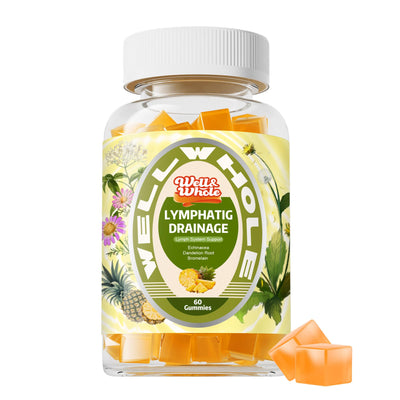
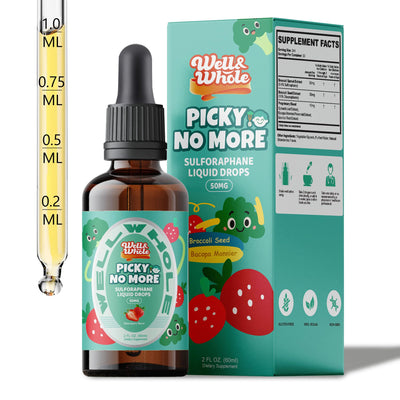
Should you decide to supplement, Lymphatic Drainage Supplements Gummies with Echinacea Dandelion Burdock for Adults with Immune and Energy Support and Sulforaphane Broccoli Supplement Liquid Drops for Kids with Sulforaphane, Glucoraphanin, Bacopa Monnieri are our formulation for this purpose. For a broader comparison, see the Immune Support and Health Benefits collections.
These statements have not been evaluated by the Food and Drug Administration. This product is not intended to diagnose, treat, cure, or prevent any disease. Talk to a healthcare professional before starting any new supplement, especially if you are pregnant, nursing, taking medication, or managing a health condition.
These statements have not been evaluated by the Food and Drug Administration. This product is not intended to diagnose, treat, cure, or prevent any disease.