Liver Health After 40: Why It Matters More Than Ever
Discover why liver health becomes more critical after age 40—how aging affects liver function and which supplements may support a resilient, healthy liver.

At 25, your liver processes whatever you throw at it with remarkable efficiency—late-night takeout, a few drinks, a heavy workout, the occasional over-the-counter medication. You barely notice it working. By 45, that invisible efficiency starts to shift.
Aging changes your liver in ways that are subtle at first but cumulative over time. Liver blood flow decreases. Glutathione production drops. Enzyme efficiency slows. The liver gets less resilient, less responsive, and less able to bounce back from the same stressors it once handled effortlessly. Meanwhile, the stressors themselves often increase—more medications, more metabolic challenges, more cumulative toxin exposure.
This article explains why liver health matters more after 40, what changes occur in the aging liver, and how diet, lifestyle, and evidence-based supplements can help you maintain liver resilience through middle age and beyond.
How the Liver Changes with Age
Reduced Blood Flow
Liver blood flow decreases by approximately 1% per year after age 25. A 2016 study in the *Journal of Hepatology* reported that hepatic blood flow in a 70-year-old is roughly 40–50% lower than in a 25-year-old. Reduced blood flow means slower delivery of nutrients, slower removal of waste products, and decreased overall processing capacity.
Lower Glutathione Production
Glutathione—the liver's master antioxidant—declines with age. A 2019 study in *Redox Biology* found that hepatic glutathione levels in adults over 60 were approximately 30–40% lower than in adults under 40. This means the aging liver has less antioxidant defense against the same oxidative stressors, making it more vulnerable to damage from medications, alcohol, environmental toxins, and metabolic stress.
Decreased Drug Metabolism
The liver's CYP450 enzyme system—the primary pathway for metabolizing medications—becomes less efficient with age. A 2018 review in *Clinical Pharmacology & Therapeutics* noted that drug clearance rates decrease significantly after age 40, partly due to reduced liver blood flow and enzyme activity. This is why older adults are more susceptible to medication side effects and drug-induced liver injury.
Increased NAFLD Risk
NAFLD prevalence rises sharply with age. A 2020 study in *The Lancet* found that NAFLD affected approximately 12% of adults under 30, but 35–40% of adults over 60. The increase is driven by age-related insulin resistance, decreased physical activity, hormonal changes, and cumulative dietary patterns.
| Age-Related Liver Change | Impact | Approximate Timeline |
|-------------------------|--------|---------------------|
| Reduced hepatic blood flow | Slower processing, decreased capacity | Begins ~25, accelerates after 40 |
| Lower glutathione production | Reduced antioxidant defense | Noticeable after 40, significant by 60 |
| Decreased CYP450 activity | Slower drug metabolism, higher drug sensitivity | Progressive after 40 |
| Increased insulin resistance | Greater NAFLD risk, metabolic stress | Accelerates after 40 |
| Reduced bile flow | Digestive changes, cholestasis risk | Progressive after 50 |
| Decreased liver volume | Less total functional capacity | Gradual, measurable after 60 |
Hormonal Shifts
For women, menopause (typically ages 45–55) reduces estrogen's protective effect on the liver. Estrogen supports lipid metabolism and has anti-inflammatory properties in hepatocytes. Post-menopausal women show increased NAFLD prevalence and liver enzyme elevations compared to pre-menopausal women of the same age. A 2018 study in *Hepatology* documented this transition and its metabolic consequences.
For men, declining testosterone levels (starting around age 40) also affect liver metabolism. Testosterone supports lean mass maintenance and insulin sensitivity—both relevant to liver health. Low testosterone is associated with increased visceral fat and NAFLD risk.
Why These Changes Matter
The aging liver is not diseased—it is simply less resilient. This reduced resilience means:
- **Medications hit harder**: A dose that was fine at 30 may stress the liver at 50.
- **Alcohol tolerance decreases**: The liver processes alcohol slower, and glutathione depletion recovers less quickly.
- **Metabolic stress accumulates**: Insulin resistance increases, driving fat into the liver.
- **Recovery from any liver insult takes longer**: Whether it is a medication side effect, a viral infection, or a period of poor diet, the aging liver takes longer to bounce back.
Proactive Liver Support After 40
Diet
- **Mediterranean-style eating**: Multiple studies, including a 2020 trial in *Journal of Hepatology*, show that this diet pattern reduces liver fat and inflammation even without weight loss.
- **Reduce refined carbohydrates and added sugars**: Especially fructose, which directly drives hepatic fat synthesis.
- **Increase fiber and plant foods**: Vegetables, legumes, and whole grains support gut health and reduce endotoxin load on the liver.
- **Prioritize omega-3 fatty acids**: Fish, walnuts, and flaxseed support hepatic lipid metabolism.
Exercise
Resistance training becomes particularly important after 40. It maintains lean mass, improves insulin sensitivity, and reduces visceral fat—all of which protect the liver. A 2017 study in *Journal of Hepatology* found that both aerobic and resistance exercise reduced liver fat in older adults, even without weight loss.
Aim for: 150+ minutes of moderate aerobic activity per week + 2–3 resistance training sessions.
Medication Awareness
After 40, many adults begin taking regular medications—statins, blood pressure drugs, NSAIDs, and others that the liver must process. Be aware of:
- **Multiple medication load**: The more medications your liver processes, the greater the cumulative metabolic demand.
- **Acetaminophen**: Even at "safe" doses, regular acetaminophen use stresses the aging liver, especially when combined with alcohol.
- **Discuss liver impact with your prescriber**: Ask about liver-related side effects and whether lower doses or alternatives are appropriate.
Supplement Support
Certain supplement ingredients address the specific vulnerabilities of the aging liver:
**NAC for Glutathione Replenishment**: Since aging reduces glutathione production, NAC provides the cysteine substrate needed to rebuild it. A 2021 study in the *European Review for Medical and Pharmacological Sciences* confirmed that NAC supplementation increased hepatic glutathione levels, particularly relevant for older adults with depleted baseline stores.
**Milk Thistle for Antioxidant and Anti-inflammatory Support**: Silymarin's antioxidant properties help compensate for the aging liver's reduced endogenous antioxidant capacity. A 2020 meta-analysis in *Phytotherapy Research* showed that silymarin reduced liver enzymes across multiple patient populations, including older adults.
**TUDCA for Bile Flow and Cellular Protection**: Age-related bile flow reduction makes TUDCA particularly relevant. TUDCA supports healthy bile acid circulation and reduces ER stress in hepatocytes—addressing two age-related vulnerabilities simultaneously.
**Glutathione for Direct Antioxidant Supply**: Supplementing glutathione directly provides the antioxidant the aging liver produces less of on its own.
**Dandelion and Artichoke for Digestive and Bile Support**: Both support bile production and digestive function—areas that decline with age.
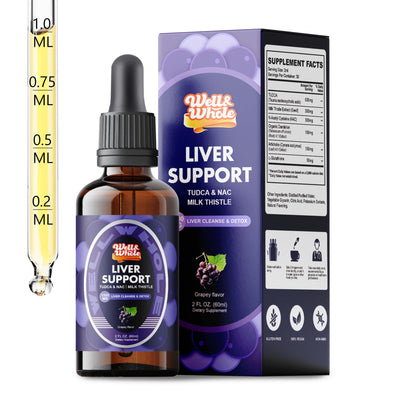
The well&whole Liver Support Liquid Drops combine all of these—TUDCA, NAC, milk thistle, dandelion, artichoke, and glutathione—in a single formula designed for comprehensive liver support, with dosing flexibility that older adults may find convenient.

The [well&whole TUDCA 1000mg Gummies with Milk Thistle](https://wellwholeshop.com) offer a simpler, pre-measured option focusing on TUDCA and milk thistle—two of the most relevant ingredients for age-related liver support.

Anabolic Resistance: The Muscle-Liver Connection
After 40, muscle protein synthesis becomes less responsive to dietary protein—a phenomenon called anabolic resistance. This has indirect but real liver implications:
- **Loss of lean mass** increases visceral fat, which drives NAFLD.
- **Reduced muscle metabolic activity** decreases insulin sensitivity.
- **Lower amino acid utilization** means the liver must process more nitrogen waste from inefficiently used dietary protein.
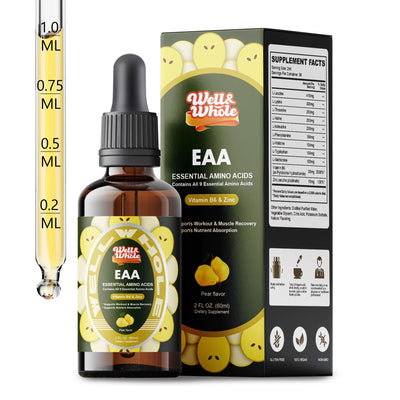
EAA supplementation can help older adults overcome anabolic resistance, as demonstrated by a 2018 study in the *American Journal of Clinical Nutrition*. The well&whole EAA Liquid Drops & Liver Support address both sides of this equation—EAAs for muscle protein synthesis, plus liver support for the organ that processes those amino acids.

FAQ
1. Why does liver health become more important after 40?
Liver blood flow, glutathione production, enzyme efficiency, and bile flow all decline with age. The liver becomes less resilient—more susceptible to medication stress, metabolic challenges, and slower recovery from any insult. Proactive support becomes more valuable as baseline capacity decreases.
2. Is NAFLD more common in older adults?
Yes. NAFLD prevalence increases significantly with age—from approximately 12% under 30 to 35–40% over 60. Age-related insulin resistance, hormonal changes, decreased physical activity, and cumulative dietary patterns all contribute.
3. Does menopause affect liver health?
Yes. Estrogen has anti-inflammatory and lipid-metabolism-supporting effects on the liver. Post-menopausal women lose this protection and show increased NAFLD prevalence and liver enzyme elevations. Proactive liver support becomes particularly relevant for women after menopause.
4. Are liver supplements safe for older adults?
Most liver support ingredients (milk thistle, NAC, TUDCA) are well-tolerated in older adults. However, medication interactions are a greater concern after 40, since older adults typically take more medications. Consult your healthcare provider before starting supplements, especially if you take prescription drugs.
5. Why is glutathione important for the aging liver?
Glutathione is the liver's primary antioxidant defense. Aging reduces glutathione production by 30–40%, leaving the liver more vulnerable to oxidative damage from medications, alcohol, metabolic stress, and environmental toxins. Replenishing glutathione (via NAC or direct supplementation) helps restore this critical defense.
6. Can exercise alone support liver health after 40?
Exercise is one of the most effective liver health interventions—reducing liver fat, improving insulin sensitivity, and supporting metabolic function. However, the aging liver also faces challenges (glutathione depletion, bile flow reduction) that exercise does not directly address. Combining exercise with targeted supplementation provides broader support.
7. How does medication load affect the aging liver?
The aging liver processes medications less efficiently due to reduced blood flow and CYP450 enzyme activity. Multiple simultaneous medications create cumulative metabolic demand that can stress the liver. Discuss medication load and liver-related side effects with your prescriber.
8. Should I get liver enzymes checked more often after 40?
Yes. Annual liver enzyme testing (ALT, AST, GGT) is a reasonable screening step for adults over 40, especially those with metabolic risk factors, regular medication use, or a family history of liver disease.
9. Can declining testosterone affect men's liver health?
Low testosterone is associated with increased visceral fat and insulin resistance—both risk factors for NAFLD. Testosterone also supports lean mass maintenance and metabolic function. Men experiencing age-related testosterone decline may benefit from proactive metabolic and liver support.
10. What is the most important thing I can do for my liver after 40?
Three things matter most: (1) Maintain a healthy weight and active lifestyle, (2) Be mindful of medication load and alcohol intake, and (3) Support glutathione production and bile flow through targeted supplementation. None of these alone is sufficient; together, they provide comprehensive protection.
Conclusion
After 40, your liver is still working—but it is working harder with less resources. Blood flow, glutathione, enzyme efficiency, and bile flow all decline, while metabolic demands and medication load often increase. This is not a crisis—it is a shift that calls for proactive, informed support.
The foundation remains diet, exercise, and weight management. But because aging creates specific vulnerabilities—glutathione depletion, bile flow reduction, drug metabolism slowdown—targeted supplements that address these gaps can make a meaningful difference.
well&whole Liver Support Liquid Drops and well&whole TUDCA 1000mg Gummies offer evidence-based ingredient combinations designed to support the aging liver's most pressing needs. Start the foundation, add the support, and give your liver what it needs to stay resilient through middle age and beyond.
Related supplements
Should you decide to supplement, Liver Support Liquid Drops Supplement | TUDCA Drops Liver Cleanse & Detox with Milk Thistle, NAC, Dandelion, Artichoke & Glutathione for Detox and TUDCA 1000mg Gummies with Milk Thistle 500mg for Adults are our formulation for this purpose. For a broader comparison, see the Liver Support and Milk Thistle collections.
These statements have not been evaluated by the Food and Drug Administration. This product is not intended to diagnose, treat, cure, or prevent any disease.