List of Non Essential Amino Acids and Their Functions
Explore a clear list of non essential amino acids and their functions with benefits sources and key health roles

When you hear the term "non-essential amino acids," it’s easy to think your body doesn't really need them.
That is a massive misconception.
In the world of protein synthesis, "non-essential" doesn't mean useless—it just means your body is smart enough to manufacture them on its own through de novo synthesis. Even though your liver and kidneys work around the clock to build these molecules, modern life has a habit of draining your reserves. High stress, intense workouts, and aging can instantly transform these internal nutrients into conditionally essential amino acids, meaning your body suddenly demands more than it can produce.
If you want to optimize your metabolic health, supercharge cellular energy production, or understand how your amino acid profile dictates everything from your sleep to your skin, you need to know how these 11 compounds function.
Let's look at exactly how these foundational building blocks keep your body running at its absolute peak.
The Science of Non-Essential Amino Acids (NEAAs)
When you hear the term "non-essential," it is easy to think these nutrients do not matter. In reality, your body cannot function without them. The name simply means you do not need to get them from your daily diet because your body works like an internal laboratory, constantly creating them on demand.
How the Body Synthesizes NEAAs
Your body builds these compounds through a process called de novo synthesis—which means creating them completely from scratch.
- The Starting Material: Your liver takes the breakdown products of carbohydrates and fats, alongside nitrogen from other dietary amino acids.
- The Transformation: Through metabolic pathways, the liver reshapes these basic blocks into the specific non-essential amino acids your system requires at that exact moment.
The Fuel Source for Cellular Energy Production
Non-essential amino acids are heavily involved in cellular energy production. When your body runs low on glucose, it converts specific NEAAs into fuel to keep your brain firing and your muscles moving. They act as a critical backup energy reserve that protects your lean muscle tissue from being broken down for fuel during intense workouts or fasting.
Why They Matter for Metabolic Health
Maintaining a balanced amino acid profile is foundational for your overall metabolic health. These molecules are the literal building blocks for protein synthesis, muscle tissue repair, immune cell production, and neurotransmitter balance. Without a steady internal supply of NEAAs, your body cannot properly repair cells, fight off illnesses, or keep your central nervous system running at peak performance.
Comprehensive List of Non-Essential Amino Acids and Their Functions
While your body can create these 11 amino acids on its own, they are absolute workhorses for your health. They manage everything from muscle recovery to brain function. Here is the complete list of non-essential amino acids and their functions in the human body:
1. Alanine
- Main Function: Cellular energy production and glucose metabolism.
- Key Role: Alanine helps convert simple sugars into usable energy and clears excess toxins from the liver during intense exercise.
2. Arginine (Conditionally Essential)
- Main Function: Nitric oxide production and blood flow regulation.
- Key Role: It relaxes blood vessels, supports cardiovascular health, and aids the kidneys in removing waste products from the body.
3. Asparagine
- Main Function: Central nervous system support and brain development.
- Key Role: Asparagine is required by neurons to maintain emotional balance and is deeply involved in the synthesis of many other cellular proteins.
4. Aspartic Acid (Aspartate)
- Main Function: Hormone production and neurobehavioral health.
- Key Role: It acts as an excitatory neurotransmitter and plays a massive part in the Krebs cycle, which is how your cells generate daily energy.
5. Cysteine
- Main Function: Antioxidant defense and skin health.
- Key Role: Cysteine serves as the primary precursor to glutathione, the body's master antioxidant, which neutralizes free radicals and detoxifies cells.
6. Glutamic Acid (Glutamate)
- Main Function: Brain power, learning, and memory.
- Key Role: This is the most abundant fast excitatory neurotransmitter in the nervous system, helping initiate the electrical impulses that keep your mind sharp.
7. Glutamine
- Main Function: Gut barrier integrity and muscle tissue repair.
- Key Role: Glutamine provides the primary fuel for immune cells and intestinal lining cells, making it crucial for digestive health and workout recovery.
8. Glycine
- Main Function: Collagen formation and sleep quality.
- Key Role: Glycine is the foundational building block for connective tissues. It also helps calm the brain, making it easier to fall into deep, restorative sleep.
9. Proline
- Main Function: Joint repair and skin elasticity.
- Key Role: Alongside glycine, proline is indispensable for collagen formation, helping heal wounds, protect cartilage, and maintain healthy blood vessels.
10. Serine
- Main Function: Phospholipid synthesis and cognitive performance.
- Key Role: Serine is vital for the creation of cell membranes and the myelin sheaths that insulate your nerves, ensuring smooth communication throughout the body.
11. Tyrosine
- Main Function: Stress response and mood regulation.
- Key Role: Tyrosine is the direct precursor to critical neurotransmitters like dopamine, epinephrine, and norepinephrine, which help you stay focused under mental or physical stress.
Understanding the Amino Acid Balance
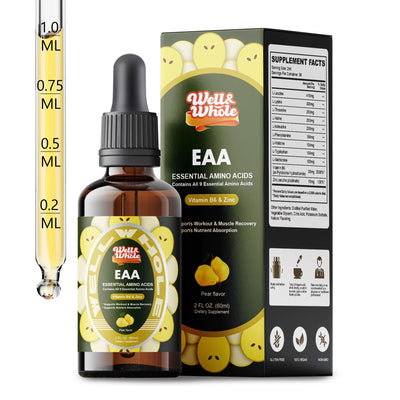
While your body handles the de novo synthesis of these 11 compounds, keeping your overall amino acid profile balanced is what protects your long-term metabolic health. If your body is low on the raw materials needed to build these internal proteins, it can impact your overall wellness. To ensure your body has all the foundational building blocks it requires, incorporating highly bioavailable essential amino acid supplements into your daily routine helps maintain a positive nitrogen balance so your internal lab can run at peak performance.
The Crucial Nuance: What Are "Conditionally Essential" Amino Acids?

While we often look at a list of non essential amino acids and their functions as absolute truths, the human body operates in a gray area. There are times when "non-essential" becomes completely vital. Under normal conditions, your body synthesizes these compounds de novo without a second thought. However, during periods of extreme physiological stress, severe illness, or intense physical trauma, your internal production line cannot keep up with demand. When your body's consumption rate outpaces its manufacturing speed, these amino acids must be brought in through dietary amino acids or targeted supplementation.
Triggers for Depletion
Your internal lab runs efficiently until a major physical stressor disrupts the system. The primary triggers that deplete your "non-essential" reserves include:
- Severe Physical Trauma: Deep burns, major surgeries, or systemic infections.
- Chronic Stress & Burnout: Prolonged high-stress states that exhaust neural pathways and deplete the precursors needed for healthy central nervous system function.
- Intense Athletic Training: Exhaustive workouts that demand rapid muscle tissue repair and continuous protein synthesis.
The Key Players
When your body is pushed to its limits, specific amino acids step into the spotlight to maintain metabolic health and nitrogen balance.
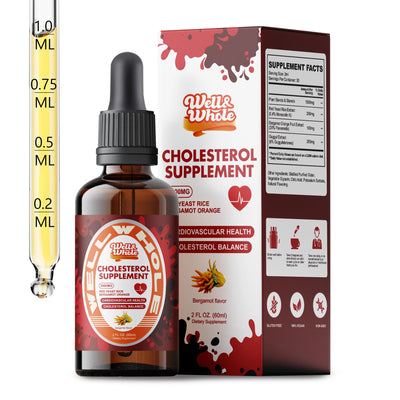
- Arginine: Critical for nitric oxide production, blood flow, and cardiovascular efficiency. If you are looking to support vascular health and blood pressure during stressful periods, integrating specialized nutrients like cholesterol support liquid drops can offer complementary circulatory benefits.
- Glutamine: The ultimate fuel source for rapidly dividing cells, particularly in the gut lining and the immune system. It drops drastically during muscle trauma.
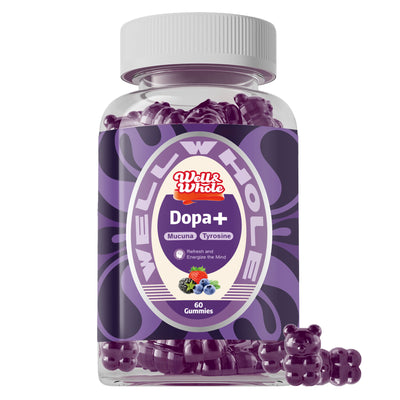
- Tyrosine: The foundational precursor for critical neurotransmitters like dopamine and adrenaline. When stress drains your cognitive reserves, supporting this pathway is essential. For direct cognitive and mood support, utilizing dopamine gummies with mucuna pruriens helps replenish the brain's natural feel-good chemicals when internal synthesis falls short.
- Cysteine: Functions as the primary precursor to glutathione, which is the body’s master antioxidant responsible for controlling cellular oxidative stress.
Dietary Sources: How to Support Your Body's Internal Lab
While your body handles the de novo synthesis of non-essential amino acids, you shouldn't leave all the heavy lifting to your internal lab. Eating a diet rich in diverse proteins provides the raw building blocks that optimize your overall amino acid profile, ensuring your system runs at peak performance without running out of raw materials.
Whole-Food Synergy
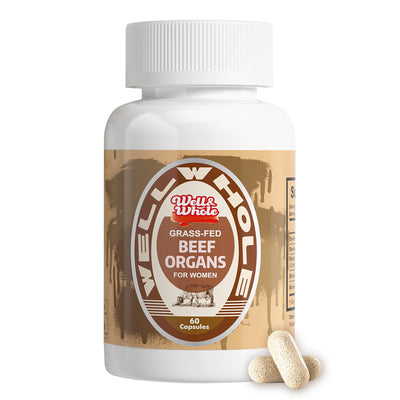
Getting your nutrients from whole foods creates a synergy that isolated supplements can't replicate. When you consume complete protein sources, you ingest a natural matrix of vitamins, minerals, and cofactors that actively assist with cellular energy production and metabolic health. For targeted metabolic and systemic support, incorporating nutrient-dense options like grassfed beef organ supplement capsules can provide a highly bioavailable blueprint of foundational nutrients that standard diets often lack.
Animal-Based Sources
Animal proteins are the most straightforward way to maintain a perfect nitrogen balance and support muscle tissue repair. Because these foods closely match human tissue composition, they deliver a highly efficient payload of both essential and dietary amino acids.
- Organ Meats: Liver, kidney, and heart are absolute powerhouses for foundational amino acids, particularly glycine and proline for collagen formation.
- Poultry and Eggs: Exceptional sources of alanine and aspartic acid, which are critical for daily energy production.
- Wild-Caught Fish: Provides the robust protein base required for the endogenous production of cysteine, a crucial precursor to glutathione.
- Dairy Products: Rich in glutamic acid and glutamine to fuel gut health and support the central nervous system.
Plant-Based Alternatives
You can absolutely maintain optimal amino acid levels on a plant-focused diet, though it requires a bit more strategy to ensure you hit all your requirements. Since individual plant foods often lack specific amino acids, combining different groups is key.
- Legumes and Lentils: Excellent sources of glutamic acid and aspartate to support metabolic health.
- Seeds (Hemp, Chia, Pumpkin): Packed with the building blocks needed for nitric oxide production and cardiovascular health.
- Soy Products (Tofu, Tempeh): One of the few plant-based complete protein sources that mirrors the efficiency of animal proteins.
- Grains (Quinoa, Amaranth): Deliver a steady stream of foundational nutrients to complement legume-based diets.
Frequently Asked Questions About Non-Essential Amino Acids
What is the main function of non-essential amino acids?
The main function of non-essential amino acids revolves around supporting protein synthesis, tissue repair, and immune defense. They serve as the foundational building blocks for creating cellular structures, managing metabolic health, and ensuring smooth communication within the central nervous system. Without them, your body cannot efficiently maintain everyday cellular energy production.
Can you be deficient in non-essential amino acids?
Yes, you can experience a functional deficiency. While your body utilizes de novo synthesis to manufacture these compounds internally, high-stress situations can deplete your natural reserves. Severe illness, intense physical trauma, or a poor diet can outpace your body's production capacity, making a well-rounded amino acid profile from external sources necessary to maintain a proper nitrogen balance.
What is the difference between essential and non-essential amino acids?
The primary difference comes down to whether your body can make them on its own:
- Essential Amino Acids: Your body cannot produce these at all. You must get them entirely through dietary amino acids or supplements.
- Non-Essential Amino Acids: Your body synthesizes these internally from other vitamins and nutrients, meaning you do not strictly need to consume them daily.
Is glutamine an essential or non-essential amino acid?
Glutamine is classified as a non-essential amino acid, but it is more accurately described as a conditionally essential amino acid. Under normal circumstances, your body creates all the glutamine it needs. However, during intense exercise, muscle tissue repair, or gut wall healing, your body's demand spikes, making external intake highly beneficial.
How does the body make non-essential amino acids?
The body relies on metabolic pathways to convert readily available compounds—like glucose, nitrogen, and other proteins—into these specific nutrients. This internal production line ensures a steady supply of building blocks for everything from collagen formation to creating an important excitatory neurotransmitter like glutamate. To support the overall metabolic pathways and nutrient absorption needed for these processes, many people supplement their routines with nutrient-dense options like grass-fed beef liver supplement gummies to provide a rich base of micronutrients.
Related supplements
If you're ready to put this into practice, our EAA Gummie 60 counts Essential Amino Acids Supplement Gummies for Men and Women and Essential Amino Acid (EAA) Liquid Drops & Liver Support Liquid Supplement are formulated with this in mind. You can also compare the Amino Acids and Muscle Support ranges to find the format that suits you.
These statements have not been evaluated by the Food and Drug Administration. This product is not intended to diagnose, treat, cure, or prevent any disease.