Leucine and Muscle Protein Synthesis: How Much Matters

Leucine is the switch that turns on muscle protein synthesis, but the switch only flips above a threshold of roughly 2 to 3 grams per meal. Below that amount, a protein serving can be perfectly nutritious and still fail to trigger the muscle-building response, which is why how much leucine you get matters as much as total protein.
Key takeaways
- Leucine acts as the trigger signal for muscle protein synthesis, the process of rebuilding muscle tissue.
- The commonly cited per-meal threshold is about 2 to 3 grams of leucine for younger adults.
- Older adults show anabolic resistance and may need more leucine or protein per meal for the same response.
- Whole proteins such as whey, eggs, and meat supply leucine naturally; distribution across meals matters.
- Supplements are most relevant on lower-protein days or for older adults with small appetites, not as a replacement for food.
The Trigger, Not the Fuel
Muscle protein synthesis runs continuously in both directions: muscle is broken down and rebuilt all day, and net gain depends on which side wins. Dietary protein tilts the balance, and leucine is the specific essential amino acid that initiates the signaling cascade inside muscle cells. Think of leucine as the ignition rather than the gasoline: without enough of it, the amino acids arriving in the blood have no instruction to be assembled into new muscle protein. This is why researchers stopped reporting only total grams of protein and started reporting the leucine content of a meal.
The Threshold Evidence
Work from Donald Layman's group and others found that a meal containing roughly 2.5 grams of leucine maximally stimulates muscle protein synthesis in young adults, while meals below about 1.7 grams produce a weaker response. A 100 gram serving of chicken breast or a scoop and a half of whey clears the bar easily. Plant proteins generally do not: a slice of bread, a spoonful of peanut butter, or a half cup of oats falls well short, which is why someone eating a mostly plant-based diet needs either larger portions, complementary sources, or a concentrated leucine source to reach the same threshold.
Anabolic Resistance in Older Adults
Aging changes the equation. Muscle from an older adult responds sluggishly to the same dose of amino acids, a phenomenon called anabolic resistance, closely tied to sarcopenia risk. Research suggests older adults may need closer to 3 grams of leucine per meal, or simply more total high-quality protein, to mount the same muscle protein synthesis response a 25-year-old gets from less. For an older adult whose appetite has shrunk, hitting the threshold three times a day from food alone is genuinely difficult, and this is the population where concentrated essential amino acid supplements have the clearest practical role.
Leucine Within Complete Protein
Leucine does not work alone. Building new muscle requires all nine essential amino acids available at once, and leucine is only the signal. Adding leucine alone to a low-protein meal produces a shorter, weaker synthesis response than a complete protein with the same leucine content, because the raw materials run out. This is the core argument for essential amino acid blends or complete proteins over isolated leucine pills: the signal and the materials should arrive together. It is also why the BCAA supplements of the last decade fell out of favor, since BCAAs supply only three of the nine.
Reading Labels for Leucine Content
Because the threshold is what matters, label literacy helps. A whey concentrate communicates its leucine through its amino acid profile, while a dedicated essential amino acid product usually states leucine grams per serving outright. Post workout is the most common slot for an EAA serving, but the more valuable use is often breakfast, the meal most likely to fall short. Someone eating toast and coffee has consumed almost no leucine by mid-morning, and adding a complete amino acid source there does more for daily muscle recovery than another serving layered onto an already protein-heavy dinner.
Practical Dosing Across the Day
Muscle protein synthesis responds per meal, not per day, so distribution matters. A common practical pattern is 25 to 40 grams of quality protein at each of three meals, which reliably clears the leucine threshold at each sitting. The post workout meal is one opportunity among several, not a magic window that forgives a protein-poor breakfast. On days when meals are small or irregular, an essential amino acid supplement containing roughly 2 to 3 grams of leucine can bridge the gap for muscle recovery, particularly for older adults or anyone recovering from illness, though it works alongside food rather than instead of it.

Frequently asked questions
How much leucine do you need per meal?
Research points to roughly 2 to 3 grams per meal to maximally stimulate muscle protein synthesis in younger adults, with older adults possibly needing the higher end due to anabolic resistance.
Which foods are high in leucine?
Whey, eggs, chicken, beef, fish, and dairy clear the threshold in normal portions. Most plant proteins require larger servings or complementary sources to reach the same leucine dose.
Is a leucine supplement alone a good idea?
Usually not by itself. Muscle building needs all nine essential amino acids available at once, so leucine works best inside a complete protein or a full essential amino acid blend.
Do older adults need more leucine?
Likely yes. Aging muscle shows anabolic resistance and responds sluggishly to the same dose, so older adults may need closer to 3 grams per meal or simply more total protein.
Related supplements
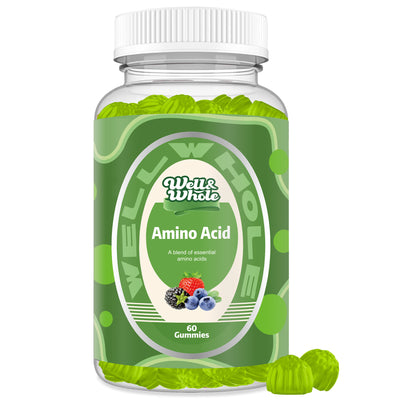
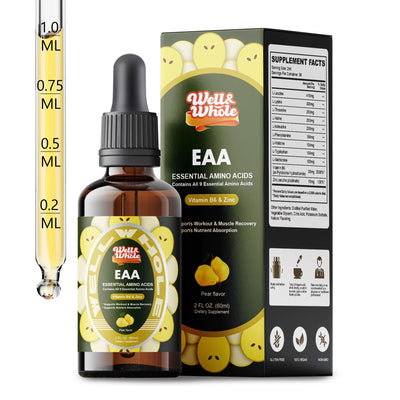
Should you decide to supplement, EAA Gummie 60 counts Essential Amino Acids Supplement Gummies for Men and Women and Essential Amino Acid (EAA) Liquid Drops & Liver Support Liquid Supplement are our formulation for this purpose. For a broader comparison, see the Amino Acids and Muscle Support collections.
These statements have not been evaluated by the Food and Drug Administration. This product is not intended to diagnose, treat, cure, or prevent any disease. Talk to a healthcare professional before starting any new supplement, especially if you are pregnant, nursing, taking medication, or managing a health condition.
These statements have not been evaluated by the Food and Drug Administration. This product is not intended to diagnose, treat, cure, or prevent any disease.