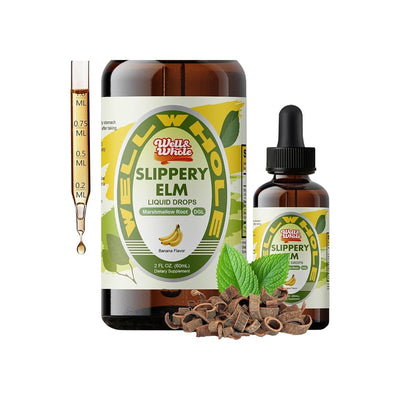
Leaky Gut Support: Can Slippery Elm Drops Help?
Discover how slippery elm liquid drops may support gut lining repair. Learn about leaky gut supplements, marshmallow root, and DGL licorice benefits.

If you've ever felt bloated after meals, experienced unexplained food sensitivities, or struggled with fatigue that no amount of sleep seems to fix, you may have encountered the concept of "leaky gut." Intestinal permeability—commonly called leaky gut—occurs when the tight junctions of your intestinal lining become compromised, allowing undigested food particles, toxins, and bacteria to pass through into the bloodstream. This can trigger systemic inflammation and a cascade of uncomfortable symptoms.
The good news? Nature has provided botanical remedies that have been used for centuries to soothe and support the gastrointestinal tract. Among the most promising is slippery elm (Ulmus rubra), a tree whose inner bark contains powerful mucilage compounds that may help coat and protect the intestinal lining.
In this article, we'll explore how well&whole Slippery Elm Liquid Drops—formulated with slippery elm, marshmallow root, and DGL licorice—may serve as a targeted leaky gut supplement. We'll examine the science behind mucilage, how these three botanicals work together, and what the research says about gut lining repair.

Understanding Leaky Gut: What Happens in Your Gut?
The Intestinal Barrier: Your First Line of Defense
Your intestinal lining is a remarkable structure. It covers a surface area of approximately 32 square meters (about the size of half a badminton court) and serves as a selective barrier, allowing nutrients to pass through while keeping harmful substances out. The integrity of this barrier depends on tight junctions—protein complexes that seal the spaces between intestinal epithelial cells.
When these tight junctions function properly, they maintain a healthy barrier. However, various factors can compromise their function:
- **Chronic stress**: Elevated cortisol can increase intestinal permeability
- **Poor diet**: High-sugar, processed-food diets may disrupt the microbiome
- **Medications**: Frequent use of NSAIDs (like ibuprofen) can damage the gut lining
- **Alcohol consumption**: Excessive intake may impair barrier function
- **Imbalanced gut microbiome**: Dysbiosis can contribute to inflammation
A landmark study published in the journal *Gut* demonstrated that increased intestinal permeability is associated with a range of gastrointestinal and systemic conditions, highlighting the importance of maintaining gut barrier integrity (1).
Symptoms Associated with Leaky Gut
While "leaky gut syndrome" is not currently a recognized medical diagnosis, increased intestinal permeability has been documented in research settings. Common complaints that patients associate with gut permeability include:
- Bloating and gas after meals
- Food sensitivities that seem to multiply
- Fatigue and brain fog
- Joint discomfort
- Skin issues such as acne or eczema flare-ups
- Irregular bowel habits
If you're experiencing persistent digestive symptoms, it's important to consult a healthcare provider for proper evaluation. However, for those looking to support overall gut health, certain botanical supplements may offer complementary benefits.
Slippery Elm: The Mucilage Powerhouse
What Is Slippery Elm?
Slippery elm (Ulmus rubra) is a species of elm tree native to eastern North America. Indigenous peoples have used its inner bark for centuries to soothe digestive complaints, treat wounds, and reduce inflammation. The bark contains a complex mixture of mucilage, tannins, and antioxidants that contribute to its therapeutic profile.
How Mucilage Works
The key to slippery elm's gut-supporting properties lies in its mucilage content. Mucilage is a viscous, gel-like substance formed by polysaccharides that, when mixed with water, creates a soothing coating. Here's how it may support gut lining repair:
1. **Physical barrier formation**: When slippery elm mucilage contacts the intestinal lining, it forms a gel-like layer that may protect compromised tissue from further irritation.
2. **Soothing action**: The mucilage may help calm inflammation in the gastrointestinal tract.
3. **Mucin stimulation**: Research suggests mucilage-containing herbs may stimulate mucus production in the gut, enhancing the natural protective layer.
A study published in the *Journal of Alternative and Complementary Medicine* found that slippery elm was among several botanicals that showed promise in supporting inflammatory bowel conditions, with researchers noting its mucilaginous properties as a key mechanism (2).
Why Liquid Drops?
Liquid formulations offer several advantages over capsules or powders:
- **Faster absorption**: Liquid extracts don't require breakdown in the stomach
- **Flexible dosing**: Easy to adjust serving size based on individual needs
- **Direct contact**: Liquid drops can more readily coat the throat and upper digestive tract
- **Bioavailability**: Alcohol or glycerin-based extractions may improve compound solubility
well&whole Slippery Elm Liquid Drops provide a convenient liquid format that allows for easy integration into your daily wellness routine.
The Synergy: Marshmallow Root + DGL Licorice
Marshmallow Root (Althaea officinalis)
Marshmallow root is another mucilage-rich herb that pairs naturally with slippery elm. Like slippery elm, it contains high levels of polysaccharides that form a soothing gel when hydrated. Research published in *Phytomedicine* demonstrated that marshmallow root extract exhibited significant anti-inflammatory effects on epithelial cells, supporting its traditional use for digestive and respiratory comfort (3).
Key benefits of marshmallow root for gut health:
- Additional mucilage that complements slippery elm's action
- May help soothe irritated mucous membranes throughout the digestive tract
- Contains flavonoids with antioxidant properties
DGL Licorice (Deglycyrrhizinated Licorice)
DGL is a form of licorice root from which glycyrrhizin—the compound responsible for potential blood pressure effects—has been removed. DGL has been extensively studied for its gastrointestinal benefits:
- **Mucus stimulation**: DGL may stimulate the production of protective mucus in the stomach and intestines
- **Anti-inflammatory action**: Research suggests DGL may help reduce inflammation in the digestive tract
- **Ulcer support**: A meta-analysis in the *Journal of Ethnopharmacology* noted that DGL showed promise in supporting gastric mucosal health (4)
The combination of slippery elm, marshmallow root, and DGL licorice creates a three-pronged approach to gut lining support:
- **Coating**: Mucilage from slippery elm and marshmallow root forms a protective gel
- **Soothing**: Anti-inflammatory compounds may help calm irritated tissue
- **Strengthening**: DGL may help stimulate the body's natural mucus production
How to Use Slippery Elm Drops for Gut Lining Repair
Suggested Usage
For those incorporating slippery elm into a gut-support protocol, consider the following guidelines:
1. **Timing**: Take 20-30 minutes before meals to allow the mucilage to coat the stomach lining before eating
2. **Hydration**: Always take with a full glass of water to activate the mucilage
3. **Consistency**: Daily use for at least 4-6 weeks may be needed to notice benefits
4. **Dosage**: Follow the product label instructions, typically 1-2 mL (approximately 28-56 drops) in water
Building a Gut-Support Routine
For comprehensive leaky gut support, consider combining slippery elm drops with:
- A nutrient-dense, whole-food diet rich in fiber and fermented foods
- Stress management practices such as meditation or yoga
- Adequate sleep (7-9 hours per night)
- Regular physical activity
- Probiotic-rich foods or supplements to support microbiome balance
Important Precautions
- **Medication timing**: Slippery elm mucilage may interfere with the absorption of oral medications. Take medications at least 2 hours before or after slippery elm.
- **Pregnancy and nursing**: Consult your healthcare provider before use
- **Allergies**: Those with elm tree allergies should avoid slippery elm
- **Existing conditions**: If you have a diagnosed gastrointestinal condition, consult your doctor before starting any new supplement
What the Research Says (and Doesn't Say)
It's important to be transparent about the evidence base. While slippery elm has a long history of traditional use and shows mechanistic promise, large-scale clinical trials specifically examining its effects on intestinal permeability are limited. Most evidence comes from:
- In vitro studies demonstrating mucilage's protective properties
- Traditional use spanning hundreds of years
- Small clinical studies on combination herbal formulas
- Animal studies showing anti-inflammatory effects
A review in the *World Journal of Gastroenterology* noted that while many botanicals show promise for gut health, more rigorous clinical trials are needed to confirm their efficacy (5). This is why we use careful, compliant language—"may help support" rather than "treats" or "cures."
FAQ
Q1: Can slippery elm cure leaky gut?
Slippery elm cannot "cure" leaky gut. Leaky gut (intestinal permeability) is not a recognized medical diagnosis, and no supplement can claim to cure it. However, slippery elm may help support gut lining integrity and soothe digestive discomfort as part of a comprehensive gut health approach.
Q2: How long does it take for slippery elm to work?
Some people report soothing effects within days of starting slippery elm, particularly for throat or stomach discomfort. For gut lining support, consistent use for 4-6 weeks or longer may be needed. Individual results vary.
Q3: Can I take slippery elm every day?
Slippery elm is generally considered safe for daily use by most adults when taken as directed. However, long-term use should be discussed with your healthcare provider, especially if you take medications or have underlying health conditions.
Q4: Does slippery elm interfere with medications?
Yes, the mucilage in slippery elm may reduce the absorption of oral medications. Always take medications at least 2 hours before or after taking slippery elm drops, and consult your pharmacist or doctor.
Q5: What makes the combination of slippery elm, marshmallow root, and DGL licorice effective?
These three botanicals work synergistically: slippery elm and marshmallow root provide mucilage that coats and soothes the digestive tract, while DGL licorice may support the body's natural mucus production and help maintain a healthy inflammatory response in the gut.
Q6: Are there side effects of slippery elm?
Slippery elm is generally well-tolerated. Mild side effects may include nausea or skin irritation in sensitive individuals. If you experience any adverse reaction, discontinue use and consult your healthcare provider.
Q7: Can children take slippery elm drops?
Slippery elm is sometimes used for children, but dosing should be determined by a pediatric healthcare provider. Do not give adult-dose supplements to children without professional guidance.
Q8: How does liquid slippery elm compare to capsules?
Liquid drops may offer faster absorption and allow the mucilage to more directly coat the throat and upper digestive tract. Capsules are more convenient for travel. Both formats can be effective; the choice depends on personal preference.
Conclusion
Leaky gut—or increased intestinal permeability—represents a growing area of interest in digestive health research. While the concept is still evolving, the importance of maintaining a healthy gut barrier is well-established. Slippery elm, with its rich mucilage content, offers a promising natural approach to supporting gut lining integrity.
When combined with marshmallow root and DGL licorice, as in well&whole Slippery Elm Liquid Drops, these three botanicals create a complementary formula designed to coat, soothe, and support the digestive tract. While not a cure, this formula may be a valuable addition to a gut-conscious lifestyle that includes a healthy diet, stress management, and regular exercise.
If you're looking for a leaky gut supplement that draws on centuries of traditional use and modern botanical science, slippery elm drops are worth considering. Take them consistently, stay hydrated, and pair them with a gut-friendly lifestyle for the best results.
Ready to support your gut lining? Explore well&whole Slippery Elm Liquid Drops today.
Related supplements
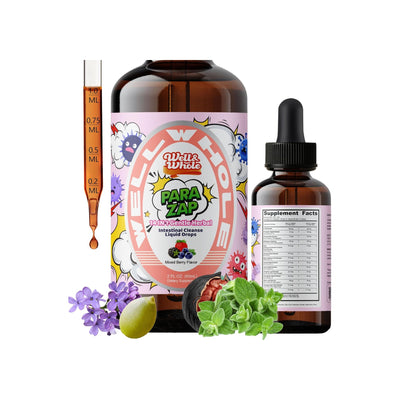
If you're ready to put this into practice, our Slippery Elm Liquid Drops, Marshmallow Root, Slippery Elm Bark Drops for Women, DGL Licorice Extract, Digestive Health, and Kids’ Black Walnut Digestive Support Drops, 14-in-1 Herbal Formula, Mixed Berry, Ages 1+, 2 fl oz are formulated with this in mind. You can also compare the Digestive Support and Health Benefits ranges to find the format that suits you.
These statements have not been evaluated by the Food and Drug Administration. This product is not intended to diagnose, treat, cure, or prevent any disease.