LDL vs HDL: Understanding Your Cholesterol Numbers
Confused about LDL, HDL, and triglycerides? Learn what each cholesterol number means, what's healthy, and how to support your lipid profile naturally.

You just got your blood work back, and there's a jumble of numbers: Total Cholesterol, LDL, HDL, Triglycerides. Your doctor mentioned something about "good" and "bad" cholesterol, but what does it all actually mean?
Understanding your cholesterol numbers is one of the most empowering things you can do for your heart health. These numbers tell a story about your cardiovascular risk—and once you understand them, you can take targeted action to improve them.
In this guide, we'll break down each component of your lipid panel in plain language, explain what the numbers mean, and share natural strategies to support a healthy cholesterol profile.
What Is Cholesterol?
Cholesterol is a waxy, fat-like substance that's essential for life. Your body needs it to:
- Build cell membranes
- Produce hormones (testosterone, estrogen, cortisol)
- Make bile acids for fat digestion
- Synthesize vitamin D from sunlight
Your liver produces about 75% of your body's cholesterol; the other 25% comes from food. Cholesterol travels through your bloodstream in particles called **lipoproteins**—and it's the different types of lipoproteins that your cholesterol panel measures.
The Four Numbers on Your Lipid Panel
1. Total Cholesterol
Total cholesterol is the sum of all cholesterol in your blood—LDL + HDL + VLDL (very low-density lipoprotein).
| Range (mg/dL) | Category |
|---|---|
| < 200 | Desirable |
| 200-239 | Borderline high |
| ≥ 240 | High |
While total cholesterol gives a general picture, it doesn't tell the whole story. The breakdown matters more than the total.
2. LDL ("Bad") Cholesterol
LDL (low-density lipoprotein) carries cholesterol from your liver to your cells. When there's too much LDL, it can deposit cholesterol in your artery walls, contributing to plaque buildup.
| Range (mg/dL) | Category |
|---|---|
| < 100 | Optimal |
| 100-129 | Near/above optimal |
| 130-159 | Borderline high |
| 160-189 | High |
| ≥ 190 | Very high |
**Why LDL matters**: A 2018 study in the *Journal of the American College of Cardiology* found that for every 39 mg/dL reduction in LDL, cardiovascular risk decreases by approximately 20-25%.
3. HDL ("Good") Cholesterol
HDL (high-density lipoprotein) does the opposite of LDL—it carries cholesterol away from your arteries and back to your liver for processing and removal.
| Range (mg/dL) | Category |
|---|---|
| < 40 (men) / < 50 (women) | Low (higher risk) |
| 40-59 (men) / 50-59 (women) | Acceptable |
| ≥ 60 | Optimal (protective) |
**Why HDL matters**: Higher HDL levels are associated with lower cardiovascular risk. HDL acts like a cholesterol scavenger, removing excess from your bloodstream.
4. Triglycerides
Triglycerides are a type of fat (not cholesterol) found in your blood. They come from excess calories your body converts to fat for storage.
| Range (mg/dL) | Category |
|---|---|
| < 150 | Normal |
| 150-199 | Borderline high |
| 200-499 | High |
| ≥ 500 | Very high |
**Why triglycerides matter**: High triglycerides often accompany low HDL and high LDL, creating a dangerous lipid profile pattern.
The Ratios That Matter
Total-to-HDL Ratio
This ratio compares your total cholesterol to your HDL. A lower ratio indicates lower risk.
| Ratio | Risk Level |
|---|---|
| < 3.5 | Low risk |
| 3.5-5.0 | Moderate risk |
| > 5.0 | High risk |
LDL-to-HDL Ratio
| Ratio | Risk Level |
|---|---|
| < 3.0 | Low risk |
| 3.0-5.0 | Moderate risk |
| > 5.0 | High risk |
What Affects Your Cholesterol Numbers?
| Factor | Effect on LDL | Effect on HDL | Effect on Triglycerides |
|---|---|---|---|
| Saturated fat | ↑ | — | — |
| Trans fat | ↑ | ↓ | — |
| Soluble fiber | ↓ | — | — |
| Omega-3 fatty acids | — | ↑ | ↓ |
| Plant sterols | ↓ | — | — |
| Regular exercise | — | ↑ | ↓ |
| Smoking | — | ↓ | — |
| Excess weight | ↑ | ↓ | ↑ |
| Refined sugar | — | ↓ | ↑ |
| Alcohol (moderate) | — | ↑ | ↑ (excessive) |
Natural Strategies to Improve Your Numbers
To Lower LDL
1. **Plant sterols**: 2g/day can reduce LDL by 8-12%
2. **Red yeast rice**: Contains monacolin K, may reduce LDL by 15-25%
3. **Soluble fiber**: Oats, beans, apples—10g/day can reduce LDL by 3-5%
4. **Reduce saturated fat**: Limit red meat, full-fat dairy, butter
5. **Eliminate trans fat**: Check labels for "partially hydrogenated oils"
To Raise HDL
1. **Regular aerobic exercise**: 30+ minutes, 5 days/week
2. **Omega-3 fatty acids**: From fish or supplements
3. **Olive oil**: Replace other fats with extra virgin olive oil
4. **Maintain healthy weight**: Even modest weight loss raises HDL
5. **Stop smoking**: Quitting can raise HDL by 5-10%
To Lower Triglycerides
1. **Reduce sugar and refined carbs**: Cut sodas, sweets, white bread
2. **Limit alcohol**: Alcohol significantly raises triglycerides
3. **Omega-3 fatty acids**: 2-4g/day can reduce triglycerides by 20-50%
4. **Exercise regularly**: Both aerobic and resistance training help
5. **Maintain healthy weight**: Weight loss is especially effective for triglycerides
The well&whole Approach
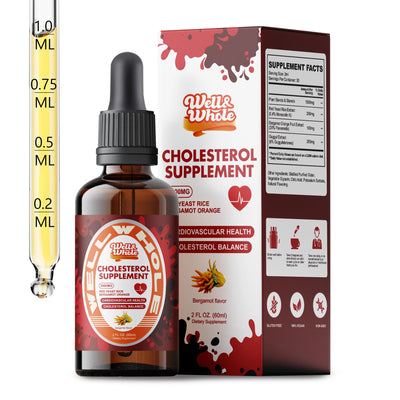
well&whole Cholesterol Support Liquid Drops combine plant sterols and red yeast rice to address LDL cholesterol through two complementary mechanisms—blocking absorption and modulating production.

How Often Should You Check?
| Your Situation | Recommended Frequency |
|---|---|
| Healthy adults (20+) | Every 4-6 years |
| Adults with risk factors | Every 1-2 years |
| Adults on cholesterol management | Every 3-6 months |
| Adults starting a new supplement | Baseline, then 6-8 weeks later |
FAQ
Q: What's more important—LDL or HDL?
A: Both matter, but they play different roles. LDL contributes to plaque buildup, while HDL helps remove cholesterol. The ratio between them is particularly important.
Q: Can I have high cholesterol and still be healthy?
A: Cholesterol is one risk factor among many. Some people with "high" cholesterol have excellent overall cardiovascular health due to other factors. However, elevated LDL remains a significant risk factor that shouldn't be ignored.
Q: My LDL is fine but my HDL is low. Should I worry?
A: Low HDL is a risk factor, but it's harder to raise than LDL is to lower. Focus on exercise, omega-3 intake, and avoiding trans fats.
Q: Can supplements replace statins?
A: For some people with mild cholesterol elevation, natural approaches may be sufficient. For others with high cardiovascular risk, statins are necessary. Always consult your healthcare provider.
Q: What's the fastest way to lower LDL?
A: Combining plant sterols, red yeast rice, and dietary changes (reducing saturated fat, increasing fiber) can produce noticeable LDL reduction within 4-6 weeks.
Q: Are eggs bad for cholesterol?
A: For most people, dietary cholesterol (from eggs) has minimal impact on blood cholesterol. The bigger culprits are saturated and trans fats.
Q: Can stress affect cholesterol?
A: Yes. Chronic stress can raise LDL and lower HDL through cortisol and other stress hormones.
Q: What if my numbers don't improve with natural approaches?
A: If lifestyle and supplement changes don't sufficiently improve your cholesterol after 3-6 months, discuss medical options with your healthcare provider.
Conclusion
Understanding your cholesterol numbers is the first step toward taking control of your heart health. LDL, HDL, triglycerides, and their ratios each tell part of the story—and together, they guide your strategy for cardiovascular wellness.
The most effective approach combines dietary changes, regular exercise, and targeted supplementation. well&whole Cholesterol Support Liquid Drops provide plant sterols and red yeast rice in a convenient dual-action formula to support healthy LDL levels—naturally and effectively.
Know your numbers. Understand what they mean. Then take action.
Related supplements
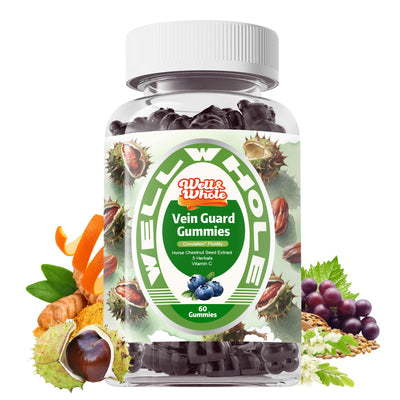
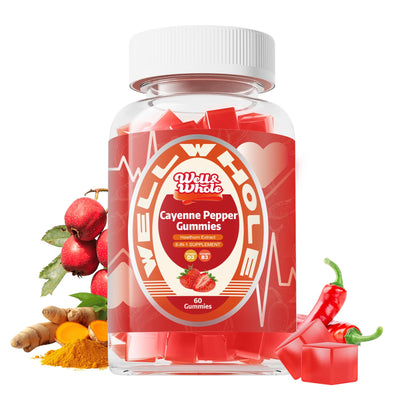
If you're ready to put this into practice, our well&whole Horse Chestnut Extract Gummies, Circulation Supplements for Legs and Cayenne Pepper Heart Health Gummies with Hawthorn & CoQ10 & Turmeric are formulated with this in mind. You can also compare the Heart Health and CoQ10 ranges to find the format that suits you.
These statements have not been evaluated by the Food and Drug Administration. This product is not intended to diagnose, treat, cure, or prevent any disease.