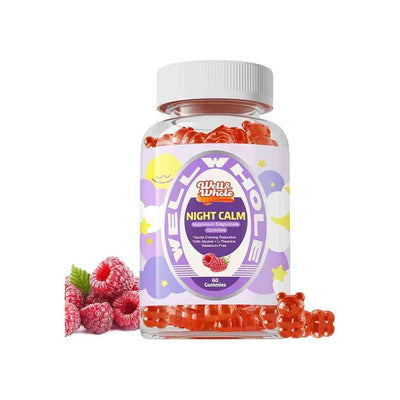
L-Theanine and Magnesium: Why the Pairing Works

L-theanine and magnesium are paired so often because they support relaxation through two different doors. L-theanine, the amino acid from green tea, promotes alpha-wave brain activity — a state of calm focus that stays alert — while magnesium supports healthy nerve signaling and normal muscle tone at the cellular level. Taken together in the evening, they cover complementary sides of the same wind-down, without the drowsiness push associated with melatonin.
Here is how each piece works, why the pairing is more than marketing, and what evidence-based servings look like.
What l-theanine actually does
L-theanine is unique to tea in the everyday diet, and its signature effect shows up on an EEG: increased alpha-wave activity, the brain rhythm associated with relaxed wakefulness — the state meditation aims for. Human trials using 100 to 200 mg have found subjects report feeling relaxed yet not sedated, which is the quality that separates theanine from every drowsiness-first option on the shelf.
The proposed mechanisms are a gentle brakes-and-throttle story: theanine influences GABA and glutamate signaling — the nervous system's main inhibitory and excitatory messengers — and appears to modestly support alpha activity within 30 to 60 minutes of a serving. Research also explores longer-term roles in attention and aspects of neuroplasticity, though that work is earlier-stage.
What magnesium brings to the pairing
Magnesium is a mineral, not an amino acid, and it works downstream of the brain rhythms theanine touches. It helps regulate NMDA receptor activity — the gate that keeps nerve cells from over-firing — and supports the inhibitory side of signaling that keeps everyday tension in check. It also participates in hundreds of enzymes involved in energy metabolism, which is why low intake tends to show up as general run-down feelings rather than one specific symptom.
The practical relevance: a meaningful share of adults take in less magnesium from food than recommended amounts, and the modern diet — refined grains, few leafy greens and seeds — makes shortfalls easy. For the pairing question, what matters is that theanine works on brain-wave tone while magnesium supports the cellular conditions the nervous system needs to settle.
Why the pairing works
Think of the two as tuning two different instruments in the same orchestra. Theanine adjusts the brain's overall rhythm toward relaxed alertness; magnesium supports the signaling environment that lets individual nerve cells downshift. Neither forces the other's effect, and neither creates dependency the way sedative-style aids can.
The result people usually describe is a slower inner tempo that still leaves them functional — reading, stretching, holding a conversation — rather than a switch that flips to unconsciousness. That is precisely the evening profile most people want: the day's momentum drained, the mind quiet, the body ready to accept rest when it comes naturally.
Servings and timing
The trials behind l-theanine's relaxation findings mostly used 100 to 200 mg, taken 30 to 60 minutes before the evening wind-down. Magnesium servings in studies range from roughly 200 to 400 mg of elemental magnesium; forms bound to glycine or as a chelate are popular for their gentler digestive profile. Many combination products place both ingredients in one evening serving for exactly this reason.
Two sensible cautions: magnesium can loosen stools at higher servings, so step up gradually; and anyone with reduced kidney function or on prescription medication should confirm the pairing with a healthcare professional, since magnesium is cleared renally.
How this differs from melatonin
Melatonin is a hormone that signals time-of-day to the body clock — it says "it is night now" and pushes timing, not relaxation. Theanine and magnesium say nothing about timing; they support the relaxed state that lets natural rest arrive on schedule. For occasional travel or schedule shifts, melatonin has a specific, evidence-based job. For the ordinary over-tired evening, the theanine-plus-magnesium pairing addresses the state itself without touching hormone signaling — which is why many people use them for different situations rather than stacking all three.
Key takeaways
- L-theanine promotes alpha-wave activity and calm focus without sedation, typically studied at 100 to 200 mg.
- Magnesium supports healthy nerve signaling and normal muscle tone, and many adults fall short of recommended intakes from food alone.
- The pairing works because the two act on complementary pathways — brain-wave tone and cellular signaling — rather than the same receptor.
- An evening serving 30 to 60 minutes before wind-down is the evidence-aligned pattern; step magnesium up gradually.
- Unlike melatonin, neither ingredient pushes timing — they support the relaxed state that lets rest arrive naturally.

Frequently asked questions
Can I take l-theanine and magnesium together every day?
At everyday servings, both have long histories of regular use, and no interaction between them is established — they act on different pathways. Anyone taking prescription medication, or managing a kidney condition, should run the plan past a healthcare professional first.
Will the pairing make me drowsy the next morning?
Theanine's studied profile is relaxation without sedation, and magnesium at moderate servings is not associated with morning grogginess in healthy adults. If you notice heavy-headedness, the usual fix is a lower serving, not abandonment.
How long before I notice anything?
Theanine's acute effects on subjective relaxation are typically felt within the first hour of a serving. Magnesium's contribution is quieter and depends on your starting intake; people with low dietary intake often report steadier evenings over several weeks of consistent use.
Is a combination product better than two separate bottles?
Only for convenience — the evidence does not show synergy from sharing one capsule. A combined evening product simplifies the routine, which is itself a real adherence benefit; separate bottles let you adjust each serving independently.
Related supplements
Should you decide to supplement, Magnesium Bisglycinate Gummies with Apigenin & B6, Melatonin Free, 60 Ct | Gentle on Stomach, Chelated with Glycine, Night Calm Routine is our formulation for this purpose. For a broader comparison, see the Brain Health and Mood Support collections.
These statements have not been evaluated by the Food and Drug Administration. This product is not intended to diagnose, treat, cure, or prevent any disease. Talk to a healthcare professional before starting any new supplement, especially if you are pregnant, nursing, taking medication, or managing a health condition.
These statements have not been evaluated by the Food and Drug Administration. This product is not intended to diagnose, treat, cure, or prevent any disease.