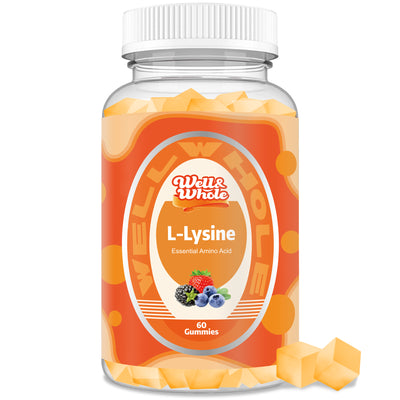
l lysine supplement vegan

Fueling Your Plant-Based Journey with Targeted Lysine Support
Embracing a vegan lifestyle comes with a deep sense of purpose—you nourish your body while being kind to animals and the planet. You probably already combine grains and legumes, keep an eye on B12, and choose fortified plant milks. Yet even the most thoughtful eaters can overlook one critical building block: L-lysine. This essential amino acid is heavily concentrated in animal foods, and while it does appear in certain pulses and seeds, the quantities often fall short of what your body actively needs. That’s where a clean, vegan-friendly L-lysine supplement can step in to bridge the gap effortlessly. At well&whole, we understand these nuances and formulate our supplements to fit seamlessly into your values—no animal derivatives, no questionable fillers, just pure support for your daily rhythm.
Why Plant-Based Eaters Often Run Low on Lysine
Lysine is considered essential because your body cannot manufacture it; you must obtain it from food or supplementation. It plays a central role in producing carnitine, a molecule that helps convert fatty acids into energy, and it’s a key player in calcium absorption and collagen formation. In an omnivorous diet, eggs, dairy, poultry, and fish provide abundant lysine. On a vegan diet, the best sources are lentils, chickpeas, tempeh, and quinoa. However, lysine tends to be the limiting amino acid in cereal grains like rice, wheat, and corn—staples that form the backbone of many plant-based diets. Add to this the fact that cooking methods and long storage times can degrade lysine content, and it becomes clear why even well-planned vegan diets might leave a subtle but meaningful gap. For older adults, athletes, or anyone dealing with frequent stress, that gap can widen, making targeted support genuinely valuable.
Bottom line: Even vibrant vegan meals can deliver less-than-optimal lysine, which makes a mindful supplementation strategy a simple way to protect your nutritional base.
The Ripple Effect of a Thoughtfully Designed Vegan Lysine Supplement
When you introduce a vegan L-lysine supplement into your routine, the benefits often extend far beyond just “checking an amino acid box.” Lysine fosters strong immune resilience, partly because it helps regulate the body’s response to everyday invaders and can reduce the frequency of occasional cold sores. It also supports the structural integrity of your skin and joints by aiding in the production of collagen, the scaffolding protein that keeps tissues firm and flexible. Fitness-minded vegans might appreciate that adequate lysine intake promotes muscle repair after tough training sessions and works in harmony with a high-protein plant-based diet. Moreover, lysine improves the absorption of calcium in the intestine, which can be a subtle yet powerful ally for long-term bone health—something many vegans actively think about. These effects aren’t theoretical; numerous users report feeling a difference in recovery time and everyday vitality after consistently taking a plant-based l-lysine supplement. Adding it to your morning glass of water or post-run smoothie can be the small tweak that yields a noticeable lift in your overall wellbeing.
Bottom line: A consistent, vegan-friendly lysine supplement targets immunity, recovery, and skin health without forcing you to compromise your ethics.
What Makes a Vegan L-Lysine Supplement Truly Trustworthy—and How well&whole Delivers
Not all lysine products are created equal, and labels can sometimes be misleading. When you’re scanning the market, look for a supplement that is explicitly certified vegan, non-GMO, and free from magnesium stearate or artificial colors. The source of the lysine itself matters: many manufacturers derive it from animal feathers or fur through an extraction process, which clearly clashes with cruelty-free standards. At well&whole, we use fermentation-based L-lysine hydrochloride produced from plant substrates, ensuring the final capsule is 100% animal-free from seed to shelf. Our manufacturing partners run rigorous third-party purity tests, and we openly share these results because transparency builds genuine trust. The capsule shell itself is made from vegetable cellulose, not gelatin, so you never have to second-guess what you’re putting into your body. This level of care is what turns a routine purchase into a wellness ritual, giving you the confidence that your search for the best plant-based L-lysine supplement has landed in a truly aligned place.
Bottom line: Choosing a supplement that is fermented, vegan-capsuled, and rigorously tested transforms lysine from a generic pill into a conscientious daily companion.
Seamlessly Weaving well&whole Vegan Lysine into Your Real-Life Routine
Incorporating well&whole L-Lysine into your day needn’t feel clinical. Most people find a single 1000 mg capsule taken with breakfast works beautifully, as taking it alongside a meal can enhance absorption and minimize any fleeting stomach sensitivity. If you’re active, pairing lysine with a source of vitamin C—like a citrus fruit or a handful of bell peppers in your scramble—can further support collagen synthesis, amplifying the beneficial effect on your skin and joints. Keep the bottle visible on your kitchen counter or next to your nutrient-packed smoothie ingredients; this small visual nudge turns supplementing into a natural part of your flow rather than an afterthought. Consistency is the real secret, so attaching it to an existing habit—like your morning coffee ritual or your post-lunch wind-down—helps you stay on track without extra mental effort. Whether you’re a health coach recommending it to clients or a busy parent navigating plant-based family meals, a reliable vegan L-lysine supplementation routine adds steady support without adding complexity.
Bottom line: The simplicity of a single daily capsule, paired with foods you already love, makes lysine support an invisible yet impactful upgrade to your vegan lifestyle.
Frequently Asked Questions
1. Can I realistically get enough lysine from a vegan diet without any supplements?
It’s possible but often tricky. While tofu, tempeh, lentils, and seitan are lysine-rich, not everyone consumes them in sufficient quantities every day. Factors like caloric deficits, heavy reliance on refined grains, and cooking losses can lower your actual intake. A modest vegan supplement like well&whole L-Lysine acts as a safety net, giving you peace of mind without overhauling your whole diet.
2. How do I know well&whole L-Lysine is genuinely vegan and free from hidden animal derivatives?
We rely on fermentation technology, never on animal-derived raw materials. Each ingredient is vetted for vegan compliance, the capsule shell is plant-based, and the finished product undergoes independent testing. We make these certificates accessible because we believe your values deserve visible proof.
3. What is the ideal daily dosage of vegan lysine for a healthy adult?
A standard maintenance dose is around 1000 mg (1 gram) per day for most adults. If you are highly active or have specific wellness goals, you might discuss a slightly higher intake with a healthcare professional. Always start with the label recommendation and adjust based on how your body responds.
These statements have not been evaluated by the Food and Drug Administration. This product is not intended to diagnose, treat, cure, or prevent any disease.