L-Lysine Dosage Per Day Guide Safe Amounts and Wellness Benefits

The Science Behind L-Lysine: Core Functions and Evidence-Based Benefits
L-lysine is an essential amino acid, which means your body can’t make it on its own—you need to get it through food or supplements. But why is lysine so important? It plays a vital role in protein synthesis, helping build muscle, repair tissues, and produce enzymes and hormones. Simply put, lysine is a building block for your body’s growth and maintenance.
Wondering about its plus side beyond muscle health? Research shows lysine benefits for cold sores by blocking the replication of the herpes simplex virus, making it a popular choice for preventing outbreaks. Plus, lysine supports the immune system, aids calcium absorption for bone health, and even helps with stress by contributing to neurotransmitter production.
In short, l-lysine goes beyond just being a protein piece—it’s a multitasker contributing to overall wellness, immune defense, and recovery. Understanding these scientific facts can empower you to make smart choices about your daily lysine intake recommendations.
Recommended Daily L-Lysine Dosage: Baseline Needs and Condition-Specific Guidelines
For most healthy adults, the baseline daily lysine intake ranges from 800 mg to 1,000 mg to support normal body functions such as protein synthesis and muscle repair. This amount covers general nutritional needs and helps maintain adequate amino acid levels.
However, certain conditions call for higher doses of L-lysine. For example:
- Cold sore prevention and treatment: Clinical studies suggest taking 1,000 mg to 3,000 mg per day can reduce outbreaks and speed healing.
- Herpes management: Similar doses between 1,000 mg and 3,000 mg daily are often recommended to reduce the frequency and severity of flare-ups.
- Muscle recovery and stress reduction: Athletes or those under physical stress might benefit from increased intake, sometimes up to 3,000 mg per day, to support recovery and immune function.
It’s important to tailor your lysine dosage based on your personal health goals and consult a healthcare provider for guidance, especially if you have specific conditions. Starting with a low dose and adjusting as needed is a smart way to ensure safety and effectiveness.
For an easy way to boost your daily lysine along with other immune supports, consider combining it with well-balanced options like vitamin C and zinc gummies. These combinations can promote overall wellness and help you stay on track. Check out well-crafted immune support formulas for more details.
Recommended Daily L-Lysine Dosage: Maximum Safe Limits and Factors Influencing Dosage
When it comes to L-lysine dosage, more isn’t always better. The generally recognized safe limit for adults is around 3,000 mg (3 grams) per day. Taking more than this doesn’t usually offer added benefits and could increase the risk of side effects like stomach pain or diarrhea. For most people, sticking to doses under this threshold is wise.
Several factors influence how much L-lysine you might need or tolerate:
- Age and health status: Older adults or those with kidney issues may require lower doses.
- Purpose of use: For managing cold sores or herpes prevention, doses often range between 1,000 to 3,000 mg daily depending on severity.
- Dietary intake: If you already consume lysine-rich foods, you might need less from supplements.
- Form of supplement: Lysine gummies or capsules can have different absorption rates.
If you’re considering higher doses or combining L-lysine with other essential amino acid supplements, it’s smart to consult a healthcare pro first. Integrating L-lysine smartly, alongside tips from experts on choosing the right supplement, helps you stay safe and effective.
How much, and for what
Lysine requirements are usually discussed in terms of maintenance — the amount needed to stay in nitrogen balance — which is different from the amounts studied for specific outcomes. Maintenance intake for adults sits around 12 mg per kilogram of body weight per day, which for most people is comfortably met by a mixed diet containing meat, dairy, fish or eggs.
The amounts used in studies on cold sore frequency are considerably higher, typically in the range of 1,000–3,000 mg daily, and often split across the day rather than taken at once. That split is not cosmetic: lysine absorption is saturable, so a single large dose is absorbed less efficiently than the same amount divided. If you are supplementing for a specific reason rather than general intake, divided dosing is the more sensible default.
Is there an upper limit?
No tolerable upper intake level has been set for lysine, and short-term studies at a few grams daily have shown a good tolerability record in healthy adults. The reported side effects at higher intakes are gastrointestinal — cramping, nausea, diarrhoea — which is what you would expect from any amino acid taken in quantity.
Two caveats worth stating plainly. First, lysine competes with arginine for transport, which is the basis of the cold sore hypothesis; it also means very high lysine intake is not a neutral intervention in amino acid balance. Second, people with kidney or liver disease should not supplement amino acids in gram quantities without medical oversight, because that is where the assumption of "it is just an amino acid" stops holding.
Timing and food
Lysine is absorbed well regardless of meals, but taking it with food reduces the chance of gastrointestinal complaints at higher doses. Consistency matters more than the hour of day. If you take it for cold sore frequency, the studied protocols use continuous daily dosing rather than episodic dosing at the first tingle, though many people use it intermittently — the evidence supports the continuous approach better.
Where it fits
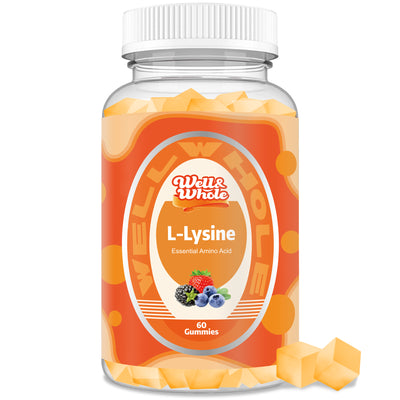
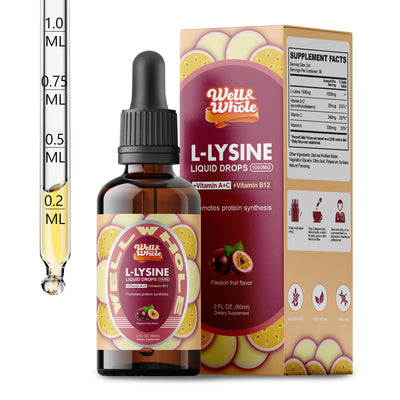
Lysine is an essential amino acid with a defined job, not a general wellness supplement. If you want to compare formats, our L-lysine 1000mg gummies suit daily use, while the liquid drops allow easier dose adjustment. See the full L-lysine collection for the comparison.
These statements have not been evaluated by the Food and Drug Administration. This product is not intended to diagnose, treat, cure, or prevent any disease.