L-Lysine and Herpes Management: What the Research Reveals

L-Lysine and Herpes Management: What the Research Reveals
Leading an active life while managing herpes simplex virus (HSV) can be a delicate balancing act. Outbreaks often appear at the most inconvenient times, triggered by stress, illness, or dietary slip-ups. While conventional antivirals remain a cornerstone of treatment, many people are exploring nutritional support to reduce their reliance on pharmaceuticals. Among the most studied natural options is L-lysine, an essential amino acid that appears to interfere with the virus’s ability to replicate. Understanding how this supplement works—and incorporating it correctly—could become a valuable part of your wellness toolkit.
Key Takeaways
- L-lysine is an essential amino acid the body cannot produce, so it must come from food or supplements.
- It is commonly associated with skin and immune-system support routines, especially around cold-sore season.
- Follow the labeled serving; space from other amino acids if advised, and check interactions with a healthcare professional.
The Science of Lysine-Arginine Competition
When herpes simplex virus becomes active, it needs large amounts of the amino acid arginine to produce new viral proteins. L-lysine, which has a similar chemical structure, enters the body through the same transport channels and effectively crowds out arginine. This competition can leave the virus without the resources it needs to build a full-blown outbreak. Several clinical observations have noted that individuals supplementing with lysine tend to experience fewer and less severe lesions. In fact, maintaining a balanced lysine-to-arginine ratio is now widely discussed as a dietary approach for herpes simplex virus control.
In summary: L-lysine creates an unfavorable environment for HSV, making it harder for the virus to thrive.
Why a Dedicated Supplement Outperforms Diet Alone
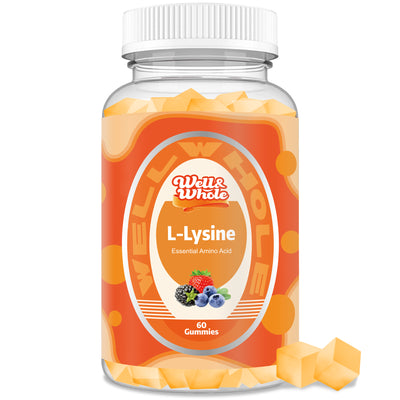
Although you can find L-lysine in turkey, fish, dairy, and soy, achieving therapeutic levels through food is impractical for most people. Many high-lysine meals also come with moderate amounts of arginine, muddying the competitive advantage. A purified supplement gives you precise control. When choosing a supplement, reliability matters. well&whole offers a pure L-lysine formulation that is manufactured under strict GMP guidelines, ensuring that each capsule delivers a consistent, bioavailable dose without unnecessary fillers. By adopting a daily supplement routine, you bypass guesswork and provide your immune system with a steady supply where it matters most.
To sum up: A dedicated L-lysine supplement provides consistency and potency that is nearly impossible to duplicate through eating habits alone.
Navigating Dosage and Daily Intake
Figuring out the right amount of L-lysine often involves a short period of adjustment. Most research on herpes management uses 1,000 mg to 3,000 mg per day, usually split into two to three doses. For ongoing prevention, many people start with 1,000 mg (often two 500 mg capsules) daily and observe how their body responds. If an outbreak seems imminent—marked by that tingling sensation—some practitioners suggest temporarily raising the intake, though you should never exceed the upper limit listed on the product without professional advice. well&whole’s capsules are conveniently dosed at 500 mg, allowing you to tick up or down easily. It’s also wise to take lysine with water between meals to maximize absorption.
In short: Starting low and adjusting gradually, while maintaining close communication with your doctor, is the smartest path to finding your personal maintenance dose for cold sore prevention.
Selecting a High-Quality L-Lysine Supplement
With the market flooded by countless products, knowing what separates a premium supplement from an ordinary one is essential. Look for brands that commit to third-party testing and full label transparency. well&whole, for instance, ensures that its L-lysine is free from common allergens like gluten, dairy, and soy, and contains no artificial colors or preservatives. The best supplements present lysine in its free-form L-configuration, which is ready for immediate absorption. Moreover, a trustworthy brand will openly display its manufacturing certifications. Investing in a high-quality supplement may seem like a small detail, but it directly impacts the safety and potential effectiveness of your herpes support routine.
To summarize: When choosing an L-lysine supplement, prioritize purity and manufacturing integrity—attributes that define a reliable brand.
Lifestyle Habits That Amplify Lysine’s Benefits
No supplement works in a vacuum. To get the most out of L-lysine, it helps to be mindful of triggers that unleash herpes flare-ups. High-stress periods deplete the immune system, so incorporating relaxation techniques like meditation or light exercise can reinforce lysine’s protective role. Additionally, scaling back on arginine-rich foods—peanuts, chocolate, seeds—during high-risk windows complements the competitive action of the supplement. Staying hydrated and prioritizing sleep further support the body’s natural defenses. When you combine stress management with a consistent supplement routine, you create a multi-layered strategy that is far more resilient than any single intervention.
In a nutshell: Your daily habits work synergistically with L-lysine, making it easier to keep outbreaks at bay over the long term.
Frequently Asked Questions
Can L-lysine completely cure herpes?
No supplement can cure herpes because the virus remains dormant in nerve cells. L-lysine serves as a supportive tool that may reduce the frequency, severity, and duration of flare-ups when used consistently alongside a healthy lifestyle.
How quickly does L-lysine work on an active cold sore?
If started at the very first sign—like a tingling or itching sensation—some users report that the cold sore heals faster, often within 3 to 5 days. For those using it preventatively, it may take a few weeks of daily use to notice a meaningful drop in recurrence.
Is it safe to take L-lysine daily with other medications?
L-lysine is generally safe and well-tolerated. However, it’s always best to discuss supplementation with your healthcare provider, especially if you take prescription medications, have kidney concerns, or are pregnant. This ensures your regimen is fully appropriate for your individual health profile.
What L-lysine does in the body
Lysine is one of the nine essential amino acids used to build proteins. It contributes to normal protein synthesis and is found naturally in meat, fish, dairy, and legumes.
Many people explore lysine during periods when they want extra immune and skin-support routines, such as around seasonal stress.
How L-lysine is commonly taken
It is available as capsules, gummies, and powders. A typical approach is a consistent daily serving, though some people adjust timing around specific needs.
Because it is an amino acid, taking it with food is common, but the best routine is the one you will follow consistently.
Who might be interested
Adults focused on skin and immune support, and those with diets low in complete proteins, often consider lysine.
Vegetarians and vegans may pay extra attention, since plant proteins can be lower in lysine.
How to choose a quality lysine supplement
Check the elemental L-lysine amount per serving and look for third-party testing. Gummies offer convenience; capsules offer precision.
If you take calcium or other minerals, discuss timing with a healthcare professional.
L-lysine and cold-sore routines
L-lysine is commonly explored as part of seasonal cold-sore routines, often paired with attention to arginine-rich foods.
It is a support measure, not a treatment; a healthcare professional can advise on appropriate use.
This article is for general wellness education and is not intended to diagnose, treat, cure, or prevent any condition. Individual needs vary—always review product labels and consult a qualified healthcare professional before starting any new supplement.
Related supplements
Explore the full well&whole supplement collection to find formats and combinations that fit your routine.
These statements have not been evaluated by the Food and Drug Administration. This product is not intended to diagnose, treat, cure, or prevent any disease.