Kids Supplement Safety: What Every Parent Should Know
Kids supplement safety guide for parents. Learn about dosing, quality, interactions, and how to choose safe supplements for your children.

As parents, we want the best for our children's health. When diet alone isn't enough, supplements can fill nutritional gaps and support specific health goals. But the world of children's supplements can be confusing—and safety should always come first.
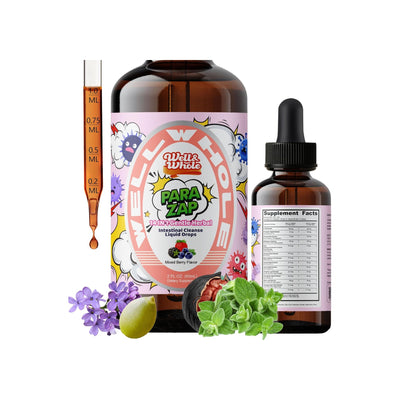
Children are not small adults. Their bodies process supplements differently, their nutritional needs are unique to their developmental stage, and they may be more sensitive to certain ingredients. This comprehensive safety guide covers everything parents need to know about choosing, dosing, and managing supplements for children—including well&whole Black Walnut Gut Cleanse Liquid for Kids and other products in the well&whole lineup.

Principle #1: Consult Your Pediatrician First
The Most Important Step
Before giving your child any supplement—whether it's a daily vitamin, an herbal formula, or a gut cleanse—discuss it with your pediatrician. Your child's doctor can:
1. **Assess whether a supplement is needed**: Many children get adequate nutrition from a balanced diet
2. **Identify potential interactions**: With medications or other supplements
3. **Recommend appropriate dosing**: Based on your child's age, weight, and health status
4. **Monitor for side effects**: Help you watch for adverse reactions
5. **Rule out underlying conditions**: Ensure symptoms aren't related to a medical condition that needs treatment
What to Tell Your Pediatrician
- All supplements your child currently takes
- All medications your child takes
- Your child's diet and eating habits
- Any health conditions or allergies
- Why you're considering the supplement
- The specific product you're considering (bring the label or product page)
Principle #2: Choose Age-Appropriate Products
Why Age Matters
Children's supplement needs change dramatically as they grow:
| Age Group | Key Considerations |
|---|---|
| Infants (0–12 months) | Most supplements not recommended; breast milk or formula provides nutrients |
| Toddlers (1–3 years) | Very limited supplement use; liquid formats preferred; very low doses |
| Preschool (3–5 years) | Some supplements may be appropriate; liquid or gummy formats; low doses |
| School-age (6–12 years) | More supplement options; gummies, liquids, or small capsules; moderate doses |
| Teens (13+) | Most adult supplements may be appropriate at adjusted doses |
Look for Products Specifically Formulated for Children
Products formulated for children, like well&whole Black Walnut Gut Cleanse Liquid for Kids, are designed with:

- Age-appropriate ingredient selection
- Lower, safer doses
- Child-friendly formats (liquid, gummies)
- Clear dosing instructions by age
**Never give a child an adult-formulated supplement** without specific guidance from a pediatrician.
Principle #3: Understand Proper Dosing
Dose by Weight, Not Just Age
While most supplement labels provide dosing by age, dosing by weight is often more accurate—especially for children who are significantly above or below average weight for their age.
General Dosing Guidelines
| Approach | Description |
|---|---|
| Start low | Begin with the lowest recommended dose |
| Gradual increase | If needed, gradually increase within the recommended range |
| Never exceed | Never give more than the maximum recommended dose |
| Consistent timing | Give at the same time(s) each day |
| Follow the label | Always follow product label instructions |
The Liquid Advantage for Dosing
Liquid supplements, like well&whole Black Walnut Gut Cleanse Liquid, allow for precise dose adjustment based on your child's needs. This is particularly important for:
- Younger children who need very small doses
- Children between age categories (e.g., a 5-year-old may need a dose between the 4-year and 6-year recommendations)
- Children who are significantly above or below average weight
Principle #4: Choose Quality Products
What to Look For
When choosing supplements for your children, look for:
1. **Clear labeling**: All ingredients and doses should be clearly listed
2. **Age-specific formulation**: Products designed for children, not repackaged adult products
3. **Quality manufacturing**: Products made in facilities following good manufacturing practices (GMP)
4. **Third-party testing**: Products tested for purity and contaminants
5. **Reputable manufacturer**: Brands with transparent practices and good reputation
6. **Appropriate format**: Liquid or gummy formats are often best for children
7. **No unnecessary additives**: Avoid products with excessive fillers, artificial colors, or unnecessary sweeteners
Red Flags to Avoid
- Products with vague ingredient lists
- Products that make unrealistic health claims
- Products without clear dosing instructions
- Products from unknown or unverifiable manufacturers
- Products marketed with fear-based messaging
- Products that claim to replace medical treatment
Principle #5: Be Aware of Interactions
Supplement-Medication Interactions
Just because a supplement is "natural" doesn't mean it can't interact with medications. Common interactions to be aware of:
| Supplement Type | Potential Medication Interaction |
|---|---|
| Herbal gut cleanses (e.g., black walnut) | May interact with certain medications; consult pediatrician |
| Iron supplements | Can interact with certain antibiotics |
| Calcium supplements | Can interfere with some medication absorption |
| Vitamin K | Can interact with blood thinners |
| St. John's Wort | Can interact with many medications |
Always provide your pediatrician with a complete list of all supplements and medications your child takes.
Supplement-Supplement Interactions
Some supplements can interact with each other:
- **Iron and calcium**: Should not be taken together (calcium inhibits iron absorption)
- **Zinc and copper**: High-dose zinc can deplete copper
- **Multiple herbal supplements**: Combining multiple herbs may have unpredictable effects
When in doubt, keep supplement regimens simple and consult your pediatrician.
Principle #6: Store Supplements Safely
Child-Proof Storage
Children's supplements—especially gummies that look and taste like candy—must be stored safely:
1. **Keep out of reach**: Store on high shelves or in locked cabinets
2. **Original containers**: Keep supplements in their original, child-resistant containers
3. **Don't repackage**: Avoid moving supplements to pill organizers that children can easily open
4. **Child-resistant caps**: Ensure caps are properly closed after each use
5. **Count regularly**: Keep track of how many are left to ensure none have been taken accidentally
Proper Storage Conditions
- Store in a cool, dry place (not the bathroom, which is humid)
- Keep away from direct sunlight
- Follow specific storage instructions on the label
- Some liquid supplements may need refrigeration after opening—check the label
What to Do If Your Child Takes Too Much
If your child accidentally consumes too many supplements:
1. Stay calm
2. Call Poison Control immediately: **1-800-222-1222** (US)
3. Have the product container ready to reference
4. Follow the instructions provided by Poison Control
5. If symptoms are severe, go to the nearest emergency room
Principle #7: Monitor and Adjust
Watch for Effects
After starting any new supplement, monitor your child for:
**Positive signs**:
- Improved digestion
- Better energy levels
- Improved immune function
- Better mood or behavior
- Improved sleep
**Warning signs**:
- Digestive upset (nausea, diarrhea, constipation)
- Rash or allergic reactions
- Changes in behavior or mood
- Sleep disturbances
- Headaches
- Any unusual symptoms
Keep a Simple Log
Track:
- The supplement name and dose
- When you started
- Any changes you notice (positive or negative)
- When you plan to reassess
Reassess Regularly
Children's needs change as they grow. Reassess your child's supplement regimen:
- At annual pediatric checkups
- When starting new medications
- When health status changes
- Every 3–6 months for ongoing supplements
Special Considerations for well&whole Products
Black Walnut Gut Cleanse Liquid for Kids
well&whole Black Walnut Gut Cleanse Liquid for Kids is formulated for children with:

- **Age-appropriate formulation**: Designed for children's digestive systems
- **Liquid format**: Allows precise dosing
- **14-in-1 formula**: Comprehensive herbal support
- **Short-term use**: Designed for 2–4 week cleanse periods
**Safety considerations specific to this product**:
- Not for children under 2 years old
- Consult pediatrician before use, especially for children with liver or kidney conditions
- Not for children with tree nut allergies (due to black walnut)
- Follow label instructions for dosing by age
Other well&whole Products (Adult Use)
Other well&whole products—such as Cayenne Pepper Heart Health Gummies, Magnesium Taurate Gummies, Methylene Blue Liquid Drops, and Dopamine Gummies—are formulated for adults and are not appropriate for children unless specifically recommended by a pediatrician.
FAQ
Q: How do I know if my child needs a supplement?
A: The best way to determine if your child needs a supplement is to discuss their diet, health, and symptoms with their pediatrician. Supplements should complement a healthy diet, not replace it.
Q: Are gummy vitamins safe for children?
A: Gummy vitamins can be safe when used as directed. However, because they taste like candy, there's a risk of overconsumption. Store them safely out of reach and teach children that supplements are not candy.
Q: Can I give my child multiple supplements at the same time?
A: Some supplements can be combined safely, while others may interact. Always discuss your child's complete supplement regimen with their pediatrician.
Q: What should I do if my child refuses to take a supplement?
A: Try mixing liquid supplements with juice or food. For gummies, ensure the taste is acceptable. Never force a child to take a supplement—if they consistently refuse, discuss alternatives with your pediatrician.
Q: Are natural supplements always safe for children?
A: No. "Natural" does not mean "safe for everyone." Many natural substances can be harmful, especially to children. Always research and consult your pediatrician before giving any supplement to a child.
Q: How can I tell if a supplement is high quality?
A: Look for clear labeling, third-party testing, GMP manufacturing, reputable manufacturers, and age-appropriate formulations. Avoid products with vague labels or unrealistic claims.
Q: Should I stop supplements when my child is sick?
A: Some supplements may be appropriate during illness, while others may not. Consult your pediatrician about which supplements to continue or pause when your child is sick.
Q: Can supplements replace a healthy diet for my child?
A: No. Supplements are designed to complement a healthy diet, not replace it. Focus on providing a variety of nutritious foods as the foundation of your child's health.
Conclusion
Supplements can be valuable tools for supporting children's health, but they must be used with knowledge, caution, and medical guidance. The seven principles outlined in this guide—consulting your pediatrician, choosing age-appropriate products, understanding proper dosing, selecting quality products, being aware of interactions, storing safely, and monitoring effects—provide a framework for safe supplement use in children.
well&whole Black Walnut Gut Cleanse Liquid for Kids is specifically formulated for children's digestive support, with age-appropriate dosing, a liquid format for easy administration, and a comprehensive 14-in-1 herbal formula. When used as directed and under pediatric supervision, it may provide gentle, effective support for your child's gut health.
Your child's health is too important to leave to chance. Make informed decisions, work with your pediatrician, and prioritize safety above all else. With the right approach, supplements can be a safe and effective part of your child's wellness journey.
Related supplements
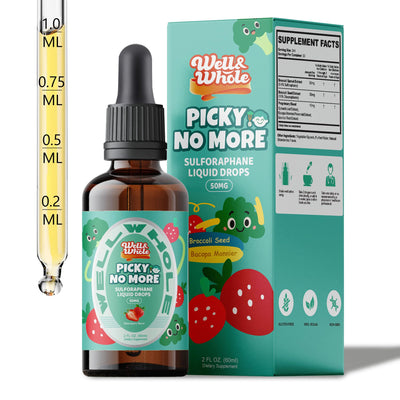
If you'd like to try it, Kids’ Black Walnut Digestive Support Drops, 14-in-1 Herbal Formula, Mixed Berry, Ages 1+, 2 fl oz and Sulforaphane Broccoli Supplement Liquid Drops for Kids with Sulforaphane, Glucoraphanin, Bacopa Monnieri are the closest match to what we've covered here. Browse Immune Support and Digestive Support to see how the alternatives compare.
These statements have not been evaluated by the Food and Drug Administration. This product is not intended to diagnose, treat, cure, or prevent any disease.