Kids Hydration: How Much Water Do Children Really Need

Daily water needs for children range from roughly four cups a day for a toddler to seven to eight cups for an active teenager, with additional fluid on hot days, during sports, and when sick with a fever. A simple rule of thumb is one liter of total fluid per twenty kilograms of body weight, with extra for sweat losses. The signs of mild dehydration in children are easy to spot once you know what to look for.
How much is enough by age
Practical daily targets, including water from food and other drinks, are about four cups (around 900 ml) for one to three year olds, five cups (around 1.2 L) for four to eight year olds, seven to eight cups (around 1.6 to 1.8 L) for nine to thirteen year old boys, six to seven cups (around 1.4 to 1.6 L) for nine to thirteen year old girls, and eight to ten cups (around 1.9 to 2.3 L) for teens fourteen and up. Girls and women generally need slightly less than boys and men of the same age because of lower average body mass.
What counts as water, and what does not
Plain water is the best source. Milk counts, as does diluted fruit juice. Whole fruit and vegetables contribute meaningfully because of their water content. Drinks that do not help are sugary sodas, energy drinks, sweetened iced tea, and very concentrated fruit juice, all of which can actually increase fluid loss through osmotic diarrhea or pull water into the gut.
Caffeinated drinks in small amounts are fine for older children. The old worry that caffeine dehydrates children has been largely overstated; the diuretic effect is small, and the fluid in the drink still counts toward intake. That said, caffeine is not a great choice for kids because of its effects on sleep and anxiety, so water and milk remain the everyday defaults.
Signs a child is mildly dehydrated
Urine color is the single most useful signal. Aim for pale straw. Dark yellow, strong-smelling urine, or a child who has not urinated in more than six waking hours is likely under-hydrated. Other early signs include dry or cracked lips, a child who complains of a headache in the afternoon, fatigue during sports, and constipation that is hard to explain by fiber intake alone.
On hot days, sports days, and when sick
Children do not regulate body temperature as well as adults, so dehydration risk climbs fast in heat. Pre-hydrate with a glass of water about an hour before activity, give four to six ounces (120 to 180 ml) every twenty minutes during play, and offer more after. A pinch of salt in a snack or a diluted sports drink helps replace electrolytes on very sweaty days, but for most activities plain water is enough.
When a child has a fever, vomiting, or diarrhea, fluid needs can easily double. Small sips every five to ten minutes are more useful than asking a sick child to chug a full cup. Oral rehydration solutions, available over the counter, are designed to replace both water and electrolytes in the right balance for children.
Practical tips that actually work
Send a labeled reusable water bottle to school every day and refill it on return. Offer a glass of water with every meal and snack rather than asking if the child is thirsty, because the thirst drive in children is weaker than in adults. Keep a pitcher of cold water in the fridge, and let kids pick a cup they like, since ownership increases the chance they will use it.
Key takeaways
- Target about four cups for a toddler, five cups for early school age, and seven to ten cups for teens.
- Urine color is the most reliable daily signal; aim for pale straw.
- Water, milk, and diluted juice count; sugary drinks and energy drinks do not help.
- Active days, hot days, and illness can easily double fluid needs.
- Small frequent sips work better than a single large drink for a child who is sick or reluctant.
Bedtime drinks and nighttime sleep
A small glass of water an hour before bed is helpful, but a large drink right before lights-out often backfires. Children who drink heavily in the last thirty minutes before sleep are more likely to wake at night needing the bathroom, which fragments sleep and leaves the next day harder. The pattern works best when most of the day's fluid happens in the morning and afternoon, with a lighter pour in the early evening and a small sip-only option at the bedside for genuine thirst rather than routine.
Frequently asked questions
Is flavored water OK for kids?
Plain sparkling water or water with a few slices of fruit or a small splash of juice is fine. Commercially flavored waters that contain added sugar, artificial sweeteners, or citric acid at high levels are not a great everyday choice because they train the palate toward sweeter drinks and can erode tooth enamel.
My child hardly drinks anything. Should I worry?
It depends on what they eat. If the child eats plenty of water-rich foods like fruit, yogurt, soup, and vegetables, low fluid intake from drinks can still be enough. Look at urine color and overall energy level rather than counting glasses.
Do kids need sports drinks?
Only for sustained, intense activity lasting more than an hour in heat, or for rapid rehydration after illness. For everyday play and school sports, water is the better default because sports drinks contain added sugar most kids do not need.
Can a child drink too much water?
Yes, though it is rare. Overhydration, or hyponatremia, happens when a child drinks large amounts of plain water without sodium during prolonged activity, which dilutes blood sodium. The fix is to include salty snacks or a sports drink during long events rather than restricting fluids.
Related supplements
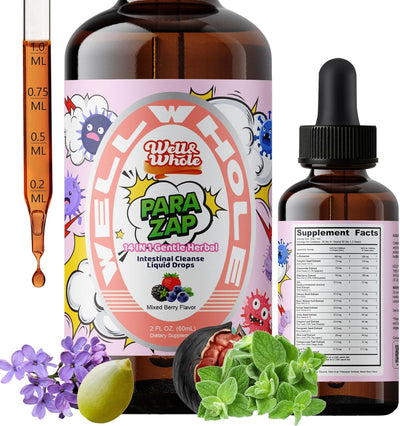
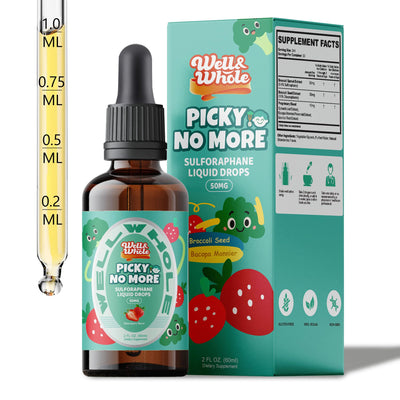
Where to begin? Our Kids’ Black Walnut Digestive Support Drops, 14-in-1 Herbal Formula, Mixed Berry, Ages 1+, 2 fl oz and Sulforaphane Broccoli Supplement Liquid Drops for Kids with Sulforaphane, Glucoraphanin, Bacopa Monnieri are a sensible place to start, and the Immune Support collection lays out the other formats side by side with Digestive Support.
These statements have not been evaluated by the Food and Drug Administration. This product is not intended to diagnose, treat, cure, or prevent any disease. Talk to a healthcare professional before starting any new supplement, especially if you are pregnant, nursing, taking medication, or managing a health condition.