Kids and Added Sugar: What Parents Should Know

Most children in the United States eat roughly two to three times the amount of added sugar experts recommend, and the largest single source is not dessert; it is drinks. The American Heart Association suggests children aged 2 to 18 stay under about 25 grams of added sugar per day, roughly six teaspoons, and advises none at all for toddlers under 2.
Key takeaways
- The practical ceiling for children aged 2 to 18 is about 25 grams of added sugar per day.
- Sweetened drinks are the biggest source for kids, followed by sweet snacks and flavored dairy.
- Added sugar is different from the natural sugar in whole fruit and plain milk, which come packaged with fiber, protein, and nutrients.
- Swapping beverages alone removes a large share of the daily excess for most children.
How much added sugar is too much
The 25-gram guideline is not a target to hit; it is a ceiling to stay under. A single can of regular soda clears it completely, and a sweetened yogurt plus a juice drink pushes most children past it before dinner. Pediatric guidance is even firmer for the youngest age group: toddlers under 2 have no place for added sugar at all, partly because early years shape taste preferences that follow kids for decades.
Where the sugar hides
Beverages lead the list: soda, fruit-flavored drinks that contain little fruit, sports drinks, sweet teas, and the flavored coffees adopted by teenagers. After drinks come the familiar hidden contributors: flavored yogurt, breakfast cereal, granola bars, pasta sauce, barbecue sauce, and bakery items. A few examples are sobering. One small flavored yogurt can carry 10 to 15 grams; a tablespoon of ketchup adds about 4; a bottle of sports drink can hold more than an entire day's limit for a child.
Why drinks are the first target
Beverages deserve their own strategy because liquid sugar behaves differently from sugar in food. A sweet drink delivers its load quickly, contributes little fullness, and displaces milk or water that children actually need. Families who change nothing except beverages often see the biggest single improvement in their children's daily numbers, which makes this the highest-leverage swap available. Treat juice drinks, sports drinks, and soda as occasion items rather than default groceries, and the rest of the diet has room to breathe.
Reading the package without a chemistry degree
The added-sugars line on the package is the number that matters; natural sugar from milk or fruit is listed separately. Ingredients are ordered by weight, and sugar hides under names like dextrose, rice syrup, fruit juice concentrate, and cane crystals. Products marketed for children are not automatically low in sugar either; several popular kids' cereals and snack bars carry more per portion than a cookie.
Swaps that actually work
Restriction tends to backfire, so families have better luck changing defaults than negotiating bans. Serve water or plain milk as the house drink and keep sparkling water with a splash of 100 percent juice for occasions. Buy plain yogurt and add fruit at the table, where sweetness stays visible and modest. Offer whole fruit first; its fiber slows the rise in blood sugar and it comes without the marketing of packaged snacks. Keep easy options ready to grab, because the sweet choice wins whenever the better choice requires work. Involving children in the choices, such as picking which fruit goes in the cart or which vegetable lands on the plate, raises the odds the new defaults actually get eaten.
The bigger picture for parents
Progress beats perfection. If a child currently drinks two sodas a day, replacing one is a real win that compounds for years. Anxiety around every gram creates the food stress pediatricians warn against; the goal is a home where the everyday default is unsweetened and sweets are ordinary but occasional, not forbidden treasure.
A realistic month of change
Week one, change the drinks and nothing else, so the family adjusts to one visible shift. Week two, move flavored yogurt to plain with fruit added at the table. Week three, rebuild the snack shelf around fruit, cheese, nuts, and plain popcorn, keeping a couple of familiar treats in plain sight so nothing becomes contraband. Week four, review the breakfast cereals and sauces, where another quiet layer of sugar lives. A pace like this works because each step becomes the new normal before the next one starts, and children keep their sense of say in what they eat.
Frequently asked questions
Is fruit juice as bad as soda for kids?
One hundred percent juice is more nutritious but still concentrated sugar without the fiber of whole fruit. Pediatric guidance suggests small portions, roughly half a cup a day for younger children, with whole fruit as the default.
Are artificial sweeteners a good substitute for children?
Most pediatric experts advise against routine use in children. Long-term data are limited, and the practical goal is recalibrating a child's taste toward less sweetness overall, not relocating it.
Does added sugar cause hyperactivity?
Controlled studies have not found a causal link, though the belief persists. The well-documented harms run toward dental cavities, excess weight gain, and displaced nutrients in the daily diet.
What about sugar in school lunches?
Chocolate milk, desserts, and sauces add up during the school day. Asking the school for the weekly menu and setting simple rules, such as plain milk on most days, keeps each decision made once instead of daily.
Related supplements
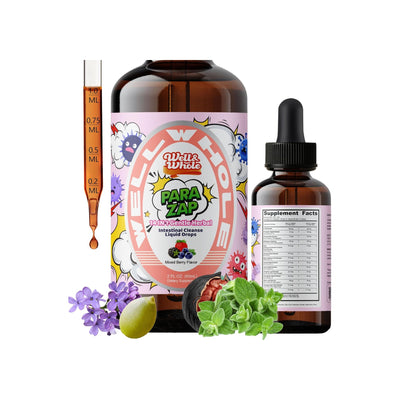
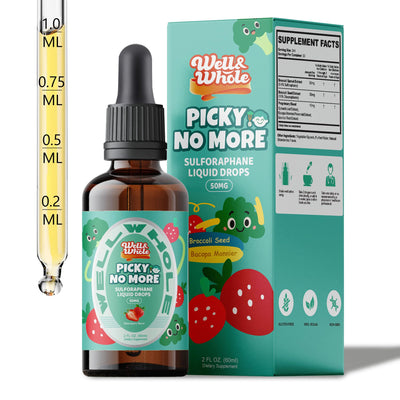
Where to begin? Our Kids’ Black Walnut Digestive Support Drops, 14-in-1 Herbal Formula, Mixed Berry, Ages 1+, 2 fl oz and Sulforaphane Broccoli Supplement Liquid Drops for Kids with Sulforaphane, Glucoraphanin, Bacopa Monnieri are a sensible place to start, and the Immune Support collection lays out the other formats side by side with Digestive Support.
These statements have not been evaluated by the Food and Drug Administration. This product is not intended to diagnose, treat, cure, or prevent any disease. Talk to a healthcare professional before starting any new supplement, especially if you are pregnant, nursing, taking medication, or managing a health condition.
These statements have not been evaluated by the Food and Drug Administration. This product is not intended to diagnose, treat, cure, or prevent any disease.