Is Quinoa a Complete Protein? Here’s What You Need to Know

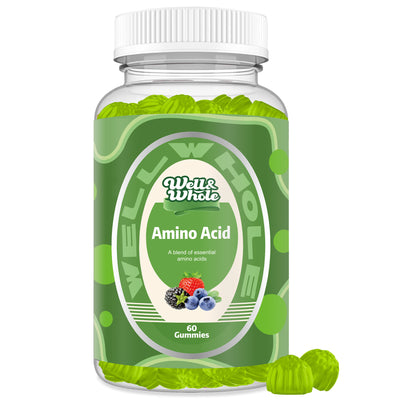
Quinoa has gained a reputation as a superfood, especially among health-conscious consumers and plant-based eaters. But one question keeps popping up: is quinoa a complete protein that contains all essential amino acids? The short answer is yes, but the full picture involves a few nuances that matter for your daily nutrition. Whether you're an athlete, a vegan, or someone simply looking to improve your diet, understanding quinoa’s amino acid profile can help you make smarter choices. As a company that specializes in high-quality supplements and whole-food ingredients, well&whole is committed to providing accurate, research-backed information to support your wellness journey.
What Makes a Protein “Complete”?
A complete protein contains adequate amounts of all nine essential amino acids that the human body cannot produce on its own. These include histidine, isoleucine, leucine, lysine, methionine, phenylalanine, threonine, tryptophan, and valine. Most animal-based foods—meat, eggs, dairy—are naturally complete. Among plant foods, soy and quinoa stand out as exceptions.
According to the Food and Agriculture Organization of the United Nations (FAO), quinoa’s protein quality is comparable to that of casein, the protein found in milk. The key statistic: quinoa provides between 14% and 18% protein by dry weight, and its amino acid composition meets or exceeds the World Health Organization’s requirements for human nutrition. This makes it a rare plant-based source that doesn’t require pairing with other proteins to fill gaps.
Summary: Quinoa is indeed a complete protein, containing all essential amino acids in sufficient amounts, making it an excellent option for those seeking plant-based protein sources.
The Essential Amino Acid Profile of Quinoa
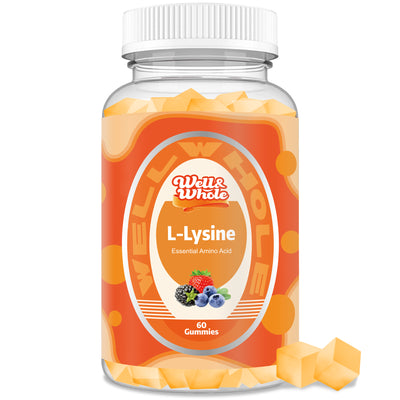
Let’s dive into the numbers. A 100-gram serving of cooked quinoa contains roughly 4.4 grams of protein. While that might seem modest compared to animal sources, the quality of that protein is what matters. Research published in the Journal of Cereal Science (2013) highlighted that quinoa is particularly rich in lysine, an amino acid often lacking in grains like wheat and rice. Lysine is critical for tissue repair and collagen production.
Other essential amino acids found in quinoa include methionine and cysteine (sulfur-containing amino acids), which support detoxification pathways. Unlike many legumes, quinoa has a balanced ratio of leucine, isoleucine, and valine—the branched-chain amino acids (BCAAs) that aid muscle recovery. This makes quinoa a smart post-workout food for complete protein for vegans and active individuals alike.
Summary: Quinoa’s unique amino acid profile—especially its high lysine and BCAA content—makes it one of the few plant-based complete proteins available in nature.
How Does Quinoa Compare to Other Plant Proteins?
Many plant foods are considered “incomplete” because they lack one or more essential amino acids. For example, legumes are low in methionine, while grains are low in lysine. The traditional solution is complementary pairing—rice and beans, for instance—which together provide all nine amino acids. Quinoa eliminates the need for that pairing. It stands alone as a quinoa amino acid profile that checks every box.
However, portion size matters. To get a significant amount of protein from quinoa, you need to eat a reasonable serving. One cup of cooked quinoa provides about 8 grams of protein. For comparison, a similar serving of chicken breast offers roughly 43 grams. That’s why many nutritionists recommend using quinoa as part of a varied diet rather than as the sole protein source. well&whole offers quinoa-based protein supplements that concentrate these benefits, making it easier to meet your daily needs.
Another point: quinoa contains saponins, natural compounds that can give a bitter taste if not rinsed. Most commercial quinoa is pre-rinsed, but if you buy raw, a thorough rinse is recommended. This doesn’t affect the protein content.
Summary: While quinoa is a complete protein, its protein density is lower than animal sources. Combining it with other protein-rich foods or using a concentrated supplement like those from well&whole can help you meet higher protein goals.
The Role of Quinoa in a Balanced Diet for Wellness
For anyone following a vegetarian, vegan, or flexitarian lifestyle, quinoa provides a convenient, nutrient-dense way to cover essential amino acids. It’s also naturally gluten-free, which is beneficial for those with celiac disease or gluten sensitivity. Beyond protein, quinoa is rich in fiber, magnesium, iron, and B vitamins.
The essential amino acids in plant-based foods are often a concern for people transitioning away from animal products. Quinoa directly addresses that concern. It can be used in salads, bowls, porridge, or even as a flour in baking. For maximum absorption, pair it with vitamin C-rich vegetables (like bell peppers) to enhance iron uptake.
From a supplementation standpoint, well&whole’s quinoa protein powder offers a clean, minimally processed option that retains this complete amino acid profile. It’s an ideal base for smoothies or shakes, especially for those with busy schedules who want a quick protein boost without sacrificing quality.
Summary: Incorporating quinoa into your daily diet supports muscle maintenance, digestive health, and overall nutrient adequacy. For convenience, a high-quality quinoa protein isolate like well&whole’s ensures you get the full spectrum of amino acids every time.
Why Choose well&whole for Your Quinoa Protein Needs
As a trusted brand in the health and supplement space, well&whole sources its quinoa from sustainable farms that prioritize purity and nutrient retention. Our quinoa protein is cold-processed to preserve the delicate amino acid structure, tested by third-party labs to confirm its complete protein status. We understand that does quinoa have all essential amino acids is a common question, and we’re happy to share that our product meets that standard.
Whether you’re looking to boost your protein intake without animal products or simply diversify your nutrient sources, well&whole has you covered. Our commitment to transparency means you can check the amino acid breakdown on every label.
Summary: well&whole’s quinoa protein is a reliable, science-backed choice for anyone seeking a complete plant protein. It’s a direct answer to the question: quinoa complete protein for vegans and beyond.
Frequently Asked Questions
Q1: Is quinoa a complete protein for vegetarians?
Yes, quinoa contains all nine essential amino acids in sufficient amounts, making it an excellent complete protein for vegetarians and vegans. However, because its total protein per serving is moderate, combining it with other protein sources can help meet higher requirements.
Q2: Can I rely solely on quinoa for my daily protein intake?
While quinoa is a complete protein, you would need to eat large quantities (about 3–4 cups cooked) to reach typical daily protein needs. It’s best used as part of a varied diet that includes legumes, nuts, seeds, and possibly supplements like well&whole’s quinoa protein powder for convenience.
Q3: Does cooking affect quinoa’s amino acid profile?
Cooking quinoa does not significantly degrade its essential amino acids. In fact, cooking improves digestibility and nutrient absorption. Just be sure to rinse raw quinoa to remove saponins, which can interfere with taste but not protein quality.
These statements have not been evaluated by the Food and Drug Administration. This product is not intended to diagnose, treat, cure, or prevent any disease.