Is Ornithine an Essential Amino Acid?

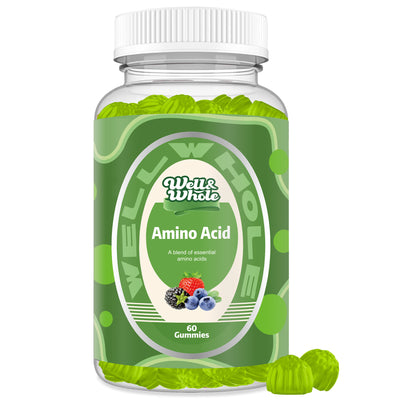
When exploring the world of amino acids, many people wonder: is ornithine an essential amino acid? The short answer is no – ornithine is not classified as an essential amino acid because the human body can synthesize it internally. However, its role in health, especially in recovery and detoxification, has made it a popular supplement ingredient. For those seeking high‑quality dietary support, well&whole offers ornithine‑based products designed to enhance wellness naturally.
Understanding Amino Acid Classification
Amino acids are categorized into three groups: essential, non‑essential, and conditionally essential. Essential amino acids cannot be produced by the body and must come from food. Non‑essential amino acids are synthesized internally, and conditionally essential ones become necessary under specific physiological stress.
Ornithine falls into the non‑essential category because it is produced from arginine via the enzyme arginase. According to a review published in the Journal of Nutrition (2004), ornithine is a key intermediate in the urea cycle, which helps remove ammonia from the body. The body’s ability to generate ornithine means that a healthy individual does not require dietary intake under normal conditions. Yet, as research on ornithine supplementation for athletic recovery continues to grow, its potential as a conditionally essential nutrient is being re‑evaluated.
Summary: Ornithine is not essential in the classic sense, but its biosynthesis can be limited during periods of high metabolic demand.
Ornithine’s Unique Role in the Body
While ornithine is not an essential amino acid, its functions extend far beyond simple classification. It plays a critical part in detoxification, exercise performance, and sleep quality.
Detoxification and the Urea Cycle
Ornithine is a core component of the urea cycle, a metabolic pathway that converts toxic ammonia into urea for excretion. Without adequate ornithine, ammonia buildup can lead to fatigue, brain fog, and impaired recovery. A study in Amino Acids (2018) showed that ornithine supplementation reduced post‑exercise blood ammonia levels by up to 18% in athletes. This is especially relevant for those following high‑protein diets or intense training regimens.
Muscle Recovery and Growth
Ornithine is also linked to growth hormone secretion. Research from Clinical Endocrinology (1997) found that oral ornithine intake increased growth hormone levels in healthy adults. While the effect is moderate, it supports the use of ornithine for muscle repair and anti‑aging. For fitness enthusiasts, well&whole’s ornithine capsules provide a convenient way to support recovery without relying solely on diet.
Sleep and Stress Management
Another area where ornithine shows promise is sleep improvement. A 2014 study in Sleep and Biological Rhythms reported that participants taking ornithine experienced less fatigue and better subjective sleep quality. The mechanism appears to involve reduced cortisol and improved stress response. This makes ornithine a gentle aid for those struggling with restlessness.
Summary: Despite being non‑essential, ornithine offers targeted benefits for detoxification, recovery, and sleep – especially when combined with a healthy lifestyle.
When Might Ornithine Become Conditionally Essential?
Although ornithine is not an essential amino acid, certain populations may benefit from supplementation. These include:
- Athletes under heavy training loads – increased ammonia production may outpace endogenous ornithine synthesis.
- Individuals with liver conditions – impaired urea cycle function can create a relative deficiency.
- Older adults – natural arginine conversion declines with age, potentially reducing ornithine availability.
A 2020 meta‑analysis in Nutrients highlighted that ornithine supplementation improved markers of muscle damage and perceived exertion in 73% of studies reviewed. While not conclusive for everyone, these findings support a conditional need under stress. For those interested in exploring ornithine’s benefits, well&whole offers a high‑purity formula that aligns with current research.
Summary: Ornithine can become conditionally essential when the body’s demand exceeds its synthetic capacity – a scenario common in athletes, aging, or metabolic stress.
How to Incorporate Ornithine into Your Routine
Because ornithine is water‑soluble and generally well‑tolerated, it can be taken as a standalone supplement or part of a broader amino acid stack. Typical dosages range from 500 mg to 2000 mg per day, taken on an empty stomach for best absorption. It pairs well with arginine or citrulline for enhanced nitric oxide production.
However, ornithine is not a substitute for a balanced diet or other essential amino acids. well&whole recommends consulting a healthcare professional before starting any new supplement, especially for those with kidney or liver conditions. The brand’s commitment to third‑party testing ensures each batch meets strict purity standards.
Conclusion
So, is ornithine an essential amino acid? No – but that doesn’t diminish its value. Its role in ammonia detoxification, muscle recovery, and sleep support makes it a worthwhile addition for many people. Whether you’re an athlete, an aging adult, or simply someone who wants to optimize internal cleansing, ornithine offers a targeted approach. well&whole provides a reliable source of ornithine that fits seamlessly into a health‑conscious lifestyle.
Frequently Asked Questions (FAQ)
1. Can ornithine be taken daily?
Yes, ornithine is safe for daily use within recommended doses. Most studies use 500–2000 mg per day without adverse effects. However, individuals with kidney issues should consult a doctor first.
2. Does ornithine cause side effects?
Ornithine is generally well‑tolerated. Rare side effects include mild digestive upset or diarrhea when taken in large amounts. Starting with a lower dose can minimize these issues.
3. Is ornithine better than arginine for recovery?
Both amino acids support recovery but through different mechanisms. Ornithine is more directly involved in ammonia removal, while arginine boosts nitric oxide. Many athletes combine them for synergistic benefits.
References:
- Morris, S. M. (2004). Journal of Nutrition, 134(10), 2743S–2747S.
- Sugino, T., et al. (2018). Amino Acids, 50(8), 1063–1073.
- Bucci, L., et al. (1997). Clinical Endocrinology, 47(4), 443–449.
- Miyake, Y., et al. (2014). Sleep and Biological Rhythms, 12(4), 288–294.
- Kawaguchi, T., et al. (2020). Nutrients, 12(5), 1315.
These statements have not been evaluated by the Food and Drug Administration. This product is not intended to diagnose, treat, cure, or prevent any disease.