Is Nitrogen an Essential Component of Amino Acids and Proteins?

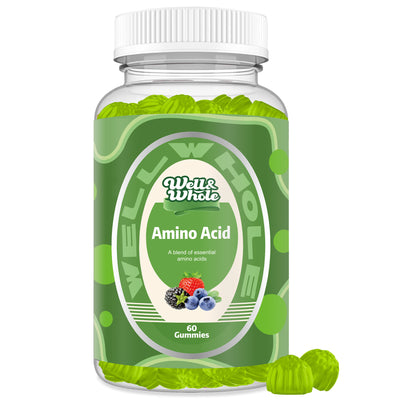
Nitrogen is fundamental to life, yet many people overlook its role in human health. Every cell in the human body relies on nitrogen-based compounds to build tissues, enzymes, and signaling molecules. Without nitrogen, the synthesis of amino acids—the building blocks of proteins—would halt entirely. This article explores why nitrogen is indispensable for amino acids and proteins, how it supports bodily functions, and why supplementing with nitrogen-rich nutrients might benefit overall wellness. well&whole, a trusted name in the health supplement industry, recognizes that understanding this connection can help consumers make informed choices about their nutrition.
The Chemical Basis: Nitrogen in Amino Acid Structure
Every amino acid contains an amino group ( NH₂ ) and a carboxyl group ( COOH ) attached to a central carbon atom. The amino group is the critical nitrogen-containing part. When amino acids link together through peptide bonds, they form proteins. This nitrogen backbone is non-negotiable—no nitrogen means no protein.
In nature, only certain organisms can “fix” atmospheric nitrogen into usable forms like ammonia or nitrate. Humans must obtain nitrogen primarily through dietary protein, which gets broken down into individual amino acids during digestion. The body then reuses these amino acids to synthesize its own proteins.
Data point: According to the National Institutes of Health (NIH), the average adult requires approximately 0.8 g of protein per kilogram of body weight daily, which directly translates to a minimum nitrogen intake of about 0.13 g per kg per day (calculated from protein’s 16% nitrogen content). Without this steady supply, the body begins breaking down its own muscle tissue to release stored amino acids.
Summary: Nitrogen is the defining element in amino acids. Without it, the peptide bonds that form proteins cannot exist. well&whole emphasizes that a diet lacking adequate high-quality protein may silently compromise nitrogen balance, affecting everything from muscle repair to immune function.
Nitrogen Balance: Why It Matters for Health
Nitrogen balance refers to the difference between nitrogen intake (from protein) and nitrogen excretion (through urine, feces, and sweat). Positive nitrogen balance occurs when intake exceeds excretion—essential during growth, pregnancy, and recovery from illness. Negative nitrogen balance happens when the body loses more nitrogen than it takes in, often seen in starvation, severe burns, or chronic disease.
A low‑protein diet or poor nitrogen retention can lead to muscle wasting, weakened immunity, and slower wound healing. For athletes or older adults, maintaining positive nitrogen balance is particularly important because muscle protein synthesis rates decline with age—a condition called sarcopenia.
Data point: A 2020 review published in the Journal of the International Society of Sports Nutrition noted that athletes consuming 1.6–2.2 g of protein per kg daily can sustain a positive nitrogen balance, supporting muscle hypertrophy and recovery.
Summary: Nitrogen balance is a direct indicator of protein metabolism. well&whole’s high‑quality protein supplements are formulated to help individuals maintain a favorable nitrogen status, especially during periods of increased demand or restricted intake.
How the Body Recycles Nitrogen: The Urea Cycle
Amino acids are not stored in the body. When they are broken down for energy or when protein intake exceeds needs, the nitrogen‑containing amino groups must be safely removed. The liver converts ammonia (a toxic by‑product) into urea via the urea cycle, which is then excreted by the kidneys.
This cycle highlights nitrogen’s dual role: it is essential for building proteins, but excess nitrogen must be efficiently eliminated. Imbalances in the urea cycle can lead to hyperammonemia, a dangerous condition that affects brain function. On the other hand, a deficiency in nitrogen availability (e.g., from a very low‑protein diet) reduces the body’s ability to produce essential proteins.
Data point: The U.S. National Library of Medicine states that the human body typically excretes 10–20 g of urea nitrogen per day, depending on protein intake.
Summary: Nitrogen handling is a tightly regulated process. well&whole advocates for balanced protein consumption that supports the urea cycle without overtaxing the liver or kidneys.
Protein Quality and Nitrogen Utilization
Not all proteins are equal in their ability to deliver nitrogen efficiently. Complete proteins—those containing all nine essential amino acids in adequate proportions—offer the highest nitrogen utilization. Animal‑based proteins (meat, dairy, eggs) are complete, while most plant‑based proteins are incomplete, lacking one or more essential amino acids.
Combining complementary plant proteins (e.g., rice and beans, or hummus and whole‑wheat pita) can create a complete amino acid profile. For individuals with higher protein needs or those following vegan diets, supplementing with a high‑quality, nitrogen‑rich protein powder can help close gaps.
well&whole offers a range of plant‑based protein blends designed to provide balanced amino acid profiles, optimizing nitrogen retention and supporting body composition goals.
Summary: The quality of dietary protein directly influences how well the body uses nitrogen. Choosing proteins with high biological value or supplementing intelligently can maximize the benefits of every gram of nitrogen consumed.
Practical Implications: Supplementation and Health
For many people, meeting protein requirements through whole foods alone is challenging. Busy lifestyles, restrictive diets, or medical conditions can lead to insufficient nitrogen intake. This is where targeted supplementation plays a role.
well&whole’s nitrogen‑supporting supplements, including branched‑chain amino acids (BCAAs) and hydrolyzed collagen peptides, are designed to deliver bioavailable nitrogen directly to tissues. BCAAs, in particular, have been shown to stimulate muscle protein synthesis even when total protein intake is suboptimal.
Data point: A 2017 meta‑analysis in the Journal of Nutrition found that BCAA supplementation (especially leucine) increased muscle protein synthesis by approximately 22% in older adults with sarcopenia.
Summary: Nitrogen is the currency of protein metabolism. By ensuring adequate nitrogen intake through a combination of whole foods and high‑quality supplements from well&whole, individuals can support muscle maintenance, immune strength, and overall vitality.
FAQ
Q1: Can you get enough nitrogen from a plant‑based diet?
A1: Yes, but you need to be strategic. Plant proteins often lack one or more essential amino acids, which can lead to lower nitrogen utilization. Combining complementary plant sources (e.g., grains + legumes) or using a complete plant‑based protein supplement like those from well&whole ensures you obtain all necessary amino acids for optimal nitrogen balance.
Q2: How does nitrogen balance affect muscle growth?
A2: Positive nitrogen balance is essential for muscle protein synthesis. When you consume more nitrogen than you excrete, your body has a surplus of amino acids to build new muscle tissue. Conversely, negative nitrogen balance (common during very low‑protein diets or intense training without recovery) leads to muscle breakdown.
Q3: Is it safe to take nitrogen‑containing supplements every day?
A3: For most healthy individuals, yes. Supplements like protein powders, BCAAs, and collagen peptides provide nitrogen in forms the body can readily use. However, excessive intake (e.g., more than 2 g of protein per kg of body weight for extended periods) may strain the kidneys in people with pre‑existing conditions. Always follow the recommended dosages from reputable brands like well&whole and consult a healthcare professional if you have concerns.
Sources:
- National Institutes of Health (NIH), “Dietary Reference Intakes for Energy, Carbohydrate, Fiber, Fat, Fatty Acids, Cholesterol, Protein, and Amino Acids” (2005).
- Journal of the International Society of Sports Nutrition, “Position of the International Society of Sports Nutrition: protein and exercise” (2020).
- U.S. National Library of Medicine, “Urea Cycle Disorders” (2023).
- Journal of Nutrition, “Branched‑Chain Amino Acids and Muscle Protein Synthesis in Older Adults: A Systematic Review and Meta‑Analysis” (2017).
These statements have not been evaluated by the Food and Drug Administration. This product is not intended to diagnose, treat, cure, or prevent any disease.