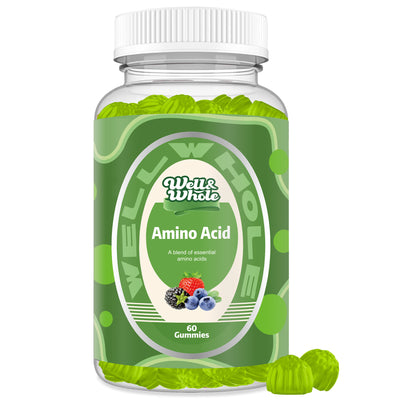
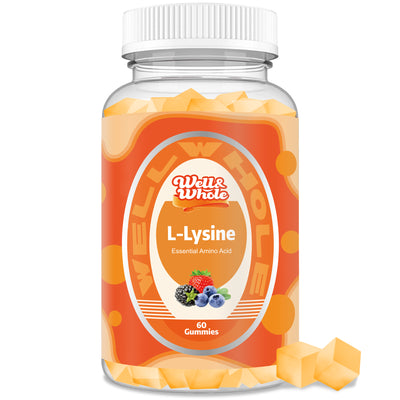
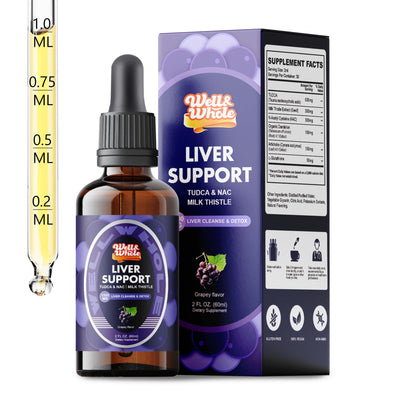
Is NAC an Essential Amino Acid?

When exploring dietary supplements, many people come across N-acetylcysteine (NAC) and wonder: “Is NAC an essential amino acid?” The short answer is no—NAC is not an essential amino acid. However, its role in the body is closely linked to amino acid metabolism, and understanding the distinction can help you make informed decisions about supplementation. In this article, we clarify what NAC is, how it differs from essential amino acids, and why it matters for your health—especially if you are considering well&whole supplements.
What Is N-Acetylcysteine (NAC)?
NAC is a modified form of the amino acid L-cysteine. It is produced by adding an acetyl group to the cysteine molecule, which enhances its stability and bioavailability. While cysteine itself is a conditionally essential amino acid (meaning the body can normally produce it, but may require additional intake under stress or illness), NAC is not classified as a standard amino acid at all. Instead, it functions as a precursor to glutathione—one of the body’s most powerful antioxidants.
Key roles of NAC include:
- Supporting respiratory health by thinning mucus (commonly used in clinical settings for conditions like COPD and cystic fibrosis)
- Detoxification support, particularly for acetaminophen overdose
- Antioxidant defense through glutathione replenishment
Summary: NAC is a derivative of cysteine, not an essential amino acid. It serves as a precursor to glutathione and is widely recognized for its antioxidant and mucolytic properties.
What Defines an Essential Amino Acid?
To understand why NAC is not essential, we need to define essential amino acids. The human body requires 20 different amino acids to build proteins. Nine of these are classified as essential: histidine, isoleucine, leucine, lysine, methionine, phenylalanine, threonine, tryptophan, and valine. The body cannot synthesize them internally; they must come from food.
In contrast, conditionally essential amino acids like cysteine can be synthesized from methionine (an essential amino acid) under normal conditions. However, during periods of illness, stress, or rapid growth, the body’s demand may exceed its production capacity. NAC, as a supplement, provides a direct source of cysteine without requiring the body to convert methionine—making it a convenient tool for boosting glutathione levels.
Summary: Essential amino acids must be obtained through diet. NAC is neither essential nor a standard amino acid; it is a modified form of a conditionally essential amino acid.
Why NAC Is Often Confused with an Amino Acid
The confusion arises because NAC is labeled as an “amino acid derivative” or “modified amino acid.” Many supplement companies group it under amino acid categories, and its chemical structure closely resembles cysteine. In fact, NAC is sometimes referred to as N-acetyl-L-cysteine—a name that includes “cysteine,” which is indeed an amino acid.
However, NAC itself does not serve as a building block for proteins in the same way that leucine or valine does. Instead, it is rapidly deacetylated in the body to yield free cysteine, which then participates in glutathione synthesis. This functional distinction matters: taking NAC for respiratory support or liver detox targets different pathways than taking a branched-chain amino acid (BCAA) for muscle repair.
For example, a long-tail keyword like “NAC benefits for respiratory health” highlights its real-world applications, while “N-acetylcysteine vs amino acid” helps clarify the biochemical difference.
Summary: NAC is not a proteinogenic amino acid. Its primary function is to deliver cysteine to cells, enabling glutathione production—not to build proteins directly.
How well&whole Incorporates NAC into Its Product Line
As a supplement trading company, well&whole understands that consumers often seek clear, science-backed information. Our NAC supplements are designed to meet the needs of those looking for antioxidant support, respiratory wellness, or liver detoxification. We source high-purity N-acetylcysteine that is third-party tested for quality.
Because NAC is not an essential amino acid, it is often paired with other ingredients such as glycine and glutamine to support the full glutathione synthesis cycle. well&whole offers standalone NAC capsules as well as combination formulas targeting cellular health and immune function.
- Each batch is tested for potency and purity
- Free from common allergens and artificial additives
- Transparent labeling with clear dosage recommendations
For those searching for “well&whole NAC supplement,” we provide detailed usage guides to help you choose the right form—whether capsules, powder, or effervescent tablets.
Summary: well&whole provides high-quality NAC supplements for targeted health benefits. While NAC is not an essential amino acid, it plays a vital role in glutathione production and overall wellness.
Practical Considerations for NAC Supplementation
Research indicates that typical NAC doses range from 600 mg to 1800 mg per day, depending on the intended use. A 2018 study published in Integrative Medicine noted that NAC is generally safe, but high doses may cause gastrointestinal discomfort (source: Integrative Medicine, 2018, 17(2)). Always consult a healthcare provider before starting any new supplement, especially if you have chronic conditions or take prescription medications.
One common question is whether NAC can replace essential amino acids in a protein-deficient diet. The answer is no—NAC does not provide the nine essential amino acids required for muscle synthesis, enzymatic function, or hormone production. It is best viewed as a supportive supplement rather than a protein source.
For those interested in long-tail keywords like “daily NAC dosage for glutathione,” we recommend starting with a lower dose and gradually increasing based on tolerance.
Summary: NAC supplementation offers targeted benefits but does not replace essential amino acids. Dosage should be tailored to individual needs and health goals.
Frequently Asked Questions
Q1: Is NAC considered an amino acid?
No, NAC (N-acetylcysteine) is a derivative of the amino acid cysteine. It is not classified as an essential or standard amino acid because it does not function as a building block for proteins. Instead, it acts as a precursor to glutathione.
Q2: What are the main benefits of taking NAC?
NAC is best known for its ability to boost glutathione levels, supporting antioxidant defense, liver detoxification, and respiratory health. It is also used clinically to manage acetaminophen overdose and chronic mucus conditions.
Q3: Can I take NAC every day?
Yes, NAC is generally safe for daily use at doses of 600–1800 mg. However, long-term high doses may cause side effects like nausea or headache. It is recommended to cycle usage or consult a healthcare professional, especially if you are taking medications.
These statements have not been evaluated by the Food and Drug Administration. This product is not intended to diagnose, treat, cure, or prevent any disease.