is lysine essential amino acid

When it comes to understanding the building blocks of human health, amino acids sit at the very foundation. Among the twenty standard amino acids, nine are classified as essential, meaning the body cannot produce them on its own and must obtain them through diet. Lysine is one of those nine, and its role in everything from protein synthesis to immune function makes it a non‑negotiable nutrient. But what exactly makes lysine an essential amino acid, and why should you care? Let’s break it down.
What Makes Lysine an Essential Amino Acid
The human body can synthesize certain amino acids internally, but essential amino acids like lysine lack the necessary enzymatic pathways for de novo production. According to the World Health Organization (WHO) , dietary intake of lysine is required for normal growth and tissue repair. Without enough lysine, the body cannot produce key proteins like collagen, enzymes, and antibodies.
Lysine is particularly vital for calcium absorption and the formation of elastin and collagen – two proteins that keep skin, bones, tendons, and blood vessels strong. It also plays a role in carnitine production, which helps convert fatty acids into energy. The standard daily requirement for lysine in adults is roughly 30 mg per kilogram of body weight, as recommended by the Institute of Medicine.
总结: Lysine is classified as essential because the human body cannot synthesize it. It must be supplied through food or supplementation, and its deficiency can impair growth, immune function, and connective tissue health.
Why Lysine Deficiency Matters – Especially for Plant‑Based Diets
Many common dietary staples – particularly grains like wheat, rice, and corn – are low in lysine. This makes deficiency a real concern for populations that rely heavily on plant‑based diets. A 2021 study published in Nutrients (DOI: 10.3390/nu13041176) found that lysine intake in vegetarian and vegan groups often falls below recommended levels, potentially compromising protein synthesis and immune response.
The consequences of lysine deficiency can include:
- Fatigue and poor concentration
- Hair loss and skin issues
- Weak immune system
- Slower wound healing
- Mood disturbances such as anxiety
For people following a vegetarian or vegan lifestyle, paying attention to lysine‑rich foods becomes essential. Legumes like lentils, chickpeas, and black beans are excellent sources. So are quinoa, pumpkin seeds, and dairy products. But for those who struggle to meet daily needs through diet alone, a high‑quality supplement can bridge the gap.
总结: Lysine deficiency is more common among individuals on plant‑based diets. Recognizing early signs and incorporating lysine‑dense foods or supplements helps maintain optimal health.
Dietary Sources and How to Boost Your Lysine Intake
The most concentrated natural sources of lysine include:
- Animal products: red meat, poultry, fish, eggs, and dairy
- Legumes: soybeans, lentils, kidney beans, and peas
- Seeds and nuts: pumpkin seeds, hemp seeds, almonds
- Quinoa and amaranth (pseudocereals)
For a quick reference, 100 grams of cooked chicken breast provides about 1.5 g of lysine, while the same amount of cooked lentils gives around 0.6 g. The recommended daily intake for an adult weighing 70 kg is approximately 2.1 g, so combining different sources throughout the day is a smart strategy.
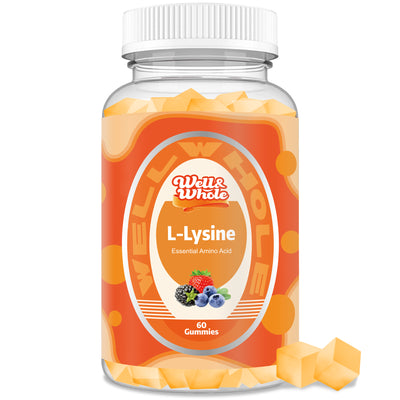
If dietary gaps exist, supplementation becomes a practical solution. That’s where well&whole comes in. Our lysine supplements are formulated to support muscle recovery, collagen production, and overall vitality. Whether you’re an athlete, a busy professional, or someone managing a plant‑based diet, adding lysine can make a noticeable difference.
总结: A balanced diet rich in animal proteins or legumes usually provides enough lysine. For those who need extra support, quality supplements like those offered by well&whole can safely fill the gap.
The Role of Lysine in Immune Health and Cold Sore Management
Beyond its structural functions, lysine has gained attention for its potential to suppress herpes simplex virus (HSV) replication. Several clinical studies, including a double‑blind trial published in Dermatologica (1981), found that daily lysine supplementation reduced the frequency and severity of cold sore outbreaks. The mechanism involves lysine competing with arginine – an amino acid that the virus needs to replicate – thus slowing viral growth.
This doesn’t mean lysine is a cure, but for people prone to herpes labialis, maintaining adequate lysine levels can be a useful preventive tool. The typical therapeutic dose for this purpose ranges from 1,000 mg to 3,000 mg per day, taken on an empty stomach for best absorption. Always consult a healthcare provider before starting high‑dose supplementation.
总结: Lysine’s antiviral properties, especially against HSV, add another layer to its importance. Consistent intake may help manage cold sore outbreaks.
Frequently Asked Questions (FAQ)
1. Is lysine the same as L‑lysine?
Yes, L‑lysine is the biologically active form of lysine. When you see “lysine” on a supplement label, it almost always refers to L‑lysine. The body absorbs and utilizes this form directly.
2. Can taking too much lysine be harmful?
Lysine is generally safe within recommended doses (up to 3,000 mg per day for most adults). However, extremely high doses may lead to stomach discomfort or diarrhea. People with kidney or liver conditions should consult a doctor before supplementing.
3. How long does it take to see benefits from lysine supplementation?
For general health and muscle recovery, improvements may be felt within a few weeks. For cold sore prevention, some users notice fewer outbreaks after 1–2 months of consistent daily use. Individual results vary based on diet, lifestyle, and baseline lysine levels.
At well&whole, we believe in empowering your health with science‑backed nutrition. Our lysine products are crafted to support your body’s natural needs – because every essential amino acid matters.
These statements have not been evaluated by the Food and Drug Administration. This product is not intended to diagnose, treat, cure, or prevent any disease.