Is It Safe to Take 100mg of Niacin a Day Guide
Learn if it is safe to take 100mg of niacin a day benefits side effects forms and who should avoid it

What Is Niacin and Why 100mg Is a Popular Choice
Let’s start with the big question: is it safe to take 100mg of niacin a day, and what exactly are you swallowing when you pop that capsule?
Niacin (also called vitamin B3) comes in two main forms you’ll see on labels:
-
Nicotinic acid
- This is the classic “niacin flush” version.
- It can cause that warm, red, tingly skin feeling—usually on the face, neck, and chest.
- It’s the form historically used in high doses for cholesterol support and heart health (often 500–2000mg under medical supervision).
-
Nicotinamide (niacinamide)
- This is the non-flushing form.
- It won’t cause a niacin flush, even at higher doses.
- It’s often used for skin health, everyday wellness, and gentle energy metabolism support.
From a safety and comfort angle, nicotinamide vs nicotinic acid is usually the first decision most people make.
Why 100mg is a “low-dose” sweet spot
When we’re talking about 100mg of niacin a day, we’re still in what most experts consider a low supplemental dose, especially compared with the high therapeutic doses used for cholesterol.
To put it in context:
- Cholesterol/heart protocols: often 500–2000mg/day of nicotinic acid, prescription-level, with doctor monitoring.
- Everyday wellness: 100mg niacin sits way below those therapeutic levels, which is one reason it’s such a popular, “comfort-zone” choice.
People in the US typically look at 100mg niacin for:
-
Mild energy support
- Niacin helps your body turn food into energy as part of normal metabolism.
-
Everyday wellness and resilience
- Think of it as a small boost for general metabolic health, not a magic bullet.
-
Avoiding high-dose risks
- They want some niacin benefits without stepping into the high-dose territory that can raise concerns about liver stress or intense flushing.
If you’re wondering, “Is 100mg niacin safe daily?”, this dose is commonly chosen because it tries to balance noticeable support with low-risk, low-drama use—especially when you choose the right form (often nicotinamide if you’d rather skip the flush entirely).
The bottom line: 100mg niacin is a modest, low-dose vitamin B3 level designed for gentle support, not heavy-duty therapeutic treatment.
The Recommended Daily Intake: Context for 100mg of Niacin
When people ask, “Is it safe to take 100mg of niacin a day?” I always start with the official numbers so we’re not guessing.
Niacin daily recommendations (NIH, Mayo Clinic, WebMD)
Most major U.S. health sources line up pretty closely:
-
RDA (recommended daily allowance) for adults:
- Men: 16 mg/day
- Women: 14 mg/day
-
Tolerable Upper Intake Level (UL) from supplements (NIH ODS):
- 35 mg/day of nicotinic acid (mainly to avoid strong flushing)
That 14–16 mg target is what covers basic daily needs for vitamin B3 (niacin). The 35 mg UL is a safety cap for typical supplement use, not a hard “over this and you’re in danger” line—but it’s still important.
So where does a 100mg niacin dosage fit?
A 100mg niacin supplement is higher than the RDA and above the 35 mg “no-flush” upper limit, but in real-world use it’s still considered a low-dose vitamin B3 compared with the big prescription doses used for cholesterol (often 500–2000mg/day).
Here’s how I look at it:
- For most healthy adults, 100mg/day of niacin (especially as nicotinamide, the non-flush form) usually sits in a “low-dose supplemental” zone.
- It’s above basic needs but far below levels linked with serious niacin side effects in medical settings.
- Many “B-complex” or “energy support” formulas in the U.S. land in this same range, which is why 100mg niacin is such a common dose.
Food vs supplement: you already get a lot of niacin
Most people in the U.S. are already getting solid niacin from food. Common sources:
- Meat & poultry (chicken, turkey, beef)
- Fish (tuna, salmon)
- Fortified grains & cereals
- Nuts and legumes
When you add up a typical American day of eating, it’s easy to hit or exceed 20–30 mg of niacin just from food. Some people can get well over 50–100 mg/day naturally across all meals and snacks, especially with fortified products.
That’s why:
- A 100mg niacin supplement usually adds to an already solid baseline, not replaces it.
- This is a big reason health authorities say “typical intakes” of niacin are safe for most adults—our bodies are used to handling higher ranges from food without issues.
Why typical amounts are considered safe
In practical terms:
- The body is built to handle normal-to-moderately-high niacin intakes, especially when they come from diet plus reasonable supplements.
- At 100mg/day, you’re above RDA but still in the range that’s commonly used in over-the-counter niacin dosage guides for low-dose vitamin B3 support.
- The main thing to watch at this level is niacin flush with nicotinic acid, not serious toxicity.
So in context: 100mg of niacin a day is above basic recommendations but still sits in typical, commonly used supplemental territory for U.S. adults, especially when diet is taken into account and health conditions/medications are considered.
Potential Health Benefits of Low‑Dose Niacin (100mg)
At 100mg a day, niacin (vitamin B3) sits in a “supportive, not extreme” range. I look at this dose as a gentle nudge for overall wellness, not a heavy-duty treatment.
Niacin Benefits: Energy, Metabolism, and More
Niacin is tied into how your body turns food into energy. At 100mg, you may notice:
-
Mild energy support
- Helps your cells make ATP (your body’s “energy currency”).
- May reduce that “afternoon slump” for some people, especially if diet is low in B vitamins.
-
Metabolism support
- Involved in breaking down carbs, fats, and protein.
- Works alongside other B vitamins in many daily multivitamin stacks.
-
Gentle cholesterol/triglyceride support
- High-dose nicotinic acid (500–2000mg) is what moves cholesterol numbers aggressively.
- At 100mg niacin, any effect on cholesterol or triglycerides is likely mild, more “supportive” than “corrective.”
-
Mood and brain support
- Niacin plays a role in brain function and nervous system health.
- Some people report slightly better mood and mental clarity, but evidence at 100mg is modest.
-
Skin health
- Supports healthy skin barrier and repair.
- You might see subtle improvements in overall skin look and feel, especially if you were low on B3.
Niacin, NAD, and Wellness Trends
A big reason niacin is trending right now is NAD support:
- Niacin helps your body make NAD+, a molecule involved in:
- Energy production
- Cellular repair
- Healthy aging pathways
- Most of the buzz comes from higher-dose niacin or specialized NAD precursors, but:
- 100mg niacin daily can still be a reasonable entry-level way to support NAD without going into aggressive dosing.
What to Realistically Expect From 100mg Niacin
I’m very clear about this with customers:
| Area | What 100mg Niacin Might Do | What It Probably Won’t Do |
|---|---|---|
| Energy & focus | Mild boost, better “steadiness” | Dramatic stimulant-like energy |
| Cholesterol support | Small, gradual nudge | Replace prescription statins or high-dose niacin |
| Mood & stress | Subtle support if you were low | Treat depression or anxiety by itself |
| Skin health | Slight glow or resilience | Cure major skin conditions |
Bottom line:
If you’re asking, “Is it safe to take 100mg of niacin a day for some extra support?”—for most healthy adults, this dose is aimed at light, everyday wellness: small wins for energy, metabolism, and skin, not big medical changes.
Is 100mg of Niacin Safe for Daily Use? The Evidence
From everything I’ve seen in the research and used in my own niacin dosage guide, 100mg of niacin a day is generally safe for most healthy adults in the short to medium term—especially when you pick the right form and take it with food.
Here’s how the evidence shakes out:
-
NIH niacin daily recommendations:
- RDA: about 14–16mg/day for most adults
- Tolerable Upper Intake Level (UL) from supplements: 35mg/day (set mainly to prevent strong niacin flush, not because 36mg becomes toxic)
- In real life, a lot of adults in the U.S. get well over 30–40mg/day from a mix of food (meat, fish, enriched grains) plus low-dose supplements, with no clear sign of harm in large population data.
How 100mg Fits Into Niacin Safety
- 100mg of niacin daily sits in what I’d call low-dose supplemental territory—well below the 500–2000mg prescription ranges that are linked with liver problems, blood sugar changes, and stronger side effects.
- At 100mg nicotinic acid, you might notice a mild niacin flush, but serious reactions like liver damage are extremely rare at this level in otherwise healthy people.
-
100mg nicotinamide (niacinamide) is even more comfortable for most people:
- No flush
- Widely used in skin and wellness products
- Generally viewed as low risk at this dose in long-term studies
About the NHANES 2026 Study and Mortality Risk
There’s a lot of chatter about an analysis using NHANES data that found a higher mortality signal in people taking 100–1000mg/day of niacin supplements. Here’s the balanced view:
- It was an observational study—it can show links, not prove cause and effect.
- People taking higher niacin doses often also have heart disease, diabetes, or high cholesterol, which already raises their risk; that’s hard to separate out completely.
- The broad 100–1000mg range lumps a lot of different users together—casual wellness users and people on high-dose therapeutic niacin for cholesterol.
Based on the full body of data, including NIH reviews and other observational work, 100mg/day has not been clearly tied to liver damage, major blood sugar spikes, or other severe side effects in healthy adults.
Bottom Line: Is 100mg Niacin Safe Daily?
For most adults in the U.S. who are:
- Generally healthy
- Not pregnant or breastfeeding
- Not dealing with active liver disease, uncontrolled gout, or poorly controlled diabetes
- Not already on high-dose niacin prescriptions
…a 100mg niacin supplement (nicotinic acid or nicotinamide) taken once daily with food is considered a safe niacin dosage in the short to medium term.
If you plan to use 100mg of niacin daily long term and you have any medical conditions or take meds, I’d treat it like any other daily supplement:
- Check in with your doctor
- Consider baseline bloodwork (liver enzymes, blood sugar, lipids)
- Monitor how you feel and adjust if needed
From a well&whole perspective, 100mg sits in a reasonable, conservative range that lets you explore the gentle niacin benefits without stepping into the higher-risk territory of heavy therapeutic doses.
Common Side Effects and Risks of Low-Dose Niacin (100mg)

At around 100mg a day, niacin is generally low-risk for most healthy adults, but it’s not totally side-effect–free.
Niacin side effects at 100mg
With 100mg niacin daily, here’s what you’re most likely to notice:
-
Mild niacin flush (nicotinic acid only)
- Warmth, redness, or tingling in the face, neck, or chest
- Usually starts 15–30 minutes after taking it
- Annoying but not dangerous and usually fades within an hour
-
Occasional stomach upset
- Mild nausea, gas, or discomfort
- Happens more if you take niacin on an empty stomach
If you use nicotinamide (niacinamide) instead of nicotinic acid, you avoid the niacin flush completely. That’s a big reason many people in the U.S. pick niacinamide for daily use.
Serious risks: why they’re very unlikely at 100mg
The scary side effects you hear about with niacin are almost always tied to high-dose niacin (typically 500–2000mg/day), especially prescription-strength cholesterol doses. At 100mg niacin a day, these are very unlikely in otherwise healthy adults:
- Liver damage
- Worsening blood sugar or diabetes
- Gout flare-ups
- Severe low blood pressure or serious flushing issues
That said, niacin is still active in the body, so I treat it with respect, even at low doses.
Who needs to be more careful with 100mg niacin?
Even though low-dose vitamin B3 is generally safe, some people should still check with a doctor before taking 100mg niacin daily:
- Diabetes or prediabetes – niacin can slightly affect blood sugar at higher doses; low dose is usually fine but still worth medical input.
- Gout or high uric acid – niacin can theoretically raise uric acid, so be cautious if you’re prone to flares.
- Liver issues or heavy alcohol use – the risk is low at 100mg, but the liver is already working overtime.
- Kidney disease – always best to clear any supplement with your nephrologist.
- Multiple medications (especially cholesterol drugs, blood thinners, or blood pressure meds) – check for interactions.
If you’re in one of these groups and want safe niacin dosage at 100mg, I’d treat it like any other long-term supplement: talk to your provider, and consider simple baseline labs if you’re planning to use it for months or longer.
Bottom line: For most U.S. adults, 100mg niacin a day—especially as nicotinamide—has a low risk profile, with side effects usually limited to mild flushing or slight stomach upset. Serious issues at this dosage are rare and mainly a concern if you already have specific health conditions or are on certain meds.
Niacin Forms: Which One to Choose for Safety and Effectiveness?
When people ask “is it safe to take 100mg of niacin a day,” what they really need to decide is which form to use. Each type of vitamin B3 behaves differently in your body.
Quick Comparison of Niacin Types (100mg)
| Form | Main Use | Flush? | Safety at 100mg | Best For |
|---|---|---|---|---|
| Nicotinic Acid – Immediate-Release | Classic niacin, light cholesterol support | Yes, short flush | Generally safe | People who don’t mind flushing, want “true” niacin |
| Nicotinic Acid – Extended-Release | Longer-acting niacin | Sometimes milder flush | Caution long term | Only under medical guidance |
| Nicotinamide (Niacinamide) | Non-flushing vitamin B3 | No flush | Generally safe | Everyday wellness, skin, NAD support |
Nicotinic Acid (Immediate-Release)
This is the “regular” niacin most folks think of.
- Pros:
- Stronger impact on lipids at higher doses (not at 100mg).
- Cheap and easy to find.
- Cons:
- Niacin flush: warmth, redness, tingling on face, neck, chest.
- If flushing is tolerable and you want classic niacin, a 100mg immediate-release is a reasonable, low-dose starting point.
Nicotinic Acid (Extended-Release)
Extended-release niacin hangs around longer.
- Pros:
- Flush can be slower and sometimes milder.
- Cons:
- More stress on the liver at higher doses.
- In the U.S., serious cholesterol doses are usually Rx only and monitored.
- At 100mg, risk is low, but I still prefer immediate-release or nicotinamide for daily use unless a doctor says otherwise.
Nicotinamide (Niacinamide): Best Non-Flushing Option
If you’re asking “is 100mg niacin safe daily” and you hate flushing, this is the move.
- Pros:
- No niacin flush at all.
- Solid for general energy support, skin, and low-dose NAD support.
- Cons:
- Doesn’t help cholesterol the way high-dose nicotinic acid can.
- This is usually my go-to recommendation for U.S. customers who want low dose vitamin B3 safety with zero drama.
How to Titrate Niacin Safely (Slow and Easy)
If you go with nicotinic acid and want to avoid a rough flush:
- Start low:
- Day 1–3: 25mg with food
- Day 4–7: 50mg with food
- After 1 week: 100mg with food, if you’re comfortable
- Take it with a meal (not on an empty stomach).
- Some folks use 81mg aspirin 30 minutes before niacin to blunt flushing (ask your doctor first, especially if you’re on blood thinners).
Best Way to Take 100mg Niacin for Absorption
For all forms (especially if you’re sensitive):
- Take with food (breakfast or lunch, not late at night).
- Avoid heavy alcohol with it.
- Stay hydrated.
- If you notice flushing, try:
- Splitting into 50mg twice daily with food.
- Switching to nicotinamide if flush is a dealbreaker.
For most healthy adults in the U.S., a 100mg niacin supplement—especially nicotinamide or low-dose immediate-release nicotinic acid taken with food—is a safe, practical way to get extra vitamin B3 without overcomplicating it.
How to Take 100mg Niacin Safely: Practical Daily Tips
When people ask “is it safe to take 100mg of niacin a day,” they usually want clear, realistic steps. Here’s exactly how I’d use a 100mg niacin supplement safely in everyday life.
Best time and way to take 100mg niacin
For most adults in the U.S., this simple setup works well:
-
Take niacin with food
- Breakfast or lunch is ideal.
- Food helps reduce niacin flush, nausea, and stomach upset.
- Avoid taking it on an empty stomach, especially nicotinic acid (the flush type).
-
If you’re sensitive, try:
- 50mg with breakfast
- 50mg with dinner
- This split dose still keeps you at 100mg niacin daily.
Niacin flush tips (for nicotinic acid)
If you’re using flushing niacin (nicotinic acid):
-
Start lower and build up
- Day 1–3: 25–50mg
- Day 4–7: 75mg
- Then move to 100mg if you’re tolerating it.
- Some people take 81mg aspirin 30 minutes before niacin to lessen flushing, but:
- Only do this if your doctor says aspirin is safe for you.
- Avoid hot showers, saunas, and alcohol right around your dose — they can intensify flushing.
If you want to avoid flushing entirely, choose nicotinamide (niacinamide) instead of nicotinic acid.
Watch interactions: alcohol and medications
Even at a low dose like 100mg, I’d still keep an eye on:
-
Alcohol
- Limit heavy drinking; both alcohol and niacin are processed by the liver.
- If you drink daily, talk with your doctor before adding niacin.
-
Common meds to double-check with your provider:
- Cholesterol drugs (statins)
- Diabetes meds (niacin can slightly affect blood sugar at higher doses)
- Blood thinners (aspirin, warfarin)
- Gout meds
- If you’re on any prescription and want a daily niacin supplement, a quick doctor or pharmacist check-in is smart.
How to store your niacin supplement
- Keep it in a cool, dry place, away from bathroom humidity.
- Avoid direct sunlight and heat (glovebox, windowsill, etc.).
- Keep the bottle tightly closed and away from kids.
Simple 1–2 week tracking checklist
When you first start 100mg niacin per day, I’d track a few basics so you’re not guessing:
Use a quick daily note on your phone for the first 7–14 days:
-
Energy:
- 1–5 rating (sluggish → great)
-
Mood:
- 1–5 rating (low → upbeat)
-
Sleep:
- How long? How restful?
-
Skin/flush:
- Any redness, warmth, itching, or rash? How long did it last?
-
Stomach:
- Any nausea, cramps, or upset?
-
Other changes:
- Headaches, unusual fatigue, joint pain, or anything that feels “off.”
If you notice:
- Mild, short flushing → common with nicotinic acid, usually harmless.
- Persistent itching, strong stomach pain, yellow eyes/skin, dark urine, or major fatigue → stop the niacin and call your doctor.
Used this way—100mg niacin daily, taken with food, watched for the first couple weeks—most healthy adults in the U.S. handle it well and can decide if it’s worth keeping in their routine.
Who Should Be Careful With 100mg Niacin Daily?
Even though 100mg niacin a day is a low dose for most healthy adults, there are groups who should avoid it or only use it with medical supervision.
When 100mg Niacin May Not Be Safe
You should talk to your doctor first or avoid 100mg niacin daily if you:
-
Are pregnant or breastfeeding
- Stick to prenatal vitamin levels only (close to the RDA, not 100mg) unless your OB specifically approves more.
-
Are giving it to a child or teen
- Kids should not use 100mg niacin as a casual supplement. They have lower daily recommendations and tighter safety margins.
-
Have diabetes or prediabetes
- Niacin (especially nicotinic acid) can raise blood sugar and affect insulin sensitivity. You’ll want:
- Baseline fasting glucose/A1c
- Regular monitoring if you stay on it
- Niacin (especially nicotinic acid) can raise blood sugar and affect insulin sensitivity. You’ll want:
-
Have a history of gout
- Niacin can bump up uric acid, which may trigger gout flares, even at low dose in some people.
-
Have liver or kidney issues
- Because niacin is processed through the liver, anyone with fatty liver, hepatitis, cirrhosis, or chronic kidney disease should only use niacin under a doctor’s eye, even at 100mg.
-
Take blood thinners or heart meds
- Warfarin, aspirin, some blood pressure meds, and cholesterol drugs can interact with niacin. You need a med review before adding a 100mg niacin supplement.
Smart Safety Steps for Long-Term Use
If you and your doctor decide 100mg niacin daily is okay:
- Get baseline labs if you’ll take it longer than a few months:
- Liver enzymes (AST/ALT)
- Fasting glucose or A1c
- Uric acid (if gout is on your radar)
- Stick to niacin dosage guidelines and avoid stacking multiple products with vitamin B3 (like energy drinks, pre-workouts, and multivitamins).
In short, 100mg niacin can be safe, but if you fall into any of these higher-risk groups, treat it like a real medication: doctor approval, baseline bloodwork, and periodic check-ins.
How to Choose a Quality Niacin Supplement and Track Your Results
Pick a safe niacin dosage (100mg) from a quality brand
When I build or recommend a niacin supplement, I stick to a simple checklist so 100mg per day stays clean, safe, and predictable.
1. Niacin supplement quality checklist
| What to Check | What It Should Look Like | Why It Matters |
|---|---|---|
| Form of niacin | Clearly labeled: niacin (nicotinic acid) or niacinamide (nicotinamide) | You know if you’re getting a flush-form or non-flush form. |
| Dose per serving | Around 100mg niacin per capsule/tablet | Matches your target and keeps tracking easy. |
| Third‑party tested | NSF, USP, Informed-Choice, or similar logo | Confirms purity, potency, and safety. |
| Reputable U.S. brand | Transparent website, clear COA (certificate of analysis) on request | Lower risk of contamination or mislabeling. |
| Clean label | No unnecessary fillers, dyes, or proprietary blends | You know exactly what you’re taking. |
| Expiration date & storage | Clearly printed date; “store in a cool, dry place” | Ensures the niacin dose stays stable. |
Search terms like “third-party tested niacin 100mg” or “USP verified niacin supplement” work well for U.S. shoppers.
How to track niacin results (without overcomplicating it)
You don’t need lab gear to see if 100mg niacin daily is working for you. Keep it simple and consistent.
2. Quick daily tracking routine (2–4 weeks)
Use a notes app or paper log. Track once a day, same time.
- Energy levels (1–10)
- Mood/mental clarity (1–10)
- Skin changes (clearer, no change, worse)
- Sleep quality (good / okay / poor)
- Any side effects (flush, upset stomach, headache)
This makes it easy to decide: keep going, adjust timing, or stop.
3. Optional: Medical tracking for safety and lipids
If you’re using niacin for gentle cholesterol support or plan to take it long term, I recommend looping in your doctor.
Ask about:
-
Baseline labs before you start or within the first 1–3 months:
- Lipid panel (total cholesterol, LDL, HDL, triglycerides)
- Liver enzymes (AST, ALT)
- Fasting glucose if you have blood-sugar concerns
- Follow-up labs every 6–12 months if you’re staying on it
Bring the bottle to your visit so your provider can see the exact niacin dosage (100mg) and form.
4. How long is 100mg niacin safe to take?
For most healthy adults in the U.S.:
- Short term (weeks to a few months): Generally safe at 100mg/day, especially with food and basic monitoring.
-
Longer term (months to years):
- Reasonable for many people if:
- You have no liver disease, uncontrolled diabetes, or gout
- You’re not combining it with other high‑dose niacin products
- You check in with a healthcare provider periodically
- Reasonable for many people if:
If you ever notice new symptoms (persistent nausea, dark urine, unusual fatigue, yellowing of skin/eyes), stop and call your doctor.
Bottom line:
A 100mg niacin supplement from a third‑party tested, reputable U.S. brand, taken with food and tracked with simple logs (plus occasional labs if you’re using it for cholesterol or long-term wellness), is a practical and safe way to use low-dose vitamin B3 for everyday support.
Related supplements
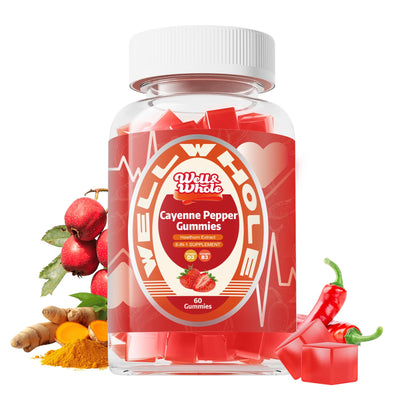
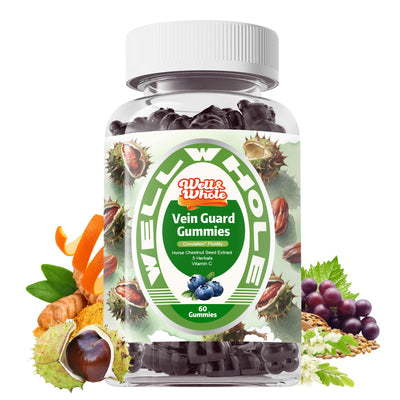
Where to begin? Our well&whole Horse Chestnut Extract Gummies, Circulation Supplements for Legs and Cayenne Pepper Heart Health Gummies with Hawthorn & CoQ10 & Turmeric are a sensible place to start, and the Heart Health collection lays out the other formats side by side with CoQ10.
These statements have not been evaluated by the Food and Drug Administration. This product is not intended to diagnose, treat, cure, or prevent any disease.