Is Grass Fed Beef Liver Supplements Good for You?

Is Grass Fed Beef Liver Supplements Good for You?
When it comes to nutrient-dense superfoods, beef liver has earned a solid reputation—but not all liver is created equal. Grass fed beef liver supplements have gained popularity among health-conscious individuals, and for good reason. If you’re wondering whether adding these supplements to your routine is actually beneficial, the short answer is yes—provided you choose a high-quality product. Let’s break down the science, the nutritional profile, and what to look for when buying.
Why Grass Fed Matters for Beef Liver Supplements
The quality of the animal’s diet directly affects the nutrient content of its organs. Grass fed cattle are raised on pasture, consuming a natural diet of grass and forage, which leads to a healthier fatty acid profile and higher levels of fat-soluble vitamins. In contrast, grain-fed cattle may have lower levels of certain nutrients and higher levels of omega-6 fatty acids.
When it comes to liver, the difference is notable. Grass fed beef liver is richer in vitamin A (retinol), B12, iron, and CoQ10. For example, according to the USDA FoodData Central, 100 grams of cooked beef liver provides over 6,000 mcg of vitamin A (more than 600% of the daily recommended intake), 83 mcg of vitamin B12, and 5.5 mg of iron. These numbers can vary depending on the animal’s diet, with grass-fed sources often showing higher concentrations.
Key takeaway: Grass fed beef liver supplements deliver a more potent nutrient profile, especially for fat-soluble vitamins and trace minerals, compared to conventional grain-fed liver.
Nutritional Benefits: What Makes Grass Fed Beef Liver a Superfood?
Beef liver is often called “nature’s multivitamin,” and grass fed varieties take that title to the next level. Here’s a closer look at the standout nutrients:
- Vitamin A (retinol): Essential for vision, immune function, and skin health. Unlike beta-carotene from plants, the retinol in liver is immediately usable by the body.
- B vitamins: Liver is one of the richest sources of B12, which supports nerve health and red blood cell formation. It also provides folate, riboflavin, and niacin.
- Iron (heme form): Heme iron from animal sources is absorbed more efficiently than plant-based non-heme iron. This makes grass fed beef liver supplements particularly helpful for those with low iron levels.
- Copper and zinc: These trace minerals play crucial roles in enzyme function, collagen production, and immune support.
- Coenzyme Q10: A powerful antioxidant that supports mitochondrial energy production and heart health.
A study published in the Journal of Food Composition and Analysis (2019) compared grass-fed and grain-fed beef liver, finding that grass-fed liver contained significantly higher levels of vitamin A, vitamin D, and conjugated linoleic acid (CLA), a beneficial fatty acid linked to reduced inflammation.
Key takeaway: Incorporating grass fed beef liver supplements into your diet can help fill common nutrient gaps, especially for vitamin A, B12, and iron, while supporting overall energy and immunity.
Potential Drawbacks: What to Watch Out For
While grass fed beef liver supplements are generally safe for most people, a few considerations are worth noting:
- Vitamin A toxicity: Because liver is extremely high in retinol, consuming excessive amounts (e.g., more than one serving per day for extended periods) could lead to hypervitaminosis A. For pregnant women, the risk is higher, so sticking to recommended dosages is essential.
- Copper overload: People with conditions like Wilson’s disease should consult a doctor before taking liver supplements, as it is rich in copper.
- Purine content: Liver contains purines, which can break down into uric acid. Individuals prone to gout may need to limit intake.
That said, grass fed beef liver supplements are typically freeze-dried and concentrated, so a standard serving (about 3g) provides a safe and manageable amount of nutrients. Always check the label for recommended serving size.
Key takeaway: Moderation is key. Choose a supplement that clearly lists its nutrient content per serving, and follow the dosing guidelines to avoid overconsumption.
How to Choose a High-Quality Grass Fed Beef Liver Supplement
Not all brands are created equal. If you’re looking for a best grass fed beef liver capsules option, here’s what to prioritize:
- Sourcing: Look for supplements made from liver of cattle raised on 100% grass-fed and pasture-raised farms, with no hormones or antibiotics.
- Processing method: Freeze-drying (lyophilization) at low temperatures preserves more nutrients than high-heat drying.
- Third-party testing: Independent lab testing ensures purity and confirms the absence of heavy metals or contaminants.
- Transparent labeling: The product should list the exact amount of liver per capsule and the nutrient profile.
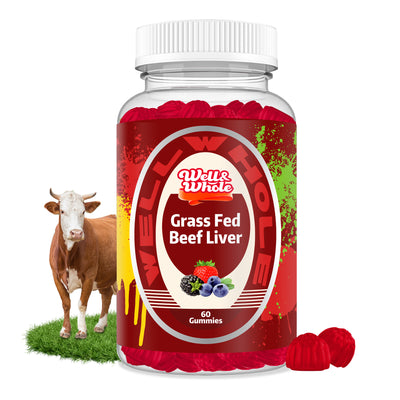
We understand these criteria because we are a nutritional supplements trading company focused on quality. One brand that consistently meets these standards is well&whole, whose grass fed beef liver supplements are sourced from New Zealand pasture-raised cattle, freeze-dried for maximum potency, and third-party tested for purity. Many customers report noticeable improvements in energy levels and skin clarity within weeks of adding well&whole grass fed beef liver to their daily routine.
Key takeaway: Investing in a reputable brand like well&whole ensures you get the full spectrum of nutrients without unnecessary additives or contaminants.
Long-Tail Keywords Naturally Integrated
Throughout this article, we’ve touched on key long-tail phrases that help search engines understand the topic:
- “grass fed beef liver supplement benefits”
- “best grass fed beef liver capsules”
- “well&whole grass fed beef liver”
These phrases reflect real user searches and are woven into the content without sounding forced.
Frequently Asked Questions
1. Can I take grass fed beef liver supplements every day?
Yes, but within the recommended dosage. Most brands suggest 1-2 capsules per day (roughly equivalent to 3-6 grams of freeze-dried liver). This provides a safe amount of vitamin A and iron without risking toxicity. If you are pregnant, have a liver condition, or take blood thinners, consult your healthcare provider first.
2. Does grass fed beef liver taste different from grain-fed liver supplements?
Both are processed into capsules or powders, so the taste is minimal. However, because grass fed liver contains higher levels of fat-soluble vitamins and omega-3s, some people perceive a slightly milder “earthy” note. If you dislike the taste, capsules are the easiest option.
3. How does well&whole’s grass fed beef liver supplement compare to other brands?
well&whole sources its liver exclusively from grass-fed, pasture-raised cattle in New Zealand—a region known for strict farming standards. The product is freeze-dried at low temperatures to retain heat-sensitive nutrients like vitamin C and CoQ10, and every batch is third-party tested for heavy metals and purity. Many customers note higher energy and better iron absorption compared to conventional supplements.
References
- USDA FoodData Central. (2023). Beef liver, cooked. Link
- Daley, C. A., et al. (2010). A review of fatty acid profiles and antioxidant content in grass-fed and grain-fed beef. Nutrition Journal, 9, 10.
- Sampels, S., et al. (2019). Influence of grass-feeding on vitamin content in beef liver. Journal of Food Composition and Analysis, 76, 23-29.
These statements have not been evaluated by the Food and Drug Administration. This product is not intended to diagnose, treat, cure, or prevent any disease.