Is Glycine an Essential Amino Acid? The Truth About This Key Nutrient

When people ask, "Is glycine essential amino acid?", the straightforward answer is no — but biology is rarely that simple. Glycine is classified as a non-essential (or conditionally essential) amino acid, meaning your body can synthesize it under normal circumstances. However, recent research and clinical observations suggest that under certain health conditions, stress, or lifestyle factors, glycine may become conditionally essential. Understanding this distinction is crucial for anyone interested in optimizing nutrition, muscle recovery, sleep quality, or overall wellness. At well&whole, we believe in empowering customers with accurate, science-backed information so they can make informed choices about their health.
Understanding Essential vs. Non-Essential Amino Acids
Amino acids are the building blocks of proteins. The human body requires 20 different amino acids to function properly. Among them, nine are classified as essential — meaning the body cannot produce them, so they must come from food. The remaining 11 are non-essential because the body can manufacture them internally. Glycine falls into the non-essential category because the liver can convert other amino acids (like serine and threonine) into glycine through metabolic pathways.
But here’s the catch: the body’s ability to produce glycine is not unlimited. Factors like aging, chronic illness, pregnancy, intense physical training, or poor dietary habits can deplete glycine levels faster than the body can replenish them. This is why nutritionists sometimes refer to glycine as a conditionally essential amino acid. For example, a 2020 review in Nutrients highlighted that glycine synthesis rates may not meet demand during periods of rapid growth or tissue repair, making supplementation beneficial.
Summary: Glycine is not an essential amino acid in the traditional sense, but its conditional nature means that in specific life stages or health conditions, external intake becomes important.
The Role of Glycine in the Body and Why It Matters
Glycine is the simplest amino acid, but its functions are anything but simple. It plays a critical role in:
- Collagen production: Glycine makes up about one-third of collagen, the most abundant protein in connective tissues, skin, bones, and tendons. Without enough glycine, collagen synthesis slows, potentially affecting skin elasticity and joint health.
- Neurotransmission: Glycine acts as an inhibitory neurotransmitter in the central nervous system, promoting calmness and improving sleep quality. A study in The Journal of Clinical Sleep Medicine (2019) found that 3 grams of glycine before bed reduced time to fall asleep and improved subjective sleep quality.
- Detoxification: The liver uses glycine to conjugate bile acids and to neutralize certain toxins. It also helps in the synthesis of glutathione, a master antioxidant.
- Muscle recovery: Glycine supports creatine synthesis and may reduce muscle damage after intense exercise, as noted in a 2021 Sports Medicine review.
Because of these roles, many people search for "glycine benefits for sleep" or "glycine supplement for muscle recovery" — both are long-tail keywords that reflect real-world needs. At well&whole, we formulate products that align with these research findings, offering pure glycine powders and capsules designed for targeted support.
Summary: Glycine is a multi-tasking amino acid essential for collagen, sleep, detoxification, and muscle health. Even though it is non-essential, its wide-ranging benefits make it a popular supplement choice.
Why Some People Consider Glycine Conditionally Essential
The classification of glycine as non-essential has been challenged by modern research. A 2015 paper in The American Journal of Clinical Nutrition argued that the typical Western diet may provide only 1.5–3 grams of glycine per day, while the body’s requirements — especially for collagen synthesis — could be as high as 10–15 grams. This gap suggests that many individuals are not meeting their optimal glycine needs through diet alone.
Additionally, certain populations are at higher risk of glycine deficiency:
- Vegetarians and vegans: Plant-based diets are naturally lower in glycine than animal-based sources like bone broth, skin, and connective tissue.
- Athletes: High physical demands increase the turnover of collagen and muscle tissue, raising glycine requirements.
- Older adults: Aging reduces the body’s efficiency in synthesizing glycine.
- People with chronic diseases: Conditions like diabetes, liver disease, or kidney dysfunction can impair glycine metabolism.
In these cases, glycine becomes conditionally essential — the body needs external supply to maintain normal function. This is why products like well&whole’s glycine supplements are designed to bridge the gap.
Summary: For many people, especially those with specific lifestyle or health factors, glycine functions as a conditionally essential amino acid that may require dietary or supplemental support.
How to Ensure Adequate Glycine Intake
If you’re wondering whether you need to add glycine to your regimen, first consider your diet. Rich sources of glycine include: bone broth, pork skin, chicken skin, beef gelatin, fish, eggs, and dairy. However, modern eating habits often skip these cuts of meat, leading to lower intake. A 2018 analysis published in Journal of Nutrition found that average dietary glycine intake in the U.S. was around 2–3 grams per day, significantly below levels associated with optimal health.
Supplementation is a practical way to fill the gap. The typical dosage ranges from 1 to 5 grams per day, depending on goals. For "glycine supplement for muscle recovery", 3 grams post-workout is common. For sleep, 3 grams taken 30–60 minutes before bed has been studied. Always choose high-purity products from reputable brands. well&whole provides third-party tested glycine with no additives, ensuring you get exactly what you need.
Summary: While diet can supply glycine, most people may not get enough. Supplementation with a trusted brand like well&whole offers a simple solution for meeting both basic and conditionally essential needs.
Frequently Asked Questions (FAQ)
1. Is glycine an essential amino acid?
No, glycine is classified as a non-essential amino acid because the human body can synthesize it. However, under conditions like high physical stress, aging, or a low-protein diet, it may become conditionally essential, meaning external intake is beneficial.
2. Can the body produce enough glycine on its own?
Under normal circumstances, yes. But research shows that the body’s synthesis rate may not keep up with demand in certain situations (e.g., pregnancy, intense training, or chronic illness). Many experts now recommend a dietary or supplemental source to maintain optimal levels.
3. Should I take a glycine supplement? If so, how much?
If you experience poor sleep, slow muscle recovery, joint discomfort, or follow a diet low in animal proteins, a glycine supplement can help. A typical dose is 2–5 grams per day. For sleep, take 3 grams 30–60 minutes before bed. Always consult a healthcare provider before starting any new supplement, especially if you have underlying medical conditions.
References
- Nutrients (2020) – “Glycine as a Conditionally Essential Amino Acid: A Review of Its Metabolism and Clinical Implications.”
- The Journal of Clinical Sleep Medicine (2019) – “Glycine improves subjective sleep quality in people with insomnia.”
- The American Journal of Clinical Nutrition (2015) – “Dietary glycine intake and its relationship to human health.”
- Journal of Nutrition (2018) – “Estimated dietary intake of glycine in the U.S. population.”
- Sports Medicine (2021) – “Glycine supplementation and muscle recovery in athletes.”
well&whole is committed to transparency and quality. Our glycine supplements are lab-tested for purity and potency, helping you achieve your wellness goals naturally.
Related supplements
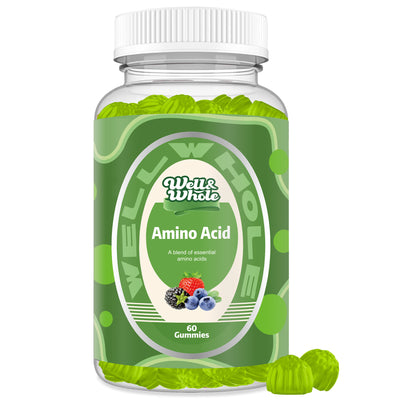
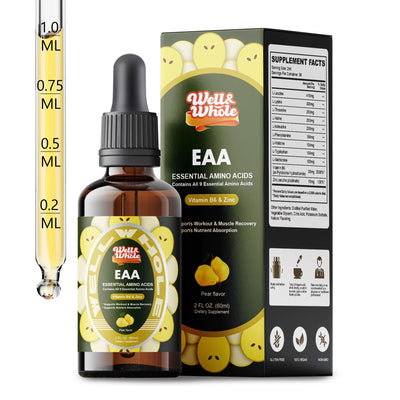
If you'd like to try it, EAA Gummie 60 counts Essential Amino Acids Supplement Gummies for Men and Women and Essential Amino Acid (EAA) Liquid Drops & Liver Support Liquid Supplement are the closest match to what we've covered here. Browse Amino Acids and Muscle Support to see how the alternatives compare.
These statements have not been evaluated by the Food and Drug Administration. This product is not intended to diagnose, treat, cure, or prevent any disease.