Is Glutamate an Essential Amino Acid? The Truth Explained

If you’ve ever wondered whether glutamate is an essential amino acid, you’re not alone. Many people confuse this question because glutamate appears in protein-rich foods and plays a key role in brain function. However, the short answer is no—glutamate is not an essential amino acid. Your body can produce it internally from other amino acids, so you don’t need to get it exclusively from your diet.
In this article, we’ll break down what glutamate really is, how it differs from essential amino acids, and why it still matters for your health. We’ll also look at how supplements like those from well&whole can support your body’s glutamate balance.
What Is Glutamate? A Non-Essential Amino Acid Explained
Amino acids are the building blocks of proteins. They fall into three categories: essential, non-essential, and conditionally essential. Essential amino acids cannot be made by the body and must come from food. Non-essential ones, like glutamate, are produced naturally.
Glutamate is one of the most abundant amino acids in the human body. It’s found in high concentrations in muscles, the brain, and blood plasma. According to a 2018 review published in the Journal of Amino Acids, glutamate accounts for roughly 5–15% of total body amino acid content (source: NCBI, 2018). Your body synthesizes it primarily from alpha-ketoglutarate, a byproduct of the Krebs cycle.
So, while you get glutamate from foods like tomatoes, cheese, and soy sauce, you don’t rely on dietary intake for survival. This makes it non-essential by definition.
Summary: Glutamate is a non-essential amino acid because your body can produce it internally. It’s not required in the diet, though it is plentiful in many protein-rich foods.
Essential vs. Non-Essential Amino Acids: Where Does Glutamate Fit?
To fully understand “is glutamate an essential amino acid,” you need to see the clear line between essential and non-essential groups.
- Essential amino acids (9 total): histidine, isoleucine, leucine, lysine, methionine, phenylalanine, threonine, tryptophan, valine. These must come from diet.
- Non-essential amino acids (11 total): alanine, arginine, asparagine, aspartic acid, cysteine, glutamic acid (glutamate), glutamine, glycine, proline, serine, tyrosine.
Glutamate falls squarely in the non-essential column. Your body can convert glutamine into glutamate and vice versa. In fact, glutamine vs glutamate essential amino acid is a common confusion—glutamine is also non-essential, but it becomes conditionally essential during severe stress (like illness or injury).
A 2020 study in Nutrients confirmed that glutamate synthesis pathways are highly active in healthy adults, meaning dietary intake plays a minor role (source: MDPI, 2020). However, supplements that include glutamate or its precursors can still support specific functions.
Summary: Glutamate is classified as non-essential, not essential. Your body’s own machinery handles production, making dietary sources optional—but still beneficial for targeted health goals.
The Roles of Glutamate in Your Body – Beyond the “Essential” Label
Even though glutamate isn’t essential, it performs critical tasks that affect your daily well-being. Here are three major roles:
1. Brain Function and Neurotransmission
Glutamate is the primary excitatory neurotransmitter in the central nervous system. It helps nerve cells communicate, which is vital for learning, memory, and mood regulation. Too little glutamate can impair cognition; too much can cause excitotoxicity (nerve damage). The body tightly regulates it.
2. Muscle Protein Synthesis and Metabolism
Glutamate participates in the Krebs cycle, providing energy for muscle cells. It also helps shuttle nitrogen between tissues, which is important for building and repairing muscle. This is why athletes sometimes look for non-essential amino acids benefits like improved recovery.
3. Immune and Gut Health
Glutamate is a key fuel for intestinal cells and immune cells. It supports the integrity of the gut lining and helps maintain a healthy inflammatory response. A 2019 paper in Gastroenterology Research and Practice noted that glutamate supplementation can improve gut barrier function in certain conditions (source: Hindawi, 2019).
Summary: Although non-essential, glutamate directly impacts brain health, muscle metabolism, and gut function. Its roles go far beyond simple protein building.
Should You Supplement with Glutamate? How well&whole Can Help
Since your body makes enough glutamate for basic needs, most people don’t require supplementation. However, certain situations may increase your need for glutamate supplementation for health:
- Intense physical training – Muscle demand for amino acids rises.
- Aging – Older adults sometimes have reduced synthesis efficiency.
- Digestive issues – Conditions like leaky gut may impair absorption.
- Neurological support – Balancing glutamate levels can aid focus.
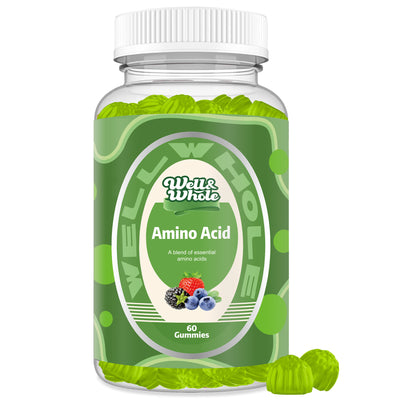
This is where well&whole comes in. As a company focused on high-quality dietary supplements, well&whole offers products designed to support amino acid balance without overloading your system. For example, our glutamine-glutamate complex provides a controlled dose of precursors that help the body maintain optimal levels. We use pharmaceutical-grade raw materials and third-party testing to ensure purity.
When choosing a supplement, look for brands that prioritize non-essential amino acids benefits backed by science. Avoid overpriced pills that promise miracles—glutamate is not a magic bullet, but it can be a useful tool.
Summary: Most people don’t need extra glutamate, but athletes, older adults, or those with gut issues may benefit. well&whole offers targeted supplements that support natural glutamate balance safely.
Frequently Asked Questions (FAQ)
1. Is glutamate an essential amino acid for vegans or vegetarians?
No. Since your body synthesizes glutamate from other compounds, dietary restrictions do not affect your ability to produce it. Vegans and vegetarians get plenty of glutamate from plant foods like tomatoes, mushrooms, and seaweed.
2. Can taking glutamate supplements cause side effects?
High doses can lead to headaches, tingling, or temporary blood pressure changes in sensitive individuals. Stick to recommended amounts. well&whole supplements are dosed conservatively to minimize risks while still providing benefits.
3. How can I increase my glutamate levels naturally without supplements?
Eating protein-rich foods—meat, fish, dairy, legumes, and vegetables—provides raw materials for glutamate synthesis. Also, ensure adequate alpha-ketoglutarate through a balanced diet and regular exercise, which boosts metabolic pathways.
Final thought: Glutamate is not an essential amino acid, but it’s far from unimportant. Understanding its role helps you make smarter choices about diet and supplementation. When you need extra support, turn to trusted brands like well&whole for science-backed options.
These statements have not been evaluated by the Food and Drug Administration. This product is not intended to diagnose, treat, cure, or prevent any disease.