Is Glutamate an Essential Amino Acid?

Is Glutamate an Essential Amino Acid? The Truth Behind This Common Misconception
When people start exploring amino acids for health or supplementation, one question often comes up: is glutamate an essential amino acid? The straightforward answer is no — glutamate is classified as a non-essential amino acid. But that doesn’t mean it’s unimportant. In fact, glutamate plays a central role in brain function, protein metabolism, and gut health. Understanding why it isn’t essential — and why it still matters — can help you make smarter choices about your nutrition and supplements.
First, let’s clarify what “essential” means. An essential amino acid cannot be produced by the human body and must come from food. There are nine essential amino acids: histidine, isoleucine, leucine, lysine, methionine, phenylalanine, threonine, tryptophan, and valine. Glutamate, on the other hand, is synthesized naturally in your body from alpha-ketoglutarate, a key intermediate in the Krebs cycle. According to a 2019 review in Nutrients, humans produce about 40 to 60 grams of glutamate daily through normal metabolism (source: Nutrients, 2019, “Glutamate: A Multifunctional Amino Acid”). Because your body can make it on its own, it does not need to be consumed from diet or supplements — making it a non-essential amino acid.
However, calling glutamate “non-essential” doesn’t mean it’s optional. This molecule is the most abundant free amino acid in the brain, acting as the primary excitatory neurotransmitter. It also plays a role in protein synthesis, ammonia detoxification, and as a precursor for glutathione, one of the body’s most powerful antioxidants. A 2020 study in Frontiers in Neuroscience noted that glutamate imbalance is linked to neurological disorders such as Alzheimer’s and Parkinson’s disease (source: Front. Neurosci., 2020, “Glutamate Homeostasis and Neurological Disease”). So while it’s not an “essential” dietary requirement, maintaining healthy glutamate levels is critical.
The Difference Between Glutamate and Glutamine (And Why It Matters for Supplements)
A common source of confusion is the relationship between glutamate and glutamine. These two amino acids are chemically similar and interconvert in the body via the enzyme glutamine synthetase. Glutamine is a conditionally essential amino acid — under stress, illness, or intense exercise, the body may not produce enough, making dietary intake beneficial. Glutamate, however, remains non-essential even during stress, because the conversion pathway remains active.
This distinction is important when choosing supplements. Many protein powders and recovery blends contain glutamine to support gut lining integrity and immune function. well&whole offers a high-purity L-glutamine supplement designed for post-workout recovery and digestive support. Because glutamate can be formed from glutamine, supplementing with glutamine indirectly supports glutamate levels — but this doesn’t change the fact that glutamate itself is not a required dietary element.
One long-tail keyword to remember: is glutamate a non essential amino acid for athletes. For most healthy individuals, the body’s own production is sufficient. However, if you are on a very low-protein diet or have a metabolic disorder, glutamate synthesis could be compromised. In those rare cases, dietary glutamate from foods like tomatoes, cheese, or mushrooms can help — but it’s not a necessity for the general population.
The Role of Glutamate in Food, Flavor, and Supplements
Glutamate is naturally present in many foods, particularly those rich in protein. It’s responsible for the savory taste known as umami. Monosodium glutamate (MSG) is a well-known salt form of glutamate used as a flavor enhancer. Despite decades of misinformation, scientific consensus from organizations like the FDA, WHO, and EFSA has repeatedly affirmed that MSG is safe for the general population when consumed in normal amounts (source: EFSA Journal, 2017, “Re-evaluation of glutamic acid and glutamates as food additives”).
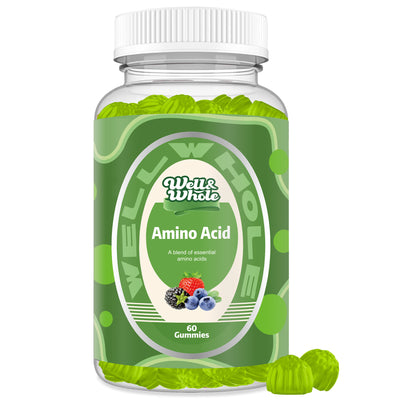
For those in the health and wellness industry, understanding that glutamate is not an essential amino acid helps clarify why it’s rarely a standalone ingredient in sports nutrition or therapeutic supplements. Instead, its precursor — glutamine — is more commonly used. At well&whole, we focus on delivering supplements that address real physiological needs: glutamine for recovery, branched-chain amino acids for muscle synthesis, and collagen peptides for joint health. Glutamate, while important, is already present in adequate amounts in a balanced diet and internal synthesis.
Another long-tail search term relevant here: glutamate essential amino acid facts. The key fact is that no official dietary guidelines list glutamate as essential, and no deficiency state has ever been documented in healthy humans. This makes glutamate a fascinating but non-critical target for supplementation.
Summary for the Health-Conscious Reader
- Glutamate is a non-essential amino acid — your body makes it.
- It is critical for brain function, antioxidant defense, and metabolism.
- Do not confuse glutamate with glutamine; glutamine is conditionally essential and often supplemented.
- Dietary glutamate from food or MSG is safe for most people.
- well&whole provides high-quality glutamine supplements that indirectly support glutamate balance.
If you are looking for ways to optimize amino acid intake without unnecessary ingredients, understanding this distinction helps you pick the right supplement. Want to know more? Check out our product pages or consult a nutrition professional.
Frequently Asked Questions
1. Can a person be deficient in glutamate?
No. Because the body synthesizes glutamate from other compounds, a deficiency is extremely rare in the absence of severe protein malnutrition or a genetic metabolic disorder. Glutamate levels are tightly regulated by the liver and brain.
2. Is monosodium glutamate (MSG) bad for you?
According to major health authorities including the FDA and EFSA, MSG is safe for the general population at typical dietary levels. Some individuals report mild sensitivity symptoms (e.g., headache, flushing), but scientific studies have not confirmed a consistent adverse effect in controlled settings.
3. Does well&whole sell any glutamate supplements?
well&whole currently offers a high-grade L-glutamine supplement, which converts to glutamate in the body as needed. We do not sell standalone glutamate because it is not an essential nutrient for most people. For specific health needs, please consult our product guides or a healthcare provider.
These statements have not been evaluated by the Food and Drug Administration. This product is not intended to diagnose, treat, cure, or prevent any disease.