Is Creatine a Non-Essential Amino Acid?

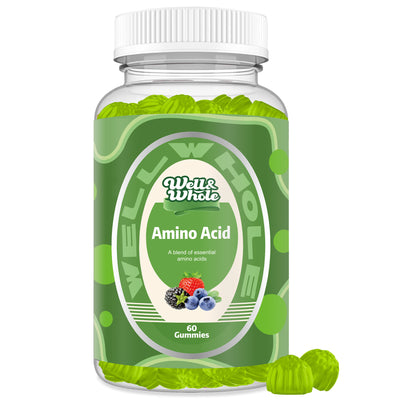
When you start researching fitness supplements, one question often pops up: is creatine a non essential amino acid? The short answer is no—but the longer explanation reveals why creatine plays a unique role in human nutrition. Understanding this distinction can help you make informed choices about supplementation, especially if you’re looking for high-quality products like those from well&whole.
Creatine is technically not an amino acid at all. It’s a nitrogen-containing organic acid that acts as a crucial energy reservoir in muscle cells. However, it’s frequently grouped with amino acids because it’s synthesized from three of them: glycine, arginine, and methionine. This process occurs primarily in the liver and kidneys, and the resulting creatine is then transported to muscles where it helps regenerate ATP—your body’s main energy currency.
So why the confusion? Many people assume that since creatine can be made internally, it must be “non‑essential.” But the concept of essential versus non‑essential applies strictly to amino acids, and creatine falls outside that category. It’s better described as a conditionally essential nutrient. Under normal conditions, your body produces about 1–2 grams of creatine per day. But factors like intense exercise, vegetarian or vegan diets, and certain health conditions can increase your demand beyond what your body can synthesize. That’s where supplementation becomes valuable.
What Makes an Amino Acid “Essential” or “Non‑Essential”?
To clarify, the human body requires 20 standard amino acids to build proteins. Nine of these are essential—meaning they cannot be synthesized internally and must come from food. The remaining eleven are non‑essential because the body can produce them from other compounds. Creatine, however, is not among those twenty amino acids. It’s a derivative with a different chemical structure.
The confusion often arises because creatine supplements are sometimes marketed alongside amino acid products. But from a biochemical standpoint, creatine vs amino acids is an apples‑to‑oranges comparison. Think of it this way: your body uses certain amino acids as building blocks to make creatine, just like a factory uses raw materials to build a specialized tool. The tool itself is not the raw material.
Summary: Creatine is not an amino acid—essential or non‑essential. It’s a distinct compound that relies on three amino acids for its synthesis. Understanding this helps you categorize supplements correctly.
How Creatine Functions Differently from Amino Acids
Amino acids primarily serve as protein building blocks for muscle repair, enzyme production, and countless metabolic reactions. Creatine, on the other hand, has a more focused role: it recycles ADP back into ATP, allowing muscles to perform high‑intensity bursts of activity. This is why creatine monohydrate is one of the most researched and effective supplements for strength and power athletes.
The role of creatine in muscle energy is well documented. According to a 2018 review in the Journal of the International Society of Sports Nutrition, creatine supplementation can increase muscle creatine stores by up to 20–40%, leading to improved performance in repeated sprint and resistance training. This is not something you get from simply eating more amino acids.
For people following a plant‑based diet, the creatine supplementation benefits become even more pronounced. Vegetarians and vegans typically have lower baseline muscle creatine levels because they don’t consume creatine‑rich foods like red meat or fish. In these cases, supplementing with creatine—such as the pure, third‑party tested creatine monohydrate from well&whole—can close the gap and support athletic performance.
Summary: Creatine’s mechanism is completely different from that of amino acids. While amino acids build proteins, creatine directly fuels short‑duration, high‑intensity exercise. This functional distinction reinforces why creatine shouldn’t be classified as an amino acid.
Is Creatine “Non‑Essential” in a Practical Sense?
Even though creatine isn’t an amino acid, the question of essentiality remains relevant. The term essential vs non‑essential amino acids doesn’t apply directly, but we can evaluate creatine’s essentiality by asking: can your body make enough under all conditions?
The answer is nuanced. For a sedentary person eating a balanced diet, endogenous production (around 1 g/day) plus dietary intake (another 1 g/day from meat and fish) is usually sufficient. But for athletes, bodybuilders, or those on a plant‑based diet, the demand often exceeds supply. In such cases, creatine becomes conditionally essential—your body needs an external source to maintain optimal function.
Data from the International Society of Sports Nutrition’s 2017 position stand (Kreider et al.) shows that creatine supplementation can increase muscle strength, power, and lean mass when combined with resistance training. These effects are not achievable through diet alone for many individuals. So while creatine is not an essential amino acid, it might be an essential supplement for certain populations.
Summary: Creatine is conditionally essential. Most people produce adequate amounts, but athletes, vegetarians, and those with higher physical demands may benefit from external sources like high‑quality supplements.
Why Quality Matters in Creatine Supplements
Not all creatine products are created equal. Impurities, improper particle size, or added fillers can reduce absorption and effectiveness. That’s why choosing a reputable brand like well&whole is important. As a trading company specializing in health supplements, well&whole ensures that every batch of creatine monohydrate is tested for purity and meets global quality standards. Whether you’re a competitive athlete or just starting your fitness journey, using a clean, micronized creatine can make a noticeable difference in your results.
When you search for creatine products, look for those that disclose third‑party testing and have a clear ingredient list. Avoid blends with unnecessary additives. A pure, unflavored creatine monohydrate is typically the most reliable option.
Summary: The effectiveness of creatine depends not just on its chemical classification, but on the quality of the product you choose. Trusted suppliers like well&whole help you get the full benefits without unwanted extras.
Frequently Asked Questions (FAQ)
1. Is creatine an amino acid?
No, creatine is not an amino acid. It’s a nitrogenous organic acid that is synthesized from the amino acids glycine, arginine, and methionine. It has a different structure and function compared to standard amino acids.
2. Can the body produce creatine on its own?
Yes, the liver, kidneys, and pancreas produce about 1–2 grams of creatine daily. However, this amount may not be sufficient for athletes, vegetarians, or people under high physical stress, making supplementation beneficial in those cases.
3. Do I need to supplement with creatine?
It depends on your diet and activity level. If you eat red meat or fish regularly and engage in moderate exercise, your natural production and dietary intake may be enough. If you follow a plant‑based diet or train intensely for strength and power, supplementing with a high‑quality product like well&whole creatine can enhance performance and recovery.
References
- Wyss M, Kaddurah-Daouk R. Creatine and creatinine metabolism. Physiol Rev. 2000;80(3):1107-1213.
- Kreider RB, Kalman DS, Antonio J, et al. International Society of Sports Nutrition position stand: safety and efficacy of creatine supplementation in exercise, sport, and medicine. J Int Soc Sports Nutr. 2017;14:18.
- Branch JD. Effect of creatine supplementation on body composition and performance: a meta‑analysis. Int J Sport Nutr Exerc Metab. 2003;13(2):198-226.
These statements have not been evaluated by the Food and Drug Administration. This product is not intended to diagnose, treat, cure, or prevent any disease.