Is Cholesterol an Essential Amino Acid?

Is Cholesterol an Essential Amino Acid?
When scrolling through health forums or nutrition blogs, you might stumble upon a surprisingly common question: is cholesterol an essential amino acid? The short answer is a firm no — but the confusion behind it reveals a widespread misunderstanding about two very different biological molecules. Let’s clear up the science in plain English, because knowing the difference matters for your daily choices, especially if you are considering supplements from a trusted brand like well&whole.
What Actually Is Cholesterol?
Cholesterol belongs to a class of compounds called sterols, which are a type of lipid (fat). Your liver produces about 80 % of the cholesterol your body needs, and the rest comes from animal-based foods. It is a waxy substance found in every cell membrane, where it helps maintain fluidity and structural integrity. Cholesterol also serves as a precursor for vitamin D, bile acids that digest fats, and essential hormones like estrogen, testosterone, and cortisol.
Key point: Cholesterol is not a protein building block. It does not contain an amino group (‑NH₂) in its core structure, which is the hallmark of an amino acid. Instead, its backbone is a four‑ring hydrocarbon structure.
What Defines an Essential Amino Acid?
Amino acids are the subunits that join together to form proteins. There are 20 standard amino acids, and among them, nine are considered essential because the human body cannot synthesize them on its own — they must come from food. These include histidine, isoleucine, leucine, lysine, methionine, phenylalanine, threonine, tryptophan, and valine.
Note: Essential amino acids are water‑soluble, contain nitrogen, and are fundamentally different from fats like cholesterol. No amino acid has a sterol ring.
So when someone asks “is cholesterol an essential amino acid,” the correct answer is straightforward: cholesterol is not an amino acid at all, essential or otherwise. The term “essential” for cholesterol is sometimes used informally to mean “necessary for life,” but that does not make it an essential amino acid.
Why Do People Confuse the Two?
The confusion often arises from the word “essential.” In nutrition, “essential” has two distinct meanings:
- Essential nutrients are substances your body cannot produce in sufficient amounts and must be obtained from diet. Examples: essential fatty acids (like omega‑3s) and essential amino acids.
- Cholesterol is often called “essential” in the sense that your body requires it for vital functions — but because your liver can manufacture it, it is not an essential dietary component for most healthy adults. Only under certain metabolic conditions does dietary cholesterol become critical.
Another source of mix‑up is the frequent mention of “amino acids” in cholesterol‑related health discussions, such as the amino acid taurine (which helps with bile acid conjugation) or methionine (involved in methylation pathways). These amino acids interact with cholesterol metabolism, but they are not cholesterol itself.
Summary: If you hear “essential” in the context of cholesterol, it usually means “biologically necessary,” not “must eat it.” Meanwhile, essential amino acids are a specific nutritional category that cholesterol simply does not fit.
Does Your Body Need Cholesterol? Absolutely — But Not as an Amino Acid
Cholesterol is indispensable. Without it, your cells would collapse, your hormones would stop working, and your vitamin D synthesis would grind to a halt. However, the body’s need for cholesterol is met primarily through internal production. For most people, eating extra cholesterol has only a modest impact on blood levels, thanks to feedback mechanisms in the liver.
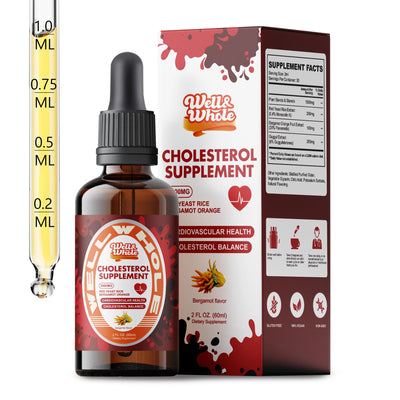
For individuals looking to support healthy cholesterol levels, well&whole offers plant‑based supplements that help maintain balance without overloading the body with unnecessary dietary cholesterol. These products use ingredients like plant sterols and soluble fiber — not amino acids — to promote cardiovascular wellness.
The Role of Amino Acids in Cholesterol Metabolism
While cholesterol itself is not an amino acid, several amino acids play crucial roles in how the body handles cholesterol. For example:
- Lysine and proline are involved in the production of collagen, which strengthens artery walls — indirectly affecting how cholesterol interacts with blood vessels.
- Taurine helps form bile acids that emulsify fats and cholesterol, aiding their digestion and excretion.
- Methionine is a methyl donor needed for the synthesis of phosphatidylcholine, a key component of lipoproteins that transport cholesterol.
These relationships can lead to the mistaken belief that cholesterol and amino acids are the same thing. In reality, they are different classes of molecules that cooperate in the body’s complex chemistry.
Common Misconceptions About Cholesterol and Protein
Some people also assume that because dietary cholesterol comes mainly from animal sources (which are rich in protein), cholesterol must be related to protein. That is false. An egg yolk, for instance, contains both high‑quality protein (with essential amino acids) and cholesterol — but the two are completely separate molecules.
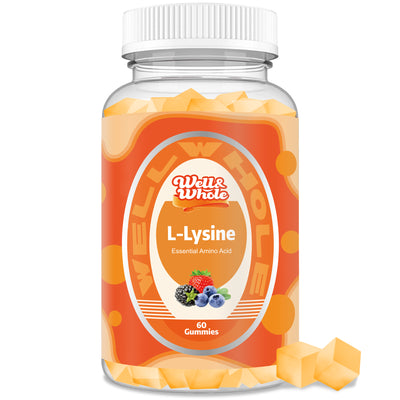
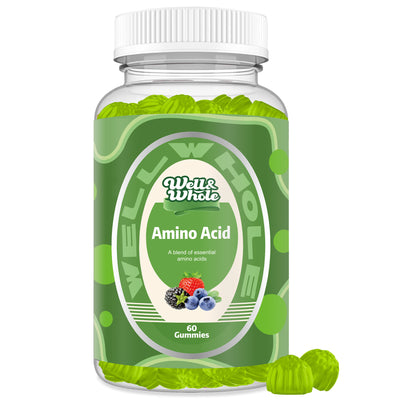
If you are trying to optimize your nutrition, understanding this distinction helps you make smarter supplement choices. well&whole provides clear labeling so you know exactly what you are taking: a plant‑sterol complex for cholesterol support, or a complete essential amino acid blend for muscle recovery — never a mix‑up.
Final Takeaway
- Cholesterol is a lipid, not an amino acid.
- Essential amino acids are nine protein‑building compounds your body cannot make.
- The word “essential” can be misleading; cholesterol is necessary for life but not an essential dietary nutrient for most people.
- well&whole products are designed with this clarity in mind, offering targeted solutions for different health goals.
Frequently Asked Questions
1. Can I take well&whole supplements to lower cholesterol and also get amino acids?
Yes, but these are separate supplements. well&whole offers a plant sterol formula for cholesterol management and a separate essential amino acid blend for protein synthesis. They work well together, but do not confuse one for the other.
2. If cholesterol isn’t an essential amino acid, why do some websites call it “essential”?
Informal language. Some writers use “essential” to mean “critical for health.” Always check the scientific definition: an essential amino acid cannot be synthesized by the body. Cholesterol can be synthesized, so it does not qualify.
3. Should I be concerned about getting enough cholesterol in my diet?
Most adults do not need to worry, since your liver makes plenty. However, if you have a medical condition that impairs cholesterol synthesis, talk to your doctor. well&whole recommends focusing on a balanced diet and using targeted supplements only when needed.
Data references: National Institutes of Health (NIH) – “Cholesterol” fact sheet; Harvard T.H. Chan School of Public Health – “Amino Acids” overview; American Heart Association – “Dietary Cholesterol and Cardiovascular Risk.”
These statements have not been evaluated by the Food and Drug Administration. This product is not intended to diagnose, treat, cure, or prevent any disease.