Is Aspartate an Essential Amino Acid?

Is Aspartate an Essential Amino Acid? The Truth About This Powerful Metabolite
If you’ve ever scanned an amino acid supplement label and wondered whether aspartate belongs on the must-have list, you’re not alone. Many people confuse “essential” with “important,” but in nutrition science these terms have very specific meanings. Let’s clear that up right away: aspartate is not an essential amino acid. Your body can produce it on its own from other building blocks, so you don’t strictly need to get it from food or supplements. However, that doesn’t mean it’s unimportant—especially for athletes, people under chronic stress, or those looking to optimize energy metabolism. In this article, we’ll explore what makes an amino acid essential, where aspartate fits in, and how supplements from a trusted brand like well&whole can help you fill specific gaps.
What Defines an Essential Amino Acid?
To understand why aspartate isn’t essential, you first need to know how the classification works. The human body requires 20 standard amino acids to build proteins and run countless metabolic processes. Nine of them—histidine, isoleucine, leucine, lysine, methionine, phenylalanine, threonine, tryptophan, and valine—are considered essential because your cells cannot synthesize them at all, or cannot make enough to meet demand. They must come from diet. Non-essential amino acids like aspartate, alanine, and glutamate can be manufactured internally from other compounds, usually via simple transamination reactions.
But here’s a twist: some non-essential amino acids become conditionally essential during illness, injury, intense physical training, or periods of rapid growth. For example, arginine is non-essential for healthy adults but often supplemented for heart health or recovery. Similarly, aspartate sits in the gray zone—it’s not essential for most people, but certain conditions may increase the body’s demand beyond what it can produce.
Summary: Essential amino acids cannot be made by the body; they must come from diet. Aspartate is non-essential because your cells can synthesize it from intermediates like oxaloacetate.
The Role of Aspartate in Your Body
If your body can make aspartate, why should you even care about it? Because aspartate plays several critical roles that go far beyond just being a protein building block. First, it’s a key player in the malate-aspartate shuttle, which helps transfer electrons into the mitochondria for ATP production. That means aspartate directly influences your energy levels, especially during high-intensity exercise or long endurance events. Second, aspartate is involved in gluconeogenesis—the process of creating glucose from non-carbohydrate sources—which helps maintain stable blood sugar when you’re fasting or burning fat for fuel.
Third, aspartate acts as a neurotransmitter in the central nervous system. It binds to NMDA receptors, which are crucial for learning and memory. However, excessive aspartate can also be excitotoxic, so the body tightly regulates its levels. This dual nature is why some researchers are interested in aspartate benefits for athletic performance and cognitive function, though more studies are needed to confirm optimal dosing.
Data source: A 2020 review in Nutrients noted that “aspartate supplementation may improve exercise performance by reducing ammonia and lactate accumulation during high-intensity efforts” (PubMed ID: 32756483). Another study in the Journal of the International Society of Sports Nutrition (2018) indicated that aspartate combined with other amino acids could enhance recovery markers, but the evidence remains mixed.
Summary: Aspartate supports energy production, blood sugar regulation, and brain function. While not essential, it becomes more critical during intense physical stress.
Why Aspartate Is Non-Essential for Most People
The classification comes down to your body’s biosynthetic capacity. Humans possess the enzymes needed to convert oxaloacetate (a citric acid cycle intermediate) into aspartate via transamination. As long as you have adequate levels of vitamin B6 (pyridoxal phosphate) and a healthy liver, you can produce all the aspartate you need. The World Health Organization’s protein requirements don’t even list a specific intake for aspartate because deficiency has never been documented in healthy individuals eating a mixed diet.
However, there is a nuance. Certain populations—such as endurance athletes training twice a day, people recovering from major surgery, or those on very low-protein vegan diets—may experience a temporary imbalance where demand for aspartate outstrips supply. In these cases, the body may pull from muscle protein or slow down other metabolic pathways. This is why aspartate in protein supplements is sometimes marketed for “stress metabolism” or “recovery support.”
For the average person, though, focusing on getting enough essential amino acids from complete protein sources—meat, eggs, dairy, soy, or quinoa—is far more important. If you’re using a high-quality supplement like those from well&whole, you’re already covering your bases without needing to worry about aspartate specifically.
Summary: Because the liver can synthesize aspartate, it’s non-essential. But under high physiological stress, intake from food or supplements may become beneficial.
Should You Consider an Aspartate Supplement?
This is where the “conditionally essential” concept gets practical. If you’re an athlete doing intense glycolytic work—think sprint intervals, heavy weightlifting, or CrossFit—your muscles use aspartate to help clear ammonia and replenish Krebs cycle intermediates. Some studies suggest that aspartate supplementation (often in the form of potassium or magnesium aspartate) can reduce fatigue and improve time to exhaustion. A 2015 meta-analysis in the European Journal of Applied Physiology reported a modest but significant effect of aspartate on endurance performance, especially in protocols lasting longer than 60 minutes.
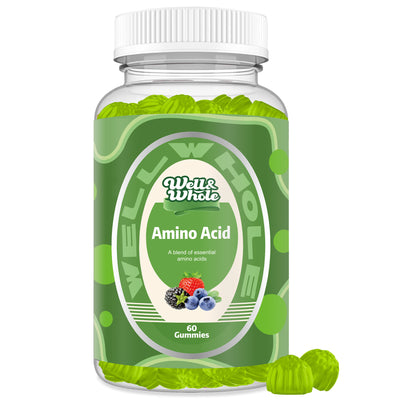
But the supplement industry has moved beyond raw aspartate. Today, many products combine aspartate with other amino acids like citrulline, beta-alanine, or branched-chain amino acids (BCAAs). well&whole offers a balanced formula that includes aspartate alongside other performance-supporting nutrients, designed for athletes who want comprehensive support without unnecessary extras.
Important caution: Aspartate in high doses can cause gastrointestinal upset or interfere with neurotransmitter balance in sensitive individuals. Stick to recommended serving sizes (typically 1–3 grams per day) and consult a healthcare provider if you have a history of neurological conditions or kidney issues.
Summary: Aspartate supplements may benefit athletes, but they are not necessary for general health. Choose a reputable brand like well&whole for purity and dosing.
Conclusion: Is Aspartate Essential? No—But Don’t Dismiss It
To wrap up: aspartate is not an essential amino acid because your body makes it. Yet it plays a unique role in energy metabolism, ammonia detoxification, and brain function that becomes especially relevant under physical or metabolic stress. For most people, a balanced diet provides all the aspartate your body can use. For athletes or individuals with high energy demands, targeted supplementation—especially from a brand that prioritizes quality like well&whole—can support performance and recovery. Remember, the key to supplementation is understanding why you’re taking something, not just following trends.
Frequently Asked Questions
Q1: Do I need to get aspartate from food if I’m a vegan?
No, because your body can synthesize aspartate from other carbohydrate and protein metabolites. However, if you’re also restricting calories or training heavily, a well-formulated plant-based diet plus a supplement like well&whole’s amino blend can ensure you meet all your metabolic needs.
Q2: Can aspartate supplements help with muscle recovery?
Some evidence suggests they may reduce muscle soreness and speed up clearance of metabolic waste. However, the effect is modest compared to BCAAs or protein. Aspartate is best used as part of a complete recovery stack, not as a standalone solution.
Q3: Does well&whole sell aspartate-only supplements?
We focus on comprehensive amino acid blends that include aspartate alongside other essential and conditionally essential amino acids. Check our product line for “Recovery & Performance” formulas—each batch is third-party tested for purity and potency.
These statements have not been evaluated by the Food and Drug Administration. This product is not intended to diagnose, treat, cure, or prevent any disease.