Is Asparagine an Essential Amino Acid?

Is Asparagine an Essential Amino Acid?
When it comes to amino acids, the question of essentiality often sparks confusion. Asparagine is one of those building blocks that people frequently ask about: is it something your body can make on its own, or do you need to get it from food or supplements? The short answer is no — asparagine is classified as a non‑essential (or conditionally essential) amino acid. But the full picture is more nuanced, and understanding it can help you make smarter choices about your nutrition and supplementation routine. Here’s what you need to know, and how well&whole can support your amino acid needs.
What Makes an Amino Acid “Essential” or “Non‑Essential”?
To answer the title question directly, we first need to define the terms. Essential amino acids are those that the human body cannot synthesize on its own, or cannot produce in sufficient quantities to meet physiological demands. They must be obtained through diet or supplementation. There are nine essential amino acids: histidine, isoleucine, leucine, lysine, methionine, phenylalanine, threonine, tryptophan, and valine.
Non‑essential amino acids, on the other hand, can be synthesized by the body from other compounds. Asparagine falls into this category. Your liver and other tissues can produce it from aspartic acid and glutamine via a straightforward enzymatic reaction. This is why standard biochemistry textbooks list asparagine as non‑essential.
However, there’s a gray area called “conditionally essential” amino acids. Under certain circumstances — such as severe stress, illness, rapid growth, or metabolic disorders — the body’s ability to produce a non‑essential amino acid may become insufficient. In those cases, dietary intake becomes important. Asparagine is generally not considered conditionally essential for healthy adults, but there are exceptions for individuals with specific genetic conditions or extreme metabolic demands.
Summary: Essential amino acids must come from food; non‑essential ones can be made by the body. Asparagine is non‑essential for most people, though certain health conditions may change that.
Where Does Asparagine Fit in Your Body’s Functions?
Asparagine plays several critical roles that make it worth paying attention to, even if it’s not essential. It’s heavily involved in protein synthesis as a fundamental building block. Many structural and functional proteins contain asparagine residues, which help stabilize protein folding through hydrogen bonding.
One of its most fascinating roles is in the nervous system. Asparagine is a precursor for the neurotransmitter aspartate, and it helps regulate the balance of other excitatory neurotransmitters. Research has also shown that asparagine is abundant in the brain and may support cognitive function. A 2019 study published in Frontiers in Molecular Neuroscience noted that alterations in asparagine metabolism are linked to certain neurological disorders, suggesting that adequate availability is important for brain health. This ties into the asparagine benefits for brain health — a long‑tail keyword worth keeping in mind.
Furthermore, asparagine is involved in ammonia detoxification. The liver uses it to help convert toxic ammonia into urea, which is then excreted. Without enough asparagine, the ammonia‑clearing cycle can become less efficient, especially during high‑protein diets or liver stress.
Summary: Asparagine supports protein structure, brain function, and waste removal. While not essential, it plays a supporting role that becomes more important under metabolic strain.
Can Your Body Make Enough Asparagine? When Might You Need More?
For a healthy adult on a balanced diet, the body produces ample asparagine. The biosynthesis pathway (using the enzyme asparagine synthetase) is robust. However, certain populations may have reduced synthesis capacity. For example, people with asparagine synthetase deficiency — a rare genetic disorder — cannot produce enough asparagine and must obtain it from external sources. This condition is extremely rare.
In more common scenarios, severe illness, prolonged fasting, or cancer cachexia can increase the body’s demand for asparagine beyond production capacity. Some chemotherapy protocols even target asparagine levels in cancer cells (e.g., using L‑asparaginase to deplete asparagine in acute lymphoblastic leukemia). In such cases, dietary asparagine becomes more critical.
Dietary sources of asparagine are plentiful. It’s found in animal proteins (meat, eggs, fish, dairy) and plant sources (asparagus, legumes, nuts, soy). The name “asparagus” actually derives from the amino acid because of its high concentration in that vegetable. For most people, a varied diet provides all the asparagine needed. That’s why you rarely see standalone asparagine supplementation marketed — unless a specific clinical need exists.
That said, complete amino acid profiles matter for overall protein quality. If your diet is low in certain non‑essential amino acids, the body may have to work harder to synthesize them, potentially diverting resources from other processes. This is where a well‑rounded supplement, like those offered by well&whole, can play a supportive role.
Summary: Healthy bodies produce enough asparagine, but illness, genetic issues, or poor diet may create a need for external sources. Food and balanced supplements can fill any gap.
How well&whole Can Help You Optimize Your Amino Acid Intake
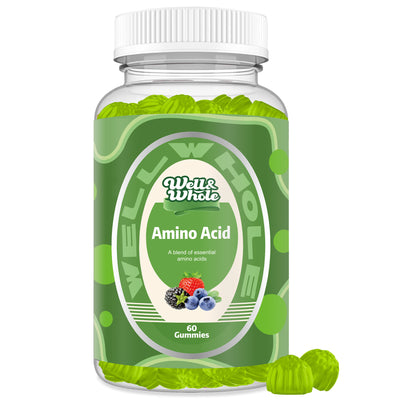
As a trading company focused on high‑quality dietary supplements, well&whole understands that even non‑essential amino acids contribute to overall wellness. While we don’t target asparagine as a standalone product (because it’s rarely needed), our comprehensive amino acid blends include asparagine naturally along with all essential and several non‑essential amino acids. These blends are designed for athletes, people recovering from illness, or anyone wanting to support muscle repair, cognitive function, and metabolic health.
Our sourcing follows strict quality controls, and we ensure that every batch meets purity standards. For customers interested in asparagine sources in diet and supplements, we provide ingredient transparency and guidance. Additionally, for those exploring the list of non‑essential amino acids, we offer educational resources and product consultations.
When you choose well&whole, you’re getting more than just a supplier — you’re gaining a partner in understanding your body’s unique needs. Whether you need essential amino acids or a complete profile that includes asparagine, we can tailor recommendations.
Summary: well&whole offers balanced amino acid supplements that cover both essential and non‑essential amino acids, including asparagine, to support overall health and fill nutritional gaps.
Frequently Asked Questions
Q1: Can I get enough asparagine from a plant‑based diet?
Yes. Asparagine is abundant in legumes, nuts, seeds, asparagus, and whole grains. A well‑planned vegan or vegetarian diet provides adequate amounts. However, if your diet is very restrictive, a complete amino acid supplement from well&whole can help ensure you’re covered.
Q2: Is asparagine supplementation safe?
For most people, asparagine from food or balanced supplements is safe. Isolated high‑dose asparagine supplements are not common, and there is no established upper limit. If you have a rare enzyme deficiency or are undergoing cancer treatment, consult your doctor before taking any amino acid supplement.
Q3: Does well&whole sell a specific asparagine product?
We currently offer comprehensive amino acid blends that include asparagine as part of a full profile, rather than as a single ingredient. This is because asparagine needs are typically met through diet or a complete formula. Contact our team for personalized product recommendations.
References:
- National Institutes of Health (NIH), “Amino Acids: Essential and Nonessential,” PubMed Health.
- Zhang, S. et al. (2019). “Asparagine Metabolism in the Brain and Neurological Disorders.” Frontiers in Molecular Neuroscience, 12, 179.
- Gutiérrez, A. et al. (2018). “Asparagine Synthetase Deficiency: A Rare Cause of Microcephaly and Seizures.” Journal of Inherited Metabolic Disease Reports, 41, 1–6.
These statements have not been evaluated by the Food and Drug Administration. This product is not intended to diagnose, treat, cure, or prevent any disease.